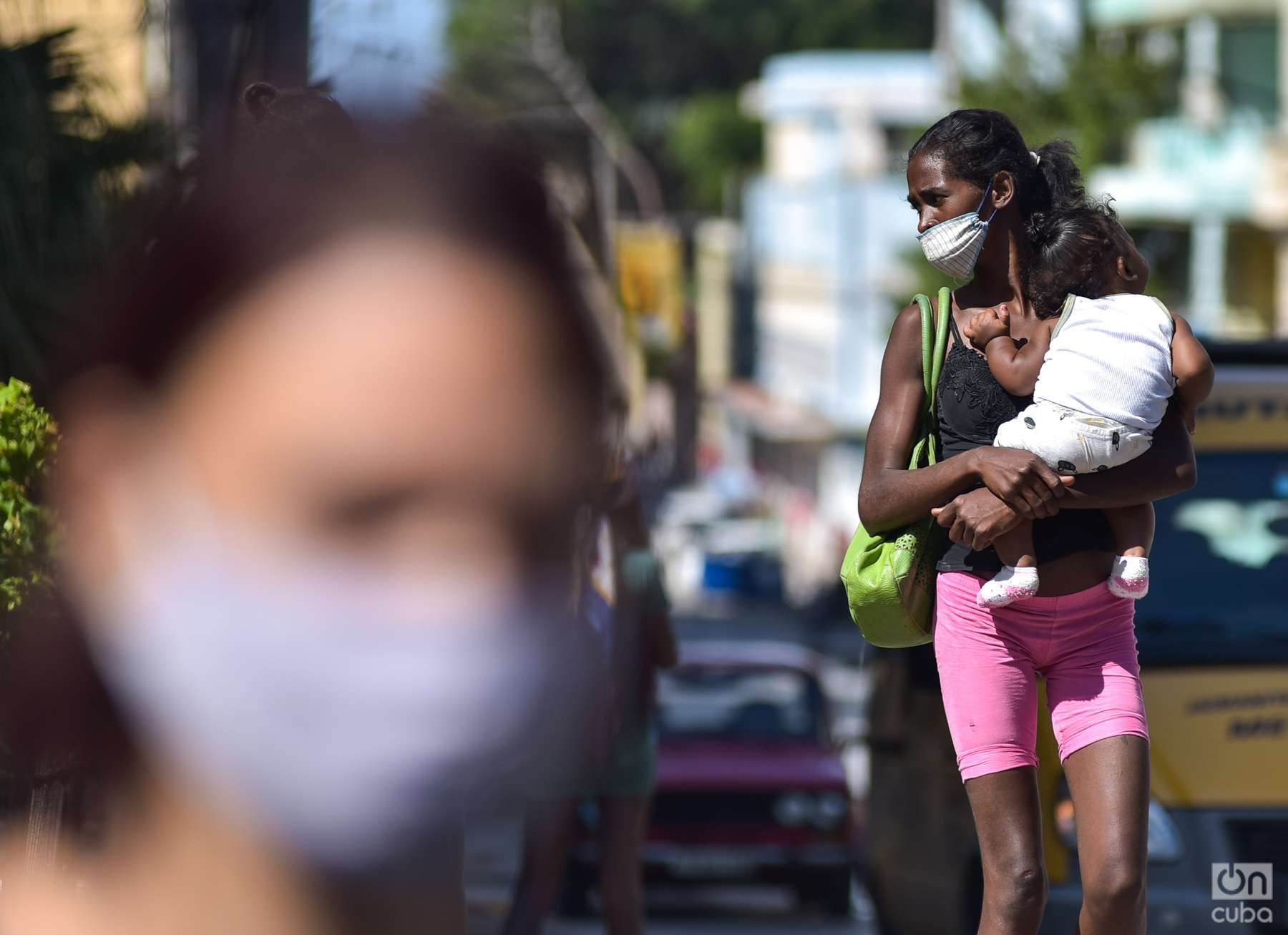
The idea of people does not refer only to a national conglomerate, such as the “Cuban people” or the “Icelandic people.” From a political point of view, the concept of people recognizes social differences and questions the forms of domination born from those differences, which segregate citizens from non-citizens, or first and second-class citizens.
For its part, civil society is not simply “society” or “the whole of the population.” Civil society is the associated group of citizens. However, citizenry, when it involves the material exercise of rights and the dispute of power, is always a scarce commodity.
Civil society does not recognize existing social inequalities as a starting point, since it operates as if a universal community of “equal” citizens already existed.
Its concept alludes to organized movements, intellectuals, the market, business, press systems, private or social actors. As an idea, it is not very sensitive to capture the asymmetries of the social actors in the production of political.
Having said this, I wonder, is the concept of civil society the most pertinent to explain the existing fields of conflict in Cuba? Such a context, from the class point of view, seems to exceed the explanatory capacity of civil society, to resort to the most radical notion of people.
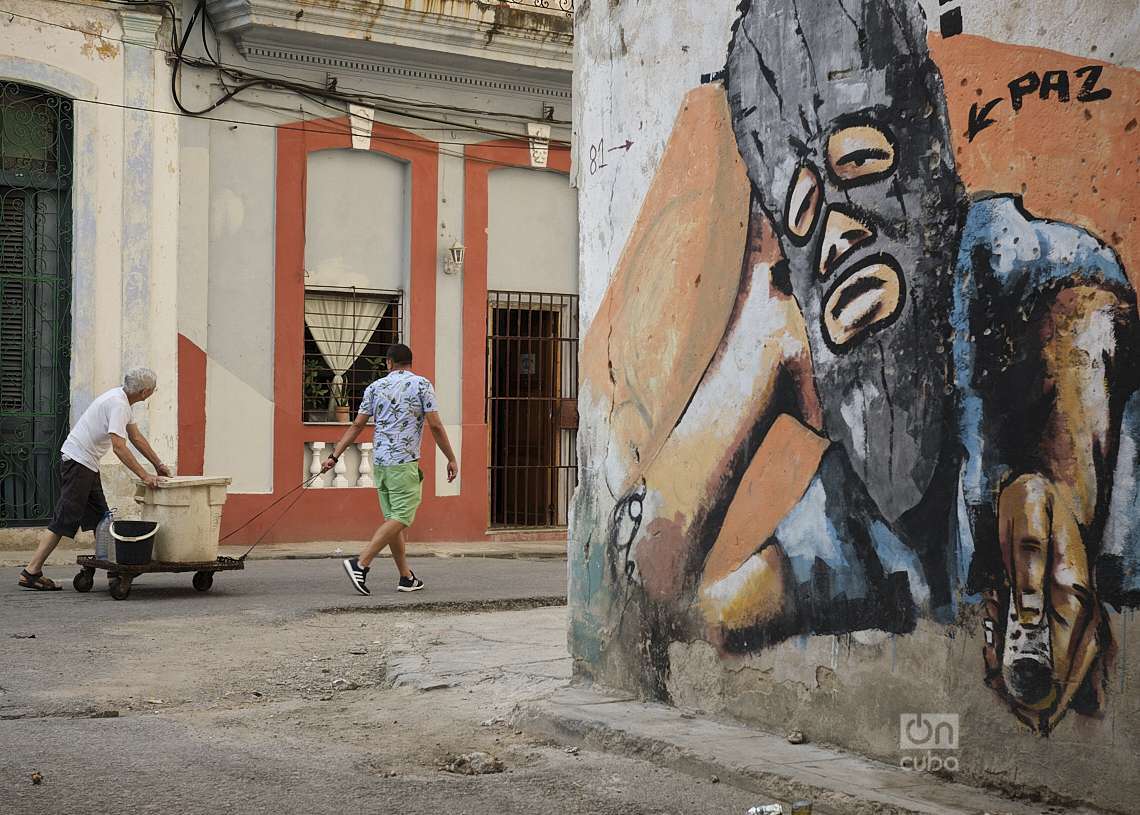
The social base of the people vs civil society
“The people united will never be defeated,” was chanted at a protest in the town of Nuevitas (2022), as also happened on July 11, 2021 (J11). The official denomination of “vandals” and “delinquents” for that day’s protesters, whose majority demanded citizenry based on the demand for self-determined representation and inclusion, also shows the content of citizenry as a scarce commodity.
The “people” is not a datum of the social structure but an act of institution, of political creation. Gramsci described the people, in the sense of “the plebeian,” as “the social bloc of the oppressed,” as opposed to the “historical bloc” in power. In this perspective, the only seat of political power is the political community: the people.
A fundamental area of the social base that is claimed as a people in Cuba is the “precariat,” “the central sociological aspect of post-Soviet Cuba,” as the sociologist Emilio Santiago has synthesized.
The social reproduction of the life of this precariat (both informal workers, as well as luchadores, as well as formal workers with insufficient income and an urgent need to “search”) suffers more acutely from the withdrawal of the State that has been experienced since the 1990s in the fields of provision of services and resources.
At the same time, it is a social area that does not have self-organization, nor institutionalized political representation nor a place in “civil society.”
Another reason could explain, if my reading is correct, the mutation in the uses of the concept of civil society in Cuba.
In the 1990s, when the term appeared in the country, it was used by a large part of critical discourses, based on a liberal format, as mere opposition to the State. This is why important Cuban State officials reacted with phrases, very famous at the time, such as: civil society is a “pig in a poke,” or it is a “Trojan horse of U.S. imperialism against the Cuban Revolution,” phrases that revealed the official predisposition to the emphasis that this concept placed on associativism.
However, more recent theoretical perspectives can explain along another line Cuban political behavior. For institutionalist approaches, in the manner of Fred Block and Peter Evans, the State and the market are not different ways of organizing economic activity, but mutually constituting spheres.
From this angle, an area of Cuban “self-employment” claims to contribute to that relationship, while demanding self-organization and recognition on equal terms by the State. It is a discourse of complementation, and not of opposition, between civil society and the State.
On the other hand, the current use of new political repertoires challenges the liberal notion of antagonism as an exclusive form of relationship between civil society and the State. An example of these repertoires are the new practices of legal activism, or legal mobilization, that register disputes over the legislative calendar approved after the 2019 Constitution, and in particular, disputes over the Constitutional Rights Protection Law, on Demonstration and Association Rights, and from before, on Cinema and on Social Communication. On this horizon are the growing complaints to state institutions of illegitimate police behavior.1
This critical activism supposes a recognition of the State that understands it as a field of dispute: it enables possible spaces for coordination/confrontation with the State that are very different from those allowed by that opposition between civil society and the State, so much of the 1990s and of its scenario of post-cold war capitalist hegemony.
In 2019, three topics were embraced by the presidential speech in the National Assembly of People’s Power (ANPP): racism, animal abuse and gender-based violence. “Transcendent issues due to their high sensitivity,” President Miguel Díaz-Canel said at the time. Such acknowledgment would not have been possible without the sustained performance of social militancies such as feminism, anti-racism, and promoters of animal welfare.
Everything changes, not just civil society
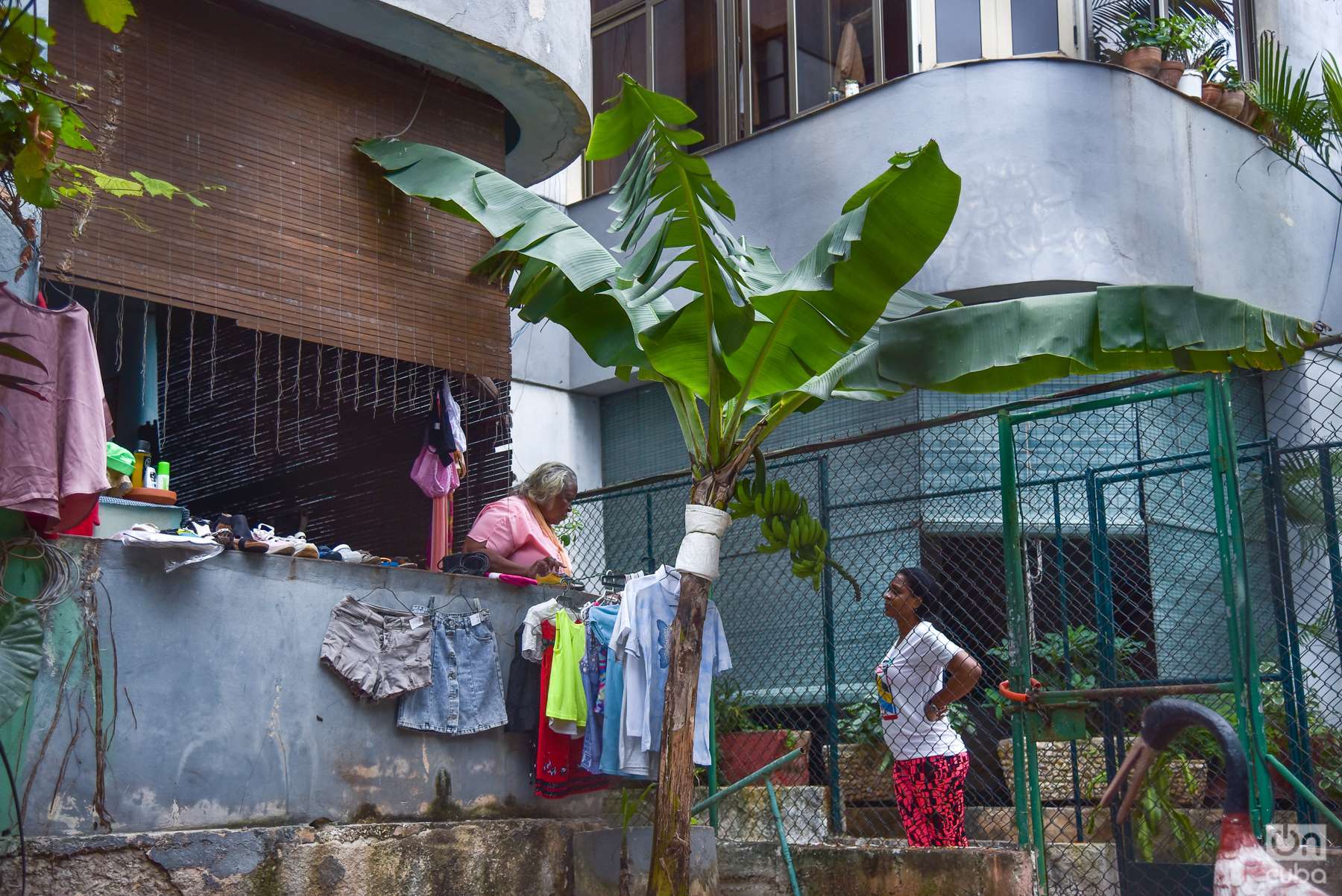
It is not only civil society that experiences and expresses changes. The government and the state discourse in Cuba have also changed.
In the days immediately following J11, Miguel Díaz-Canel issued the “combat order” — a call for the parastatal response to confront the street protests. However, subsequently, for a limited time, the government used more conciliatory language and called for solidarity, unity and peace.
As part of this path, a political language about the revolutionary was promoted, such as a revolutionary erotica of love — remember the slogan “Put your heart into it” — and a type of family and domestic ethics (the love between the president and his wife, continually underlined in social networks, as a metaphor of national love against anti-national hatred) that had very little to do with the languages produced up to that moment by the official power in Cuba, indicated new discursive paths, and did not recognize as other ideological directions supposed.
However, a year later that content changed in turn: the official discourse celebrated a victory against the attempted “vandalic coup.” In that rereading, there was no peaceful protest or any legitimacy in the protests.
This rereading operated in a scenario with social memory of the debate on the 2019 Constitution, which used the term “Republic” as never before since 1961 and which observed how the constitutional bill had suppressed the term “communism,” which in the end remained in the constitutional text.
In unison, on J11 Díaz-Canel had called the “revolutionaries, and specifically the “communists,” “to combat.” The Cuban State could thus be, as the essayist Iván de la Nuez has said, “a communist State obliged to govern, satisfy and represent a society that is also post-communist.”
The same State has been forced to promote liberal measures in socialism. In this, the role given to the market and private ownership in the current scheme is very different from what has ever been given in Cuba since the 1960s.
People and social movements
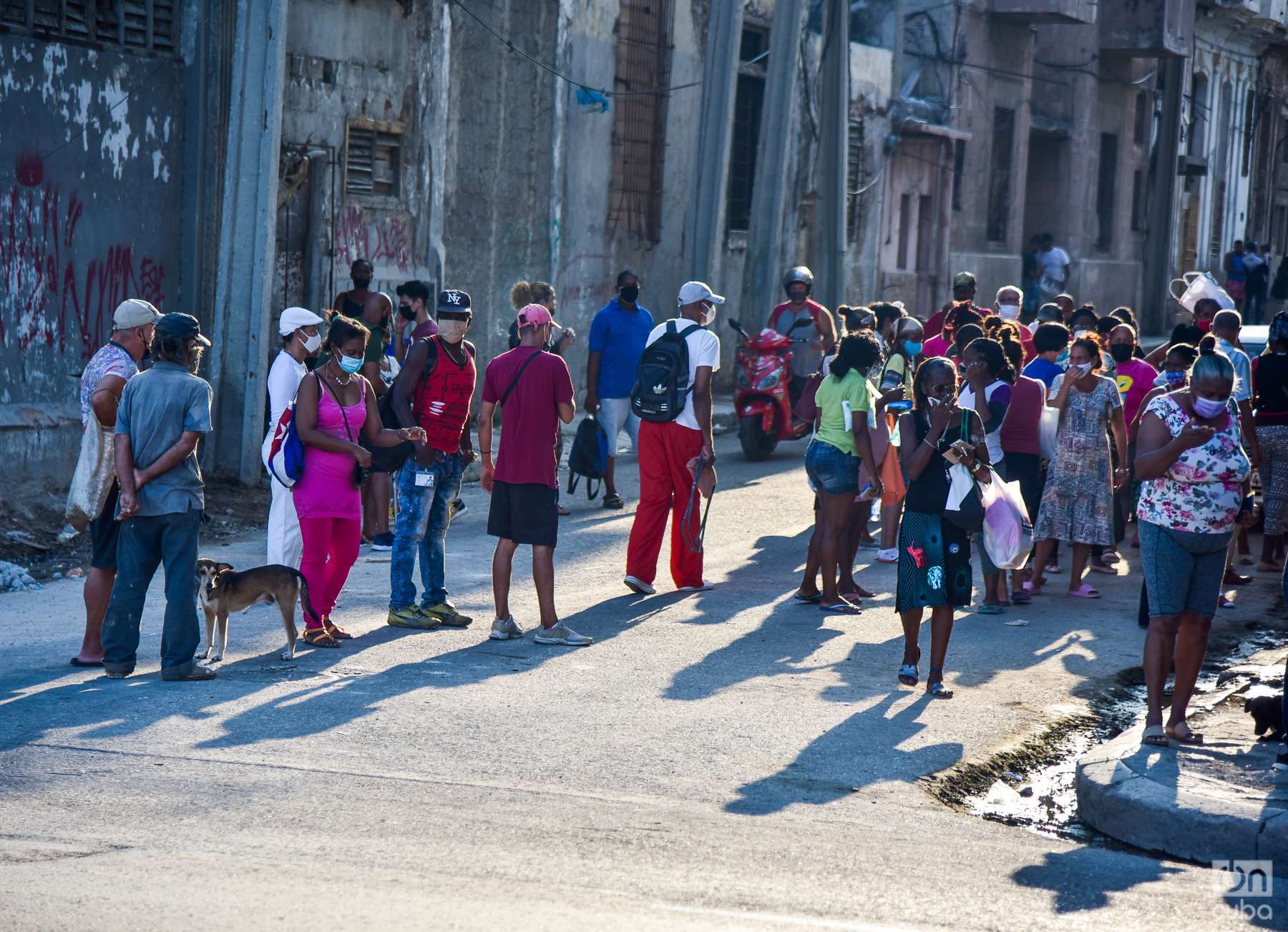
A political dynamic can be seen in Cuba that is perhaps connected, although with many differences of scale, with the global dynamics of social movements. In such movements, identity demands are not aligned only along the axis of left and right, but are transversal to different actors.
The Cuban government does not seem to know how to deal with it or how to process this complexity, declaring that everything is resolved between “revolutionaries vs. counterrevolutionaries.”
The State responds to such conflict with diverse repertoires: stigmatization and exclusion, tokenism (making small concessions to minority groups to avoid accusations of prejudice and discrimination), co-opting the topic and erasing authors (it makes the topic its own and does not recognize where it comes from or who promoted it), as it also includes problems pointed out by civil society and gives them greater state prominence, as has happened with the aforementioned issues of gender-based violence and racism, which have national attention programs, although their practical effectiveness and their execution times are quite questionable.
Part of the political opposition, in turn, also reduces social problems defended by civil society to the approach of “everything against the State.” A recent example is the debate on the Family Code (2022), and its rejection by opponents who consider that the “fundamental problem” is not recognizing the Cuban State, above the rights of communities such as LGTBQ+, a movement that was gaining specific spaces and resources with that Code.
In response to this framework, the sociologist Cecilia Bobes has suggested combining analytical schemes from the “classic” literature of social movements with reflections and concepts from some recent Latin American contributions, which attend both to the contentious relationship and to the negotiation processes with the state.
Bobes recalls that in a single-party system, without electoral competition, with very limited rights of association and demonstration, activists are motivated to interact non-contentiously with the State.
However, when this strategy is limited and produces more cooptation than influence, the intensity of the demands can also be neutralized. This seems to be one of the reasons, Bobes also observes, for the emergence of a more independent activism, for example, in the case of race, in which anti-racist positions distance themselves from anti-racist activism with ties to the state, and in feminist positions, which do something similar with respect to the official organizations that work in this field.2
In any case, betting on a new legitimacy, based on the quality of institutional performance, and on the depth of political inclusion that it generates, seems the best alternative in the current context.
A related issue is the question of whether the Cuban state knows, wants and can take that path. Another is how the future dynamics of events push the balance of the relationship between civil society and the State towards complementarity, or towards a disruptive antagonism.



________________________________________
Notes:
1 See, for example, the complaints of the historian Alina B. López Hernandez and the trans activist Mel Herrera.
2 For example, the collective of the Afrocubanas magazine and the Yo sí te creo project do it.