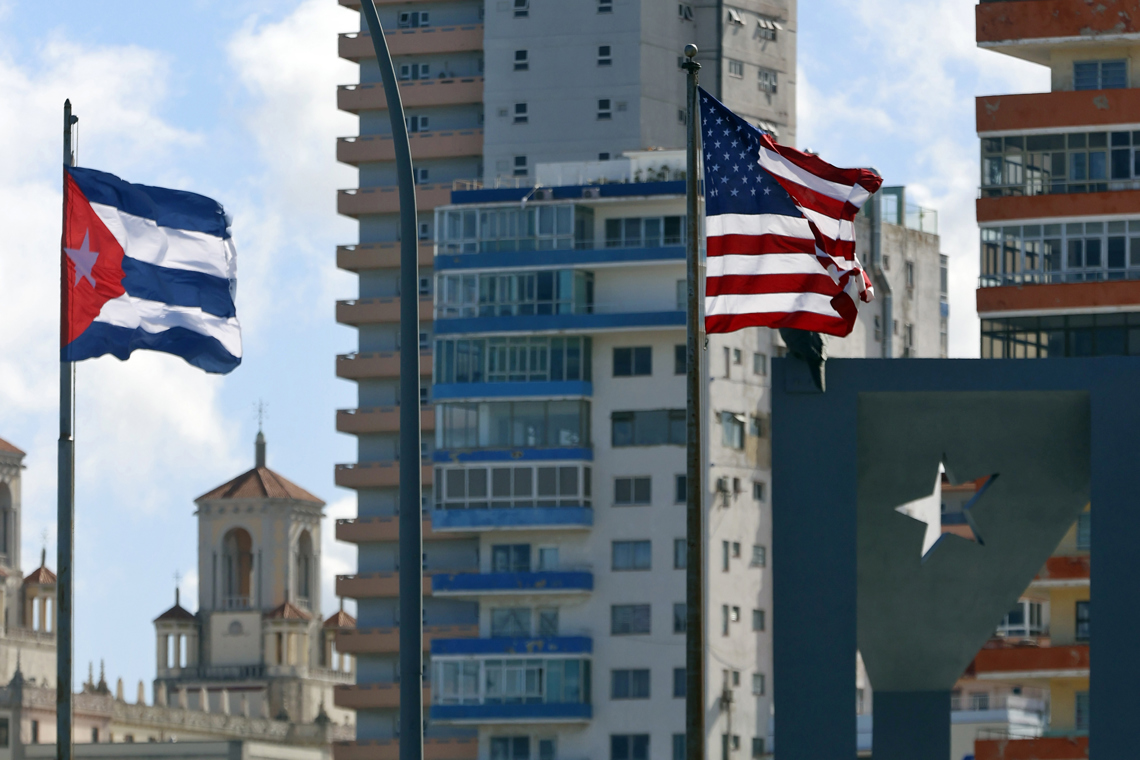
Examining in an unbiased way the geopolitical situation created by the U.S. intervention in Venezuela and its implications for Cuba requires starting by taking a step back.
First, let’s remember the saying that “there is no foreign policy like domestic policy.”
The distortion of what was happening here was the first challenge the Cuban leadership had to face. It was this distortion that led to the first visits of high-ranking leaders to the United States, Latin America, Africa and Asia, where a global foreign policy began to be forged, along with a plural and autonomous network of alliances with the emerging South and with various actors in the North. The implementation of the reform program, starting with agrarian reform, and the recovery of national sovereignty, social justice and development were the fundamental ingredients of the consensus and mobilization to advance that revolutionary domestic/foreign policy. It was these ingredients that allowed for the rapid creation of a national defense and security system in the face of a counterrevolution supported by the U.S., which produced a civil war throughout the country and an invasion. It was the perpetuation of this conflict by the U.S. and the continuation of its undeclared war that prevented the internal defeat of that counterrevolution in 1961-1963 from leading to reconciliation later on. And it was its geopolitical interests that prevailed, above Cuba, the Cuban people and their national interests, to continue fueling that exiled counterrevolution and repurposing it in its domestic political game.
Naturally, on this side, that state of war caused the U.S. factor to remain present in the domestic political landscape. Therefore, the degree of tension in our bilateral relations has acted as a conduit to the internal situation, almost always for the worse, as is natural.
Before discussing the extent to which our domestic/foreign policy can respond to the current challenges of the Venezuelan crisis and U.S. interventionism, I want to revisit some points that contradict the “narratives” related to the place of Cuba and Cubans in this complex geopolitical context.
This is not the first time that Cuban military and security advisors have collaborated with established governments in Latin America and the Caribbean. They did so with Salvador Allende in Chile (1970-73), with the Sandinista National Liberation Front in Nicaragua (1979-1990), and with Maurice Bishop in Grenada (1979-83). Of course, their specific weight was much lower than the civilian collaboration with those and other governments, as has also been the case in Venezuela.

Their role in security or advisory capacities in those countries and governments did not involve troops intended to participate in military operations. That role in the fields of health, education and sports, however, did involve thousands of doctors and health personnel, teachers, and sports and art instructors.
On the other hand, both in the case of the civilian workers in Grenada and the small group of military personnel who were carrying out personal security tasks in Venezuela, they found themselves caught up in a U.S. intervention that far exceeded their mission, numbers and available resources. The lesson of the 24 who fell in Grenada, as well as the 32 in Venezuela, is that they could have refrained from confronting a force so many times superior; and that their resistance was not only their commitment, or their fidelity to the cause, nor does it have anything to do with ideological fanaticism or a suicidal vocation; but rather it is part of a patriotic political culture, active wherever they were entrenched. There, too, they were defending the homeland.
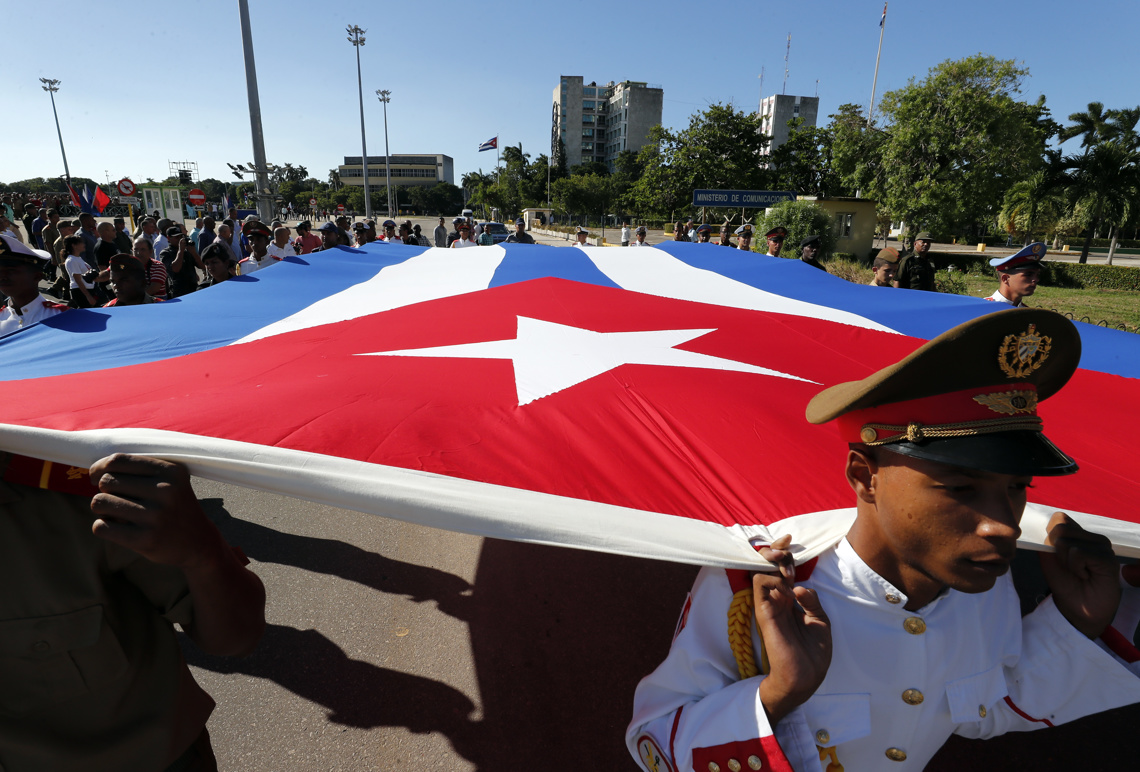
In case anyone considers this a mere slogan, I emphasize that this is a relevant piece of military intelligence for a scenario of aggression against Cuba. That was the harsh lesson learned by the CIA officers who planned the Bay of Pigs invasion, as well as by the JFK administration, who had been assured by the newly arrived Cuban exiles that the Cuban militia and army would not fight.
Of course, we are not in the years of the Cuban Missile Crisis, or the internationalist missions in Angola, or the economic alliance and military supply with the USSR, but in the post-Cold War world, where we are left “alone with imperialism,” as Kiva Maidanik put it.
When that geopolitical shift occurred, there was no dialogue with Cuba; instead, the U.S. passed the Torricelli Act, aimed at “tightening the U.S. embargo against Cuba and promoting democratic change on the island.” So the cars in Little Havana filled with bumper stickers proclaiming “Next Christmas in Havana,” and a bestseller titled Castro’s Final Hour (“this time for sure”) appeared as the guide to that collapse. Although no one would have taken notice at the time, among its readers was a young man studying political science at the University of Florida, named Marco Rubio. Almost 35 years have passed since then.
One of the lessons learned from Operation Absolute Resolve is that despite its meticulous planning and the use of disproportionate force (for the objective of kidnapping a head of state), a handful of Cuban soldiers were able to put up a fight for two hours. The official story about the operation’s impeccable efficiency would have been unsustainable if even one of the infiltrations into the Venezuelan defense system had failed, or if the Cubans had received reinforcements.
Another lesson, or rather an anti-lesson, is that drawing conclusions from the Venezuelan case for Cuba is risky, to say the least. Especially if one overlooks the significant differences between the two, in terms of history, economic, social and cultural systems, and political systems. And armed forces. Assuming that the U.S. doesn’t know this underestimates their level of information about real Cuba.
According to the CIA (Cuba Military 2024, CIA World Factbook), “the Revolutionary Armed Forces (FAR) are a central pillar of the Cuban regime and viewed as the guardian of the Cuban revolution; the FAR is largely focused on protecting territorial integrity and the state, and perceives the U.S. as its primary threat; the Army, once over 200,000 strong, but now estimated to have about 40,000 troops, is a conscript-based force armed with Soviet-era weapons.”
The CIA knows this and much more. According to Globalmilitary.net (Cuba Military Forces & Defense Capabilities), “the Cuban Army has approximately 50,000 active personnel and a robust reserve and paramilitary force exceeding one million, which facilitates rapid mobilization for the defense of national territory.”
In strategic terms, according to the same source, it maintains “a defensive doctrine that emphasizes territorial protection through a ‘people’s war’ strategy based on mass mobilization…and a military posture oriented towards deterrence within geopolitical limitations.” “These efforts position Cuba to maintain a credible defense within fiscal and technological constraints.”
“Cuba’s military modernization is characterized by a focused effort to upgrade Soviet-era equipment, especially air defense systems, through collaboration with Belarus and Russia. Although limited in scope due to economic and geopolitical factors, these initiatives enhance Cuba’s defensive capabilities.”
In short, according to platforms dedicated to military and security issues at the global level, Cuba maintains effective defense levels appropriate to its needs, limited to deterrence and defensive resilience purposes. The observation that this occurs “within geopolitical constraints” is not superfluous. None of these platforms — MilitarySphere.com, Globalmilitary.net, Armyrecognition.com, Globalfirepower — register anything resembling foreign military bases on the island. Despite speculation surrounding Chinese or Russian facilities, which some “serious media outlets” have echoed, neither Trump nor Rubio have resorted to this argument in their references to Cuba.
Another fundamental difference with respect to Venezuela in security matters is the cooperation relationship with the U.S., particularly in priority areas such as migration control and drug trafficking interception in the Caribbean and surrounding waters.
This cooperation has included various topics, on which progress was made not only with Democratic administrations but also with the Republican administration between 2017 and 2020. Between 2015 and 2024, eight bilateral working groups were established to jointly address terrorism, illicit trafficking of migrants and immigration fraud, money laundering and other financial crimes, mutual legal assistance in criminal matters, trade safety and protection of individuals, human trafficking, cybersecurity and cybercrime (“Antecedentes y valoraciones necesarias sobre la cooperación bilateral oficial entre Cuba y los Estados Unidos, en materia de Aplicación y Cumplimiento de la Ley” [Background and Necessary Assessments of Official Bilateral Cooperation between Cuba and the United States on Law Enforcement], December 17, 2025, paper presented at the Center for International Policy Research).
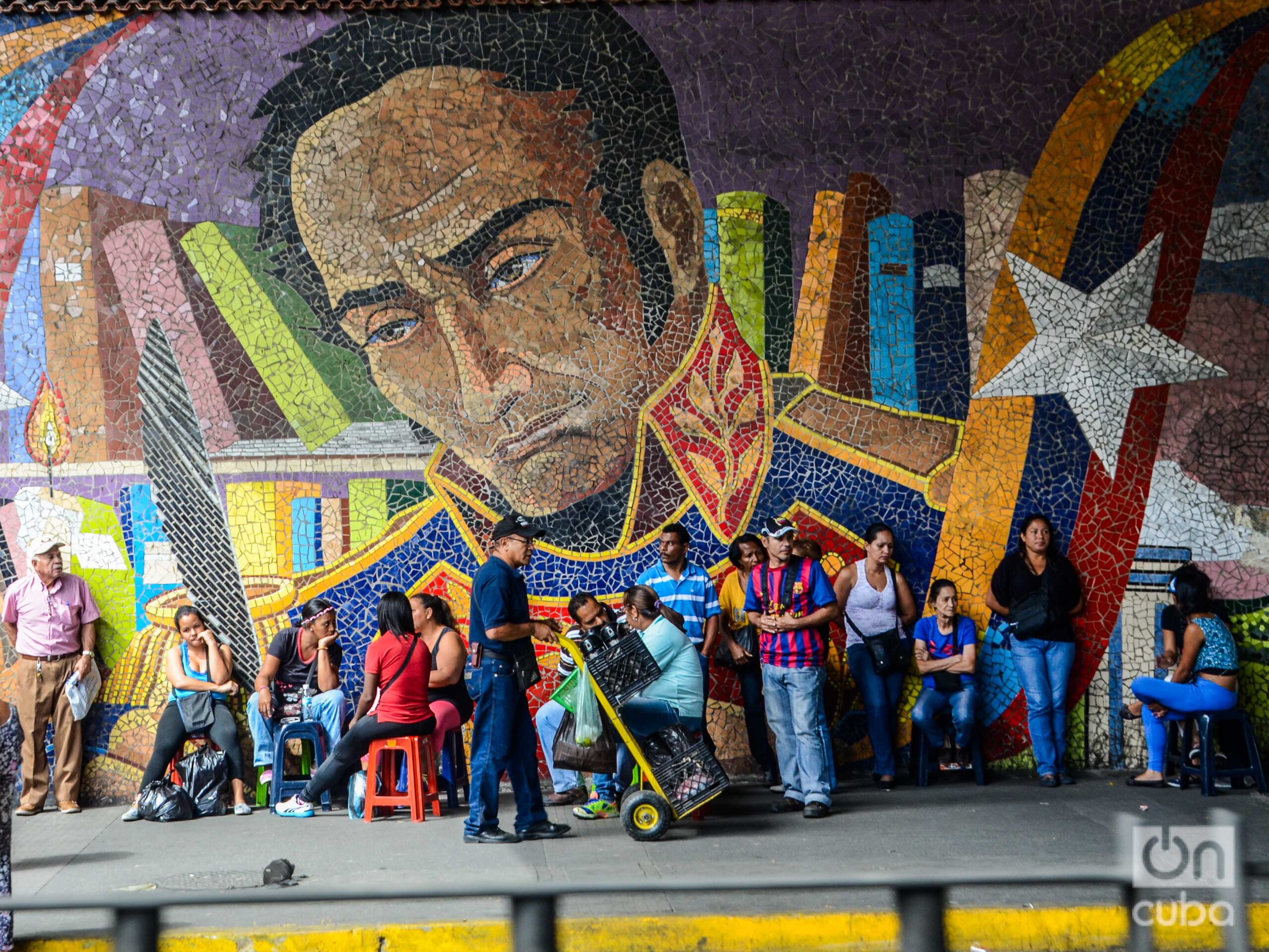
Building a case against Cuba’s leadership and Cuba, like the one the U.S. put together to prepare for aggression against Venezuela, contradicts all of this. Some readers will tell me that Trump is capable of concocting “a narrative” that ignores those interests and that cooperation, as he has done by paralyzing it throughout 2025. Certainly. But neither he, nor Rubio himself, have found any sense in extending the logic of military force against Venezuela to Cuba. Despite the sensationalist interpretations that his references to Cuba have aroused in some media outlets, the argument “Cuba will fall on its own” has prevailed; because what is left for the U.S. is to “destroy the place,” an option that would not achieve what is supposedly the objective: “to bring democracy and freedom to the Cuban people.” But merely to “punish the regime,” with few practical results in its political purposes. Because one thing is “the narrative,” and another is the actual implementation.
Here we arrive at another fundamental difference between Venezuela and Cuba that many overlook, and which we could define as the political economy of intervention.
What was the real objective of Operation Absolute Resolve?
The current phase of the intervention has made it even more evident that its goal was to secure that nearby oil and that its constituency is the oil corporations. To run Venezuela is the most stark and current manifestation of imperialism, as described by its scholars and theorists at the beginning of the 20th century.
According to that characterization, the U.S. does not need to occupy Venezuela, nor even establish military enclaves in its territory, or appropriate the oil fields and other even more strategic minerals. As Admiral Alfred T. Mahan would say in his classic texts on geopolitics, what the U.S. needs is to administer those territories as its new possessions. And if the current rulers were to submit to this new order, it would have achieved its objective at minimal cost.
Probably a corporate man like Trump, proud of his abilities to resolve conflicts by applying his peculiar version of realpolitik, would be willing to “balance the books” with a Cuban leadership that was willing to yield to his interests.
If we were to momentarily consider the hypothesis of extending the policies devised for Venezuela to Cuba, we would find some interesting results, and ones that are very contradictory to certain accepted notions about its intended purpose. Although we know that this is a very improbable scenario, it is worth examining, because of what it reveals about the consistency and nature of these policies.
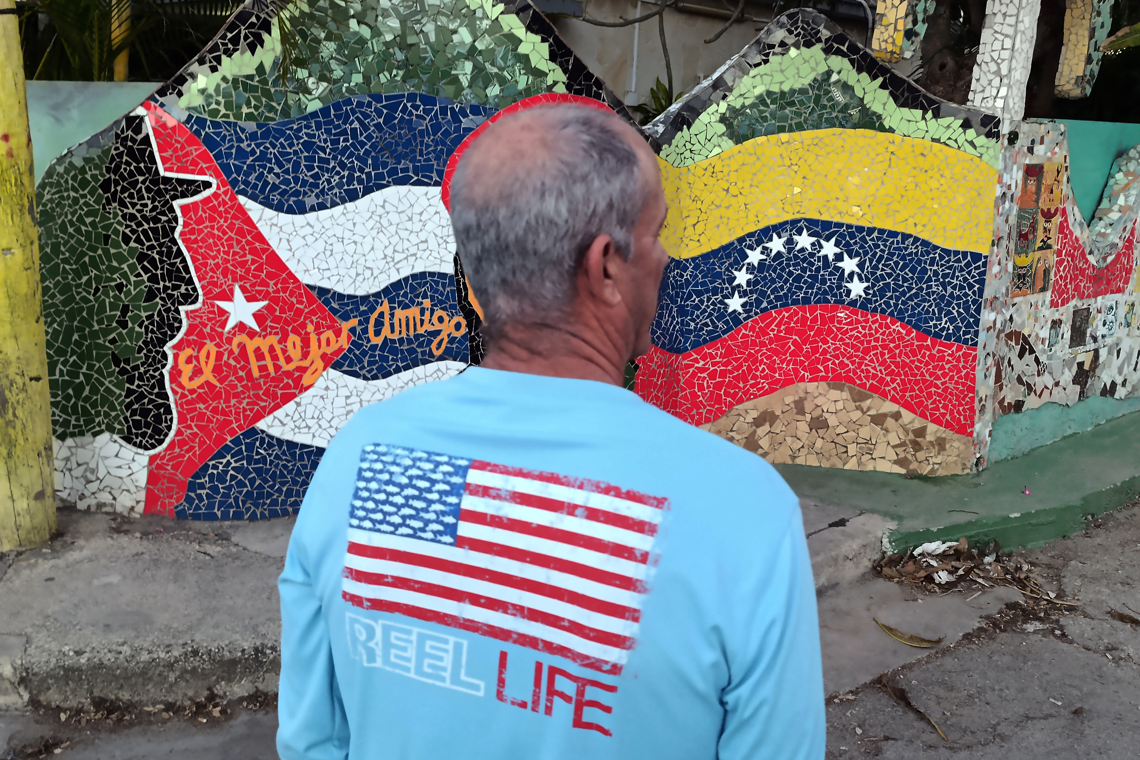
The first thing that stands out in Rubio’s plan for Venezuela — stabilization-recovery-transition — is that the issue of “democracy and freedom” is relegated to the background. In effect, this formula prioritizes ensuring public order and the functioning of existing institutions, in contrast to the turbulence that an attempt at abrupt “democratizing” political change would generate.
Once this stability is secured, economic recovery would follow. As is known, given the structural nature of many problems, and their internal/external interconnectedness, this recovery in Cuba could not be resolved in a few months, and in some aspects, according to most experts, it would require years. The most obvious point is that the need for external capital would be essential in several sectors. But investing in an economy whose deficits begin with infrastructure (energy, water, roads and railways, etc.), a sector that would not guarantee short-term profits, cannot be solved with a magic wand. This is enough to realize that the issue of recovery is more complex than it seems.
Then would come “the transition,” which would be the transformation of the political model. Although it is possible to imagine it, it is not clear right now how and to what extent the current model would be transformed. And even less clear is who the protagonists of that change would be.
If this Rubio plan were to actually guide policy towards Cuba, it should instead propose facilitating a policy of reforms like the one the current Cuban government is obligated to implement to channel the recovery.
Instead of besieging and threatening it, it should replicate the policy that George H. Bush had towards China in 1978, when he re-established relations; and the one promoted by Republican Senator John McCain and Democrat John Kerry to re-establish relations with Vietnam (1995). These reforms did not respond to external threats or dictates, but rather stemmed from changes within the communist parties themselves.
Learning from these lessons, they might also realize that the Chinese and Vietnamese diasporas did not play a leading role in generating the reforms, although they did benefit greatly from the Reform and Opening Up and the Doi Moi policies. This was not only in the opportunities opened up for their return and active participation in the economy, but also in education, culture, science and, in general, in their reintegration into their societies of origin, instead of continuing to oppose them and supporting the recalcitrant and isolationist policies of their historical exiles.
Thanks to the maintenance of these relations, and the continued dialogue between the U.S. and these two governments at the highest level, their companies, universities, cultural institutions, and many government agencies, such as those for environmental protection, combating organized crime, drug trafficking, etc., were able to coordinate and advance in pursuit of their interests.
For these reforms to succeed, a strong state was needed, capable of rebuilding a modern public sector that would drive and control development, guarantee welfare and basic social services, and drastically reduce poverty. Without such a strong state, it is impossible to guarantee stability or achieve the crucial goal of recovery, on the path to a comprehensive modernization of the entire system.
The opportunities to influence these internal/external changes therefore lie more in dialogue than in ultimatums, in cooperation than in threats. These can only provoke reactions in defense of national sovereignty and independence, of which Cubans are extremely protective; increase the legacy of distrust accumulated toward the U.S.; and ultimately, harm the climate of freedom and debate necessary to advance the changes. This has been the typical effect of the besieged fortress mentality, which should not be a mystery to the U.S. or to anyone familiar with Cuba.
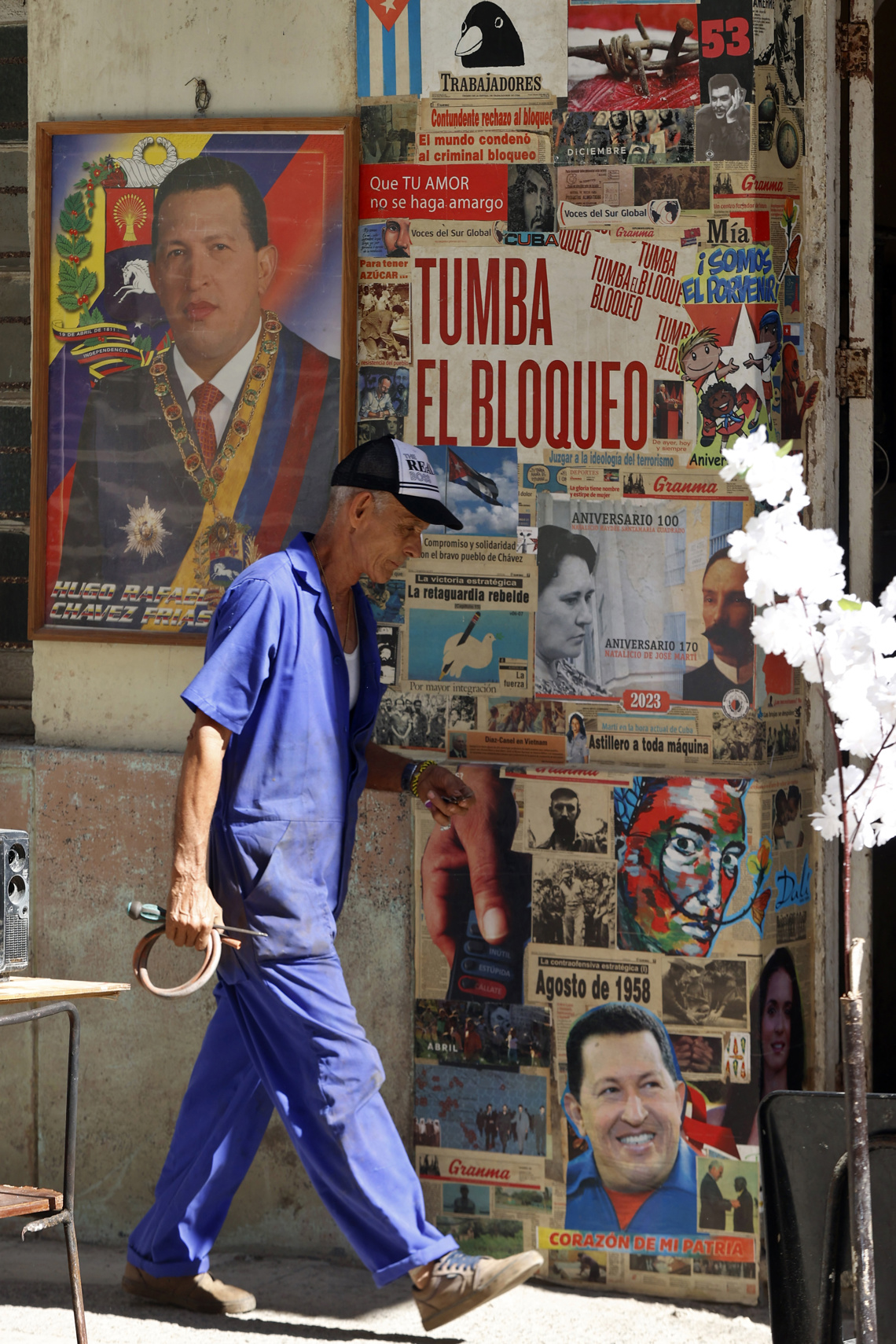
To conclude, we return to the initial topic of these notes. What would be the meaning of domestic policy in this geopolitical situation?
Looking back, during Obama’s short summer, the most complicated aspect was not the impact of his speech on civil society, the effect of his “good guy” demeanor on Cubans accustomed to classic imperial arrogance, or the slowness of our ideological apparatus to adapt to the new context. The most delicate issue was the link between progress in bilateral relations and the dynamics of the ongoing reforms.
Many problems that make up the pending agenda of Cuban reforms are located in areas that overlap with the U.S. agenda toward Cuba. These include, for example, the expansion of the private sector and the facilities granted for its development; the expression of public opinion and the real autonomy of the media; access to and efficiency of the internet; the place of emigrants and their citizenship status; pending legislation on associations, the right to public protests, meetings, religious worship; etc. This U.S. agenda politically burdens these issues in a negative way.
For this reason, a coherent internal policy, neither reactive nor opportunistic, would require advancing internal and external changes that strengthen its autonomy and decouple it from the dynamics of bilateral relations. That is, to prevent the meaning and raison d’être of these changes from being tainted in the eyes of public opinion, and on the contrary, to reinforce the necessary consensus to implement them, a consensus diminished by years of crisis and ineffective policies. The communication strategy regarding the nature of these internal changes, their scope and political implications would also be key to contributing to an appropriate understanding of our foreign policy, including our policy toward the United States.
What should be done, taking into account the circumstances created by the intervention in Venezuela and the perspective of 2026? What should be the priority policies, consistent with a strategy to overcome the crisis and that address the complexity of the moment? How to move forward, facing the challenges, and strengthening consensus, without being dragged down by the besieged fortress syndrome?
I sent these questions to a group of researchers specializing in the Cuban economy and politics, of different ages and backgrounds, who live here and are active in some of our institutions. I conclude these notes with a summary of their responses, which I asked them to keep brief.
- Reform and restructuring of the general business sector, primarily state-owned enterprises.Resizing them, expanding their autonomy, and introducing market mechanisms into their operations to overcome bureaucratic inertia.
- A policy of financial and banking reform and transparency (including a new tax policy); and a proactive monetary policy that guarantees a single (economically sound) floating exchange rate for the entire economy.
- Consolidate, expand,deepen and revitalize trade relations with Russia and China. Activate economic and political diplomacy with other countries to secure fuel supply lines (Mexico, Russia, Iran, Algeria, Angola).
- Stimulate exports through allpossible means. Achieve new agreements in other regions (Africa and eventually Asia), especiallyto export medical services.
- Generate initiatives to resolve external debt defaults, including asset sales, bond issuance, etc.,in order toopen up international credit and encourage greater foreign investment. A more decisive opening to foreign capital and more facilities to finalize business deals; including Cubans residing abroad, for whom an expedited process (fast track) should be created.
- Promote food production, including sugarcane.
- Replace the centralized economic planning of material and financial resource allocation inherited from the USSR. Establish the market as the regulator of the state and non-state economy. Maintain centralized state planning todeterminethe strategic development of the economy and to prevent market distortions that affect the population, especially the most vulnerable.
- Convert most state-owned enterprises into public companies with shares that can beacquiredby workers and other national and foreign individuals and legal entities. The management of these companies should be decided by their own workers, who are responsible for nominating and electing the main business leaders.
- Apply the different modalities of direct democracy, where citizens make binding decisions on public affairs. In the 2028 general elections, the Candidacy Commissions should nominate two candidates for each parliamentary seat, and the same procedure should be followed in the next elections of theCommunist Party of Cubaand mass and social organizations.
As some of them warn me, none of this is purely technical or economic, separate from the political processes that must unfold and be negotiated in parallel; and building consensus from the bottom up is key to understanding the risks that must be taken and what must be conceded or sacrificed.
I would only add that, while reforms must be designed and implemented by the State, ours involve the renewal of a social contract, which can only be achieved through open dialogue with society. Avoiding this confrontation, for considerations or conveniences of any kind, would be meaningless as a socialist policy.