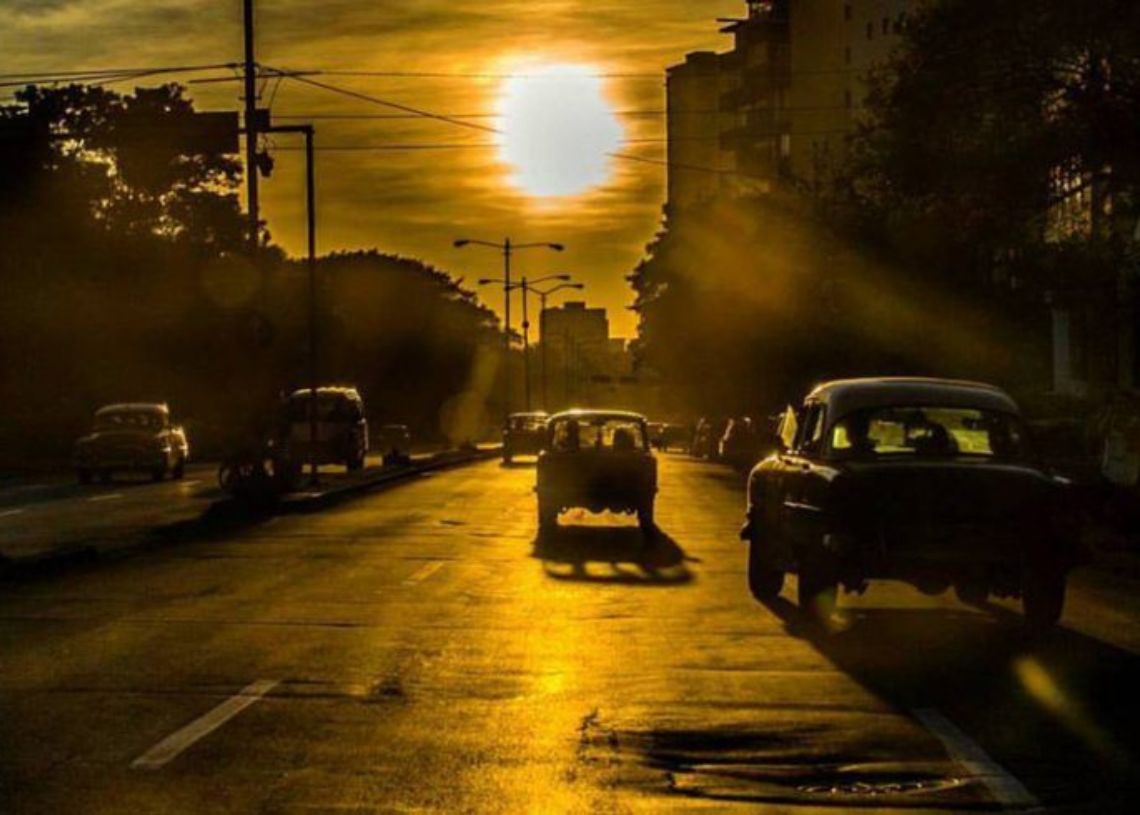
The shrill roars of the chainsaws are subsiding. A thick silence covers the backyard of Evaristo’s house. He, sweaty and satisfied, looks at the branches and pieces of trunk from the felled tree. Venancia leans out of the kitchen window and, fanning herself, thinks that she won’t have to sweep the damn leaves anymore. Evaristo has paid the brigade that was “pruning” the trees on the opposite sidewalk so that they would remove the annoying tree. Yohandry, his eldest son, wipes his handkerchief over his forehead and neck, drenched in sweat, and begins to help the workers and his father carry the remains out into the street. He has just arrived with the good news that he has paid a fortune but has obtained bags of cement to cover the dirt in the backyard and some navy blue paint for the house.
They don’t know what they’ve done…
Every summer the same question returns: Isn’t it hotter this year? Little by little those who do not believe that the so-called “global warming” and “climate change” are something indisputable are decreasing. It is true that a global increase of 1.5 degrees Celsius (since the industrial revolution) does not seem like anything special, but when we see the statistics of the growth of its effects — floods, droughts, forest fires, extreme heat waves, retreat of glaciers, an increase in cyclones and hurricanes… — things already change and become something worrying, if not alarming.
On the other hand, this figure, like any average, is not evenly distributed over time, geography, or society. The increase in temperature is accelerating more and more, its impact is lethal in some areas of the planet and not everyone suffers it the same. There are those who struggle with a hand fan, others with a fan and fewer with air conditioning.
The impact of global warming differs not only by geographic latitude (although the poles also melt), but by the degree of urbanization. Numerous studies have verified the considerable thermal differences (of more than 5 degrees) between the countryside and the city, and even between the center and the periphery of urban centers.
It is the phenomenon known as “heat island”: the concentration of buildings, roads, impermeable surfaces and the lack of green areas cause solar energy to be absorbed, stored and released slowly during the night. This has negative effects on the health of its most vulnerable inhabitants — the sick, children, the elderly —, as well as on their social distribution. The most powerful combat it with large consumption of energy and considerable heat emissions from air conditioners that increase the inequality of its distribution and aggravate the situation of the least favored.
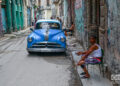
The fight against heat on a global scale is progressing too slowly. It is directly related to climate change and the reluctance of governments and large companies to face the necessary expenses. The main causes of the situation (industrialized countries) refuse to assume the costs of changing it and the main victims do not have the required resources.
But the scale of the struggle against heat is not only global. Urbanism, architecture and the citizens themselves can and should make their contribution. Evaristo, Venancia and Yohandry do not know that from now on the temperature of their bluish house will increase by more than 5 degrees…
Architectural and urban solutions
Architecture has been developing over the centuries multiple solutions to mitigate thermal aggressions. The orientation of the buildings is important to avoid excessive sunlight and take advantage of the prevailing breezes in buildings with cross ventilation, the use of thermally insulating construction materials (there is a return to the use of natural materials such as wood or clay), the use of reflective coatings (the white Mediterranean villages), the incorporation of sunbreaks or facades with a second skin, and the skillful use of water, shade and vegetation in backyards and doorways — like Arab architecture.
More recently, green areas have begun to be incorporated into the walls and roofs of buildings and to avoid, in particular, steel and glass constructions that absorb and maintain heat and produce negative greenhouse effects, forcing enormous energy costs to artificially cool the interior environments. Unfortunately, our most recent hotel constructions in Cuban cities ignore these recommendations.
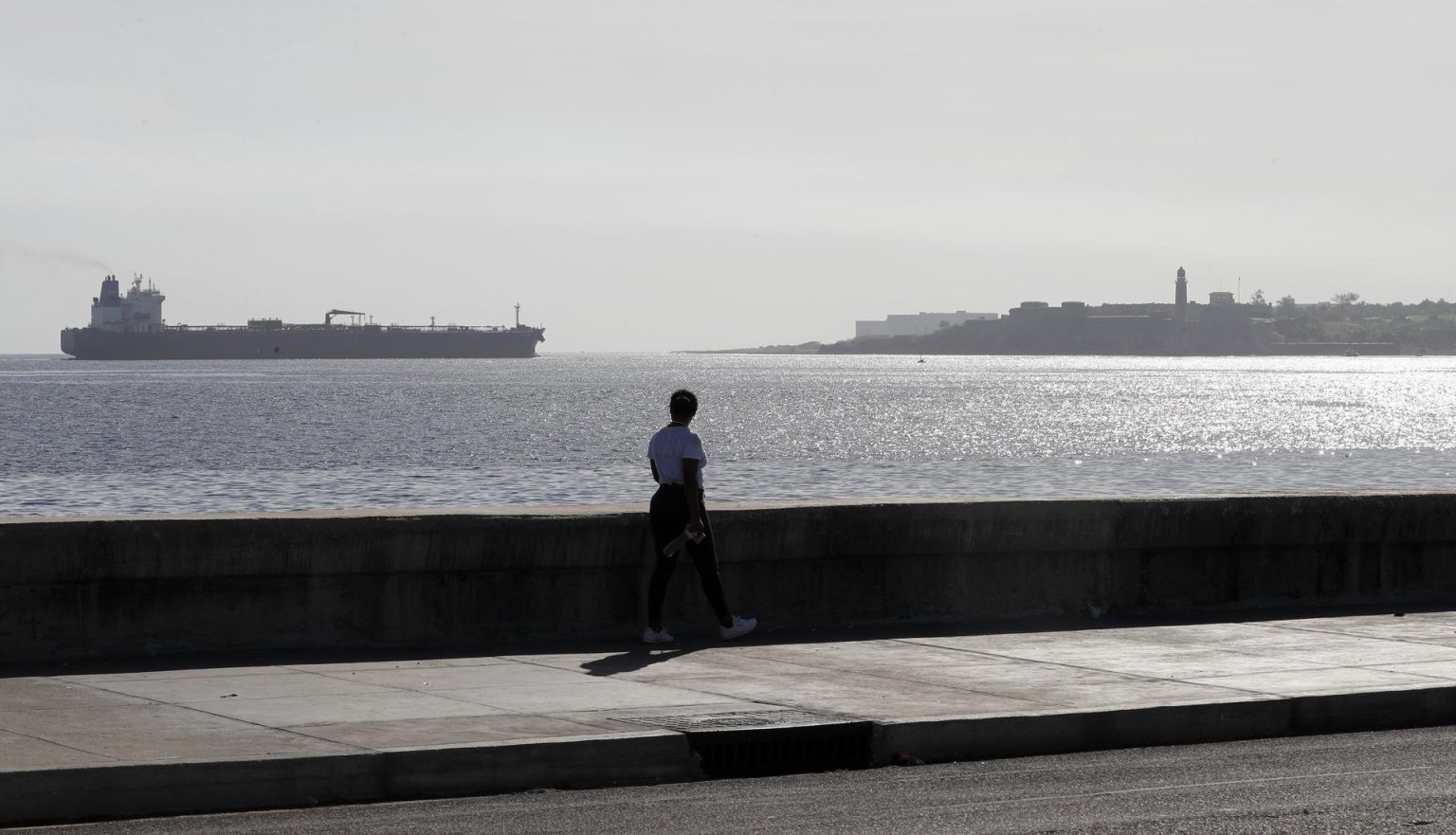
The morphology and geographical context of cities have a decisive influence on their environmental quality. An inland city is not the same as a coastal one; a city crossed by the flow of a river or with important parks or green areas inserted in its urban fabric is not the same as those that lack it. An intelligent urbanism will not be indifferent to these characteristics and will try to make the most of them. Like, for example, the role that the Malecón plays in Havana, and the role that the Bay, the Almendares River or the Metropolitan Forest could have.
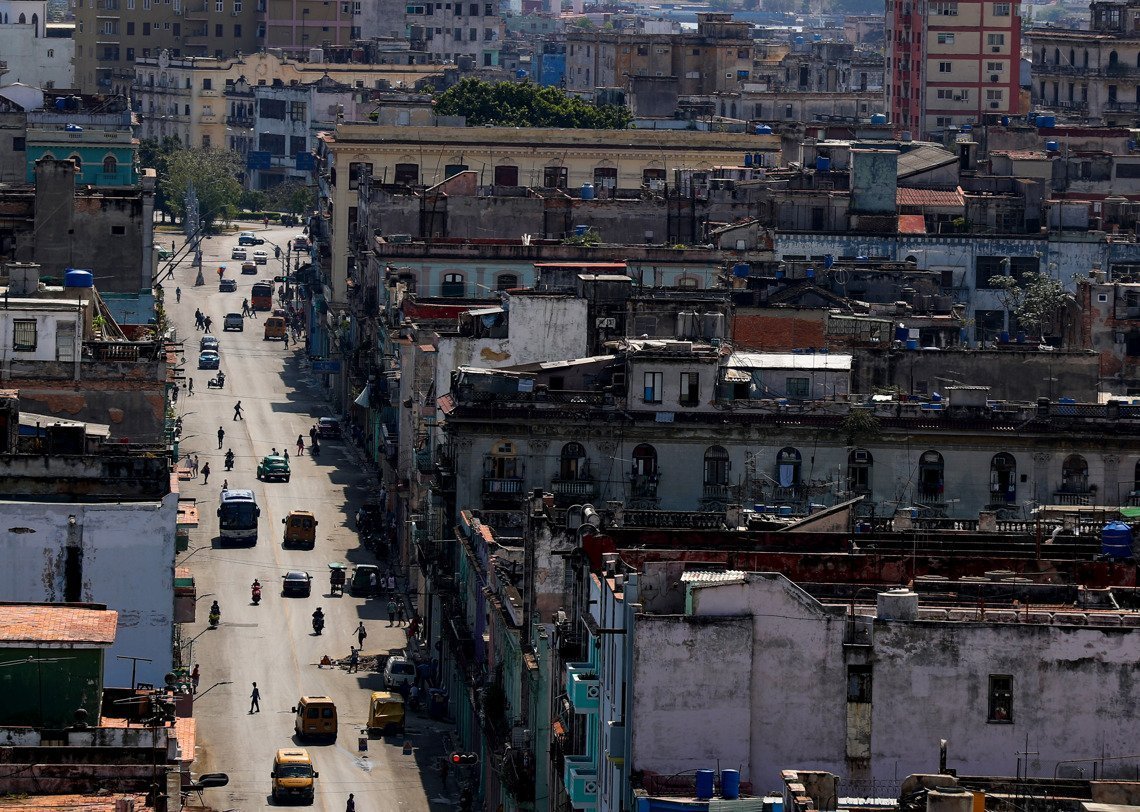
In fact, there are multiple factors to take into account in the battle against heat from an urban point of view: the breeze regimen, the sun/shade ratio, the thermal characteristics of the construction materials, skillful use of water and green areas, pollution control…
Faced with the increasingly frequent and aggressive “heat waves” that threaten and hit our cities, public administrations are multiplying initiatives and strategies to mitigate their effects. Let’s see some of them:
Renaturation of the city
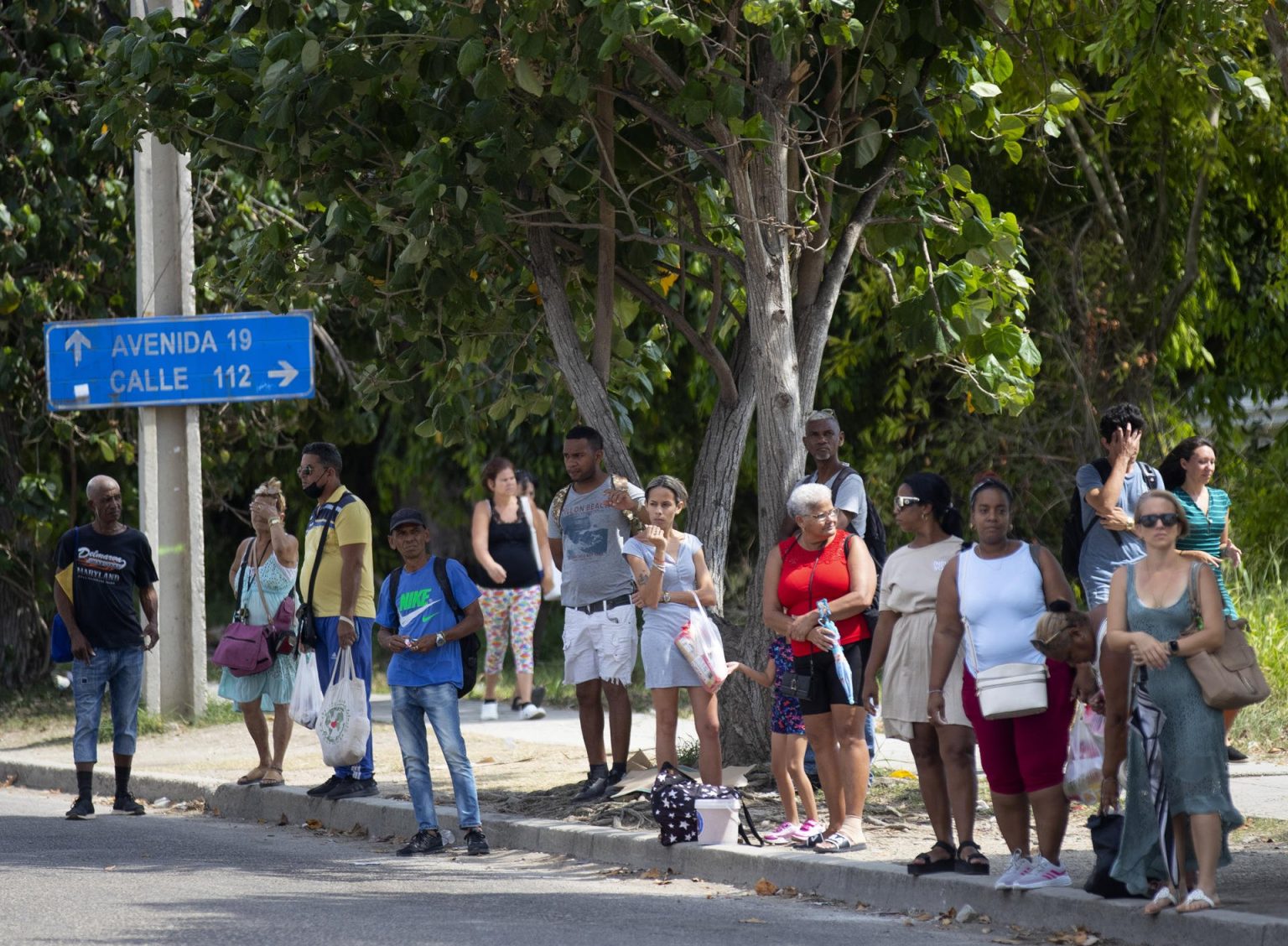
The urban design itself must take into account factors such as the orientation of the buildings, the width of the streets, the location of green areas and public spaces to maximize ventilation and reduce sun exposure.
In recent times, the urban approach aimed at restoring and increasing the presence of nature in urban areas has been acquiring particular prominence. It is about integrating nature into the urban fabric, seeking a healthier and more sustainable environment for citizens. That includes creating and caring for urban parks and gardens, cleaning and restoring river and stream banks, planting suitable trees, judicious pruning, and creating green spaces on rooftops and building walls.
Urban surface permeability
The surface of the cities has been covered over time with successive impermeable layers of concrete and asphalt that prevent rainwater from passing into the aquifer or from remaining on surfaces where its slow evaporation contributes to the drop in temperatures.
It would be necessary to control the tendency to asphalt or create impermeable pavements (the so-called “hard squares”) and replace them with green areas, grass, earth or cobbled surfaces that allow water to enter the subsoil.
Research in multiple countries has also shown that the asphalt layer — due to its physical composition and color — retains heat and has temperatures up to 12 degrees higher. If you don’t believe it, do the following experiment: find a place where two vehicles, one white and one black, are parked. Put a hand on each one and you will see how you will have to immediately lift one of them at the risk of burning yourself. It is suicidal to paint buildings in dark colors.
Defense of shade
Avoiding the sun as much as possible has always been one of the essential efforts in buildings and cities in hot-weather countries. The planting of trees and the creation of portals through which one can circulate in the shade have traditionally been one of the main resources in combating heat. It is curious that the same device that in rainy countries is called “umbrella,” in our latitudes it is known as “parasol.” There it avoids water, here it casts a customized shade.
Multiple initiatives are recently being developed to cushion solar radiation. In many Mediterranean cities, traditional awnings are being recovered to cover pedestrian routes in narrow streets, areas of public spaces are covered with pergolas or parabolas that increase the shaded areas. Some cities — such as Zaragoza — have created applications that show the shaded areas of the city at all times in order to choose suitable routes.
Recovery and public use of water
There are developed cities in which nebulizer networks have been built, wet squares (it can be wet pavements or columns of water in which pedestrians can cool off) and other expensive and sophisticated solutions. Other cities recover and take care of the traditional public water sources, clean and take care of the banks of rivers and streams. Madrid and Barcelona, for example (with some 2,000 sources each), have applications that report the location and characteristics of the nearest source. It would be worth it, for our part, to recover any source and water pool, taking care of its recycling and rational use, and creating drinking water points.
Defense of active transportation
One of the main factors of the increase in the temperature of the cities is the continuous and widespread emission of thousands and thousands of internal combustion vehicles. Any decision that can cushion this constant generation of heat: electric transportation, optimization of traffic, promotion of active transportation (cycling or pedestrian), promotion of collective transportation, etc., is positive for the urban climate.
Development of public policies in favor of the vulnerable population
The increase in mortality and morbidity in heat waves is a proven statistical fact. And this does not affect the entire population in the same way. The elderly, the sick, pregnant women, children (it has been proven that there is one degree more temperature in the first meter from the ground), suffer more seriously from excess temperatures.
It is necessary to imagine and implement initiatives that prioritize these population groups and not only from the demographic or health point of view, but also in their geographical location (Centro Habana is not the same as Miramar), and their socioeconomic condition.
In this sense, networks of “climate refuges” are being developed in some cities. These are public facilities — sports centers, schools, museums, libraries, churches with weather or air conditioning conditions — where people in situations of extreme discomfort can take refuge. It can also be parks with lush vegetation or naturally ventilated places.
It would be worth reflecting on the advisability of developing “weather policies” in such a way that better use is made of the cooler hours and avoiding days spent outdoors at times of extreme insolation. It is something that the farmers have discovered a long time ago.
Recently, during the presentation of the State of the Climate 2022 report, at the 8th Congress on Climate Change held in Havana, it emerged that Cuba registered in 2022 its third year with the highest temperatures in the last seven decades. 2023 is on the same path.
We may not be able to afford some expensive or technically sophisticated solutions; but it is clear that we can try to reduce the tendency to asphalt or cement any surface, avoid dark coatings and paints, prohibit felling and abusive pruning, stop building more steel and glass hotels, reduce polluting emissions…
We need more trees, more grass, more water, more breeze, more shade…
It is unfortunate to walk through the streets of Havana and verify that in many of them, there are already fewer living trunks than the stumps that, like stumps, remind us of the endless human stupidity. Resources may be lacking but, without a doubt, the barriers are more cultural than economic. Now Evaristo, Venancia and Yohandry yearn, in the heat of the afternoon, for the beneficial shade of the tree that was cut.