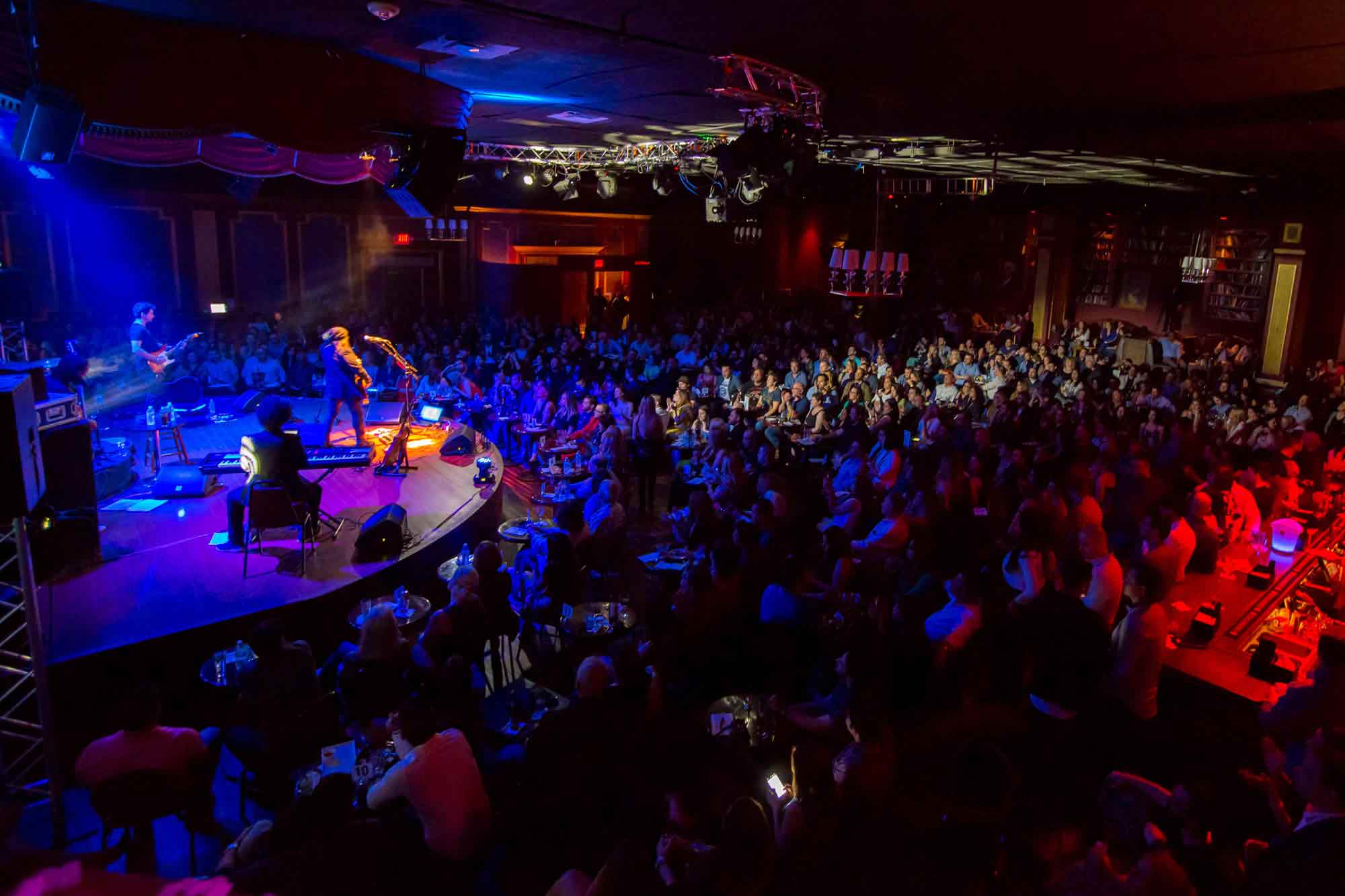
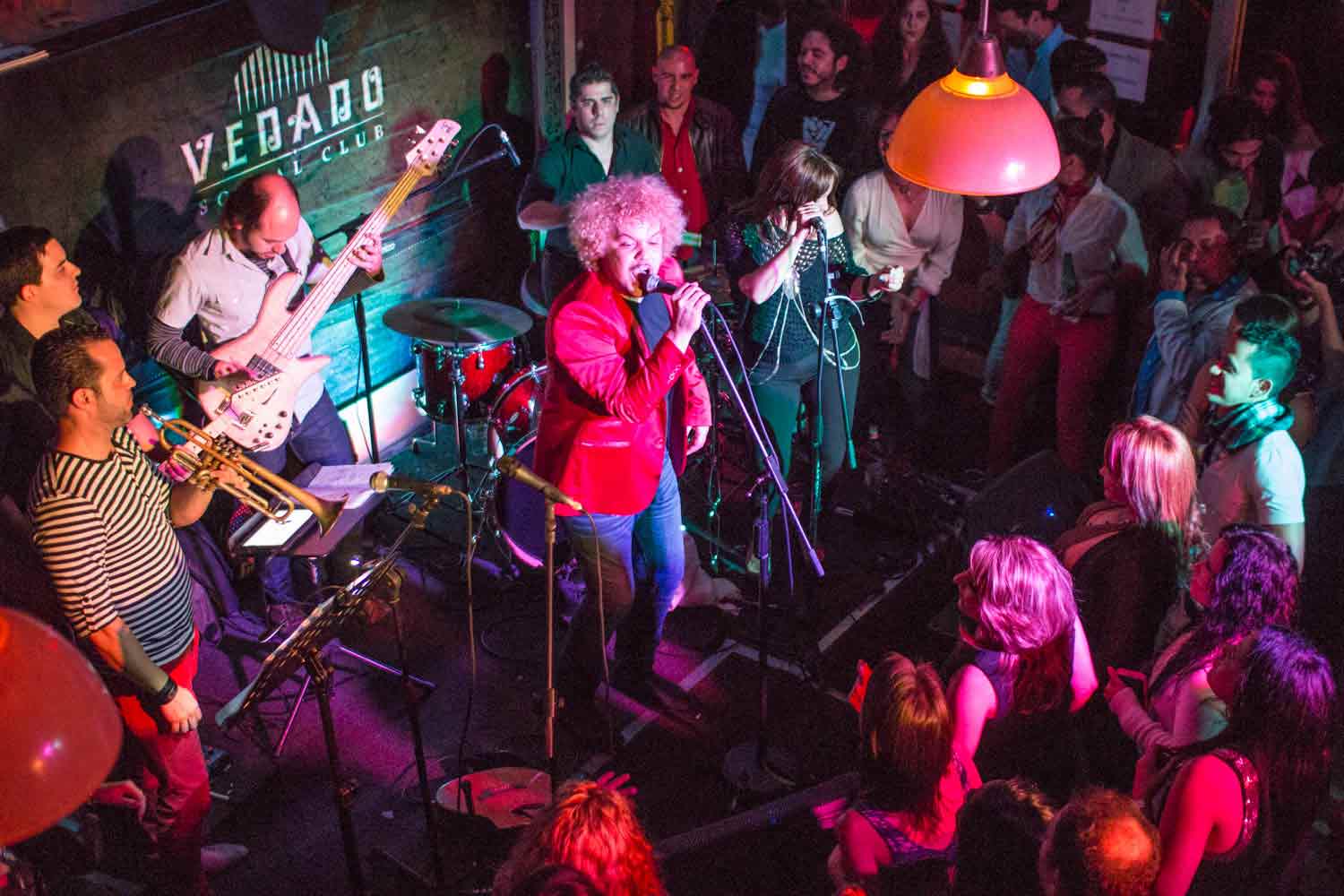
The top floor of the Langford Hotel in downtown Miami is decorated New York-style: cushions and sofas on the edges and a large open area in the center. This is where jazz, pop rock, or alternative Cuban music groups play every weekend.
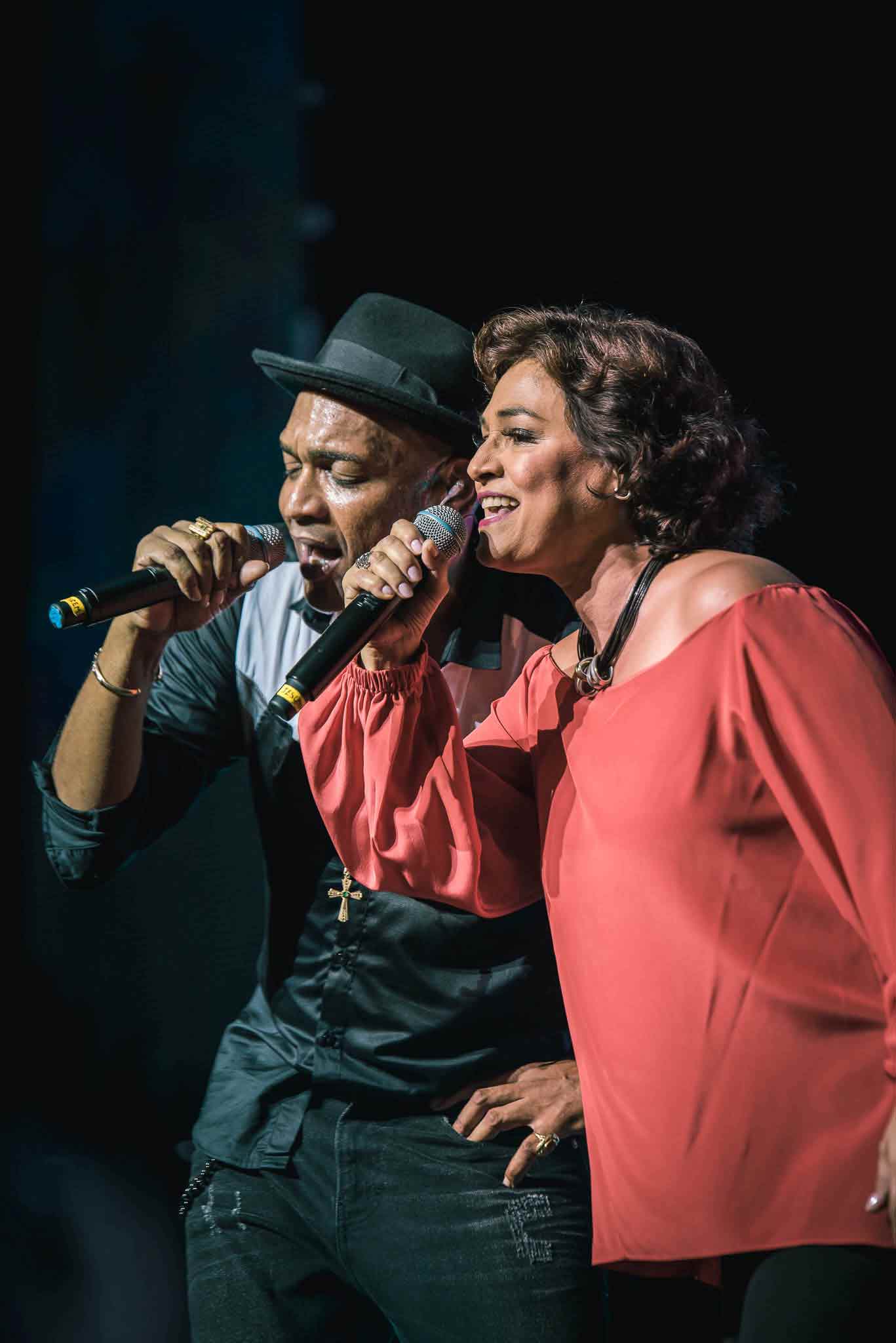
People can move from the indoor bar to the terrace, drink in hand, and talk, dance, and socialize enjoying the cultural offerings of the Vedado Social Club (VSC), where in a single night you can hear songs by artists ranging from Habana Abierta, Los Van Van, Carlos Varela, or Silvio Rodríguez, to emerging Cuban artists such as Cimafunk or Nube Roja. All that a few blocks from the electronic bits or the reggaeton background tracks of a Friday night in Miami.
Since 2012, the VSC has worked with Cuban artists in Miami: Descemer Bueno, Kelvis Ochoa, Interactivo, David Blanco, among others from a long list. This is a two-way street, since VSC has also brought musicians from Miami to Havana.
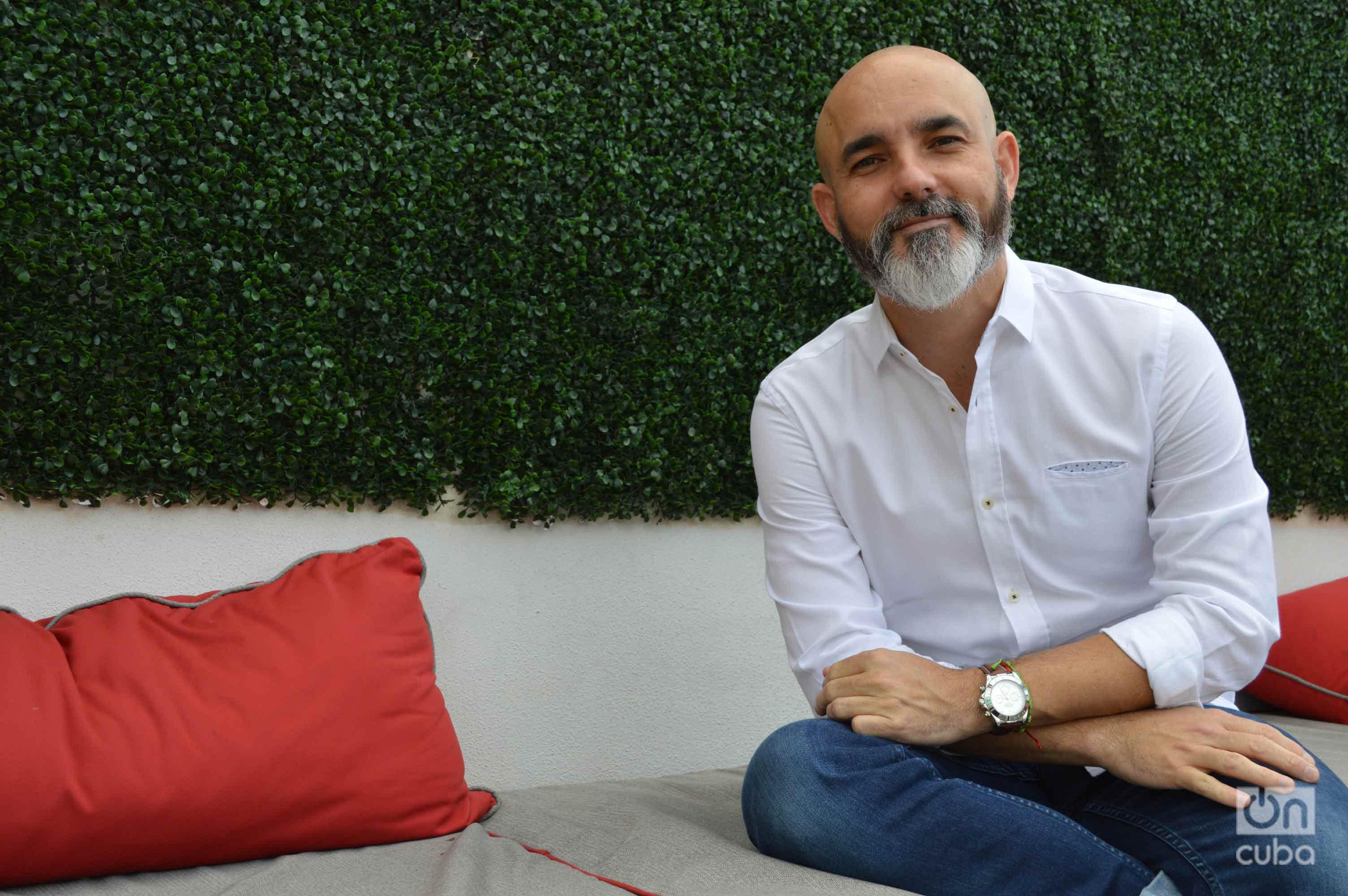
Juan E. Shamizo, 44, is one of its founders. A DJ since he was 15, he has spent more than 25 years advocating for what he considers the good Cuban culture.
“The Vedado Social Club is a cultural project promoting alternative Cuban music, emerging artists, and prominent underground musicians who don’t enter the more commercial circuits”, said Shamizo.
But given the historical context, having a playlist like the VSC’s on Spotify and putting it on every night in a city like Miami, given the political extremes, is not an easy task.
How were you able to succeed with a cultural project like the VSC in Miami?
At the beginning many people wrote to us, extremists who told us terrible things. So we decided to create a communication network that keeps a distance from what’s popular and people who aren’t interested in what we do. The network works through email, WhatsApp, Instagram. So we can redirect the information to the people that we want to reach and who really want to consume what we offer: an alternative Cuban music project, no matter which side or shore the artists are on.
We have stayed as far away from politics as possible. Everything we do is for the music, for that longing for the good in Cuban culture. From the beginning we avoided working with radio, television, or other press. In any case, we have no need to go there to find our audience, because people come to us because they like what we put on the table. We are not interested in delving into what has divided Cubans for 60 years.

How can someone become a member of the VSC?
Once they have access to this network, through Instagram or by word of mouth, people are informed about concerts and ticket sales even before they go public, and discounts are guaranteed. You don’t have to pay anything or formalize an application in order to be a member. People simply come and enjoy what we do, and leave us a way to contact them by email or phone. We are not interested in mass popularity, but rather that people with the same tastes find an exclusive and different offering. We like to provide spaces where people can converse, socialize, have a drink and listen to good music.
How did the idea of a project like this come about?
We were a group of friends who created it as a cultural project with the aim of bringing a little more of the emerging alternative Cuban culture to the city. Not what is fashionable—basically reggaeton or salsa—but artists who offer more content and the potential to grow. We focus more on Cuban artists, rock, pop rock, funk, anything that has to do with those genres. So it could be older artists, who were never popular in their time in Cuba but were more underground—for example, Habana Abierta and Cuba Libre—and also more emerging artists such as Cimafunk or Nube Roja.
How do you determine which artists to work with?
We are a group of friends. Whenever something new comes to the market we listen to it and we talk about it to each other. We look at trends, but also at our own taste.
Many of our members follow us because here they can listen to songs that practically do not get played anywhere else in the city. In the middle of the night you can hear rock and roll, Bob Marley, Queen, and Yerba Buena, Habana Abierta, the López-Nussa brothers, Cimafunk, etc. That other audience that listens to urban music and Justin Bieber already has many spaces in Miami, and that is not the audience that we have been cultivating and that has grown over the years.
The first events were on a rooftop in Wynwood, surrounded by works of art by Cuban artists… and at night, after dancing to a song by Los Van Van, you could hear a classic like “Causas y azares.”
It was very rare to find Silvio Rodríguez’ “Causas y azares” in Miami in the middle of a party. We played it because we liked it, we were all friends, we knew each other from Vedado in Havana. There was a lot of good energy happening at the same time.
Back then it was called Dance Tutorial. But when I saw that it was a party of friends who had similar tastes in good music, in art, then I knew it would become something else, a project that exposes and defends alternative Cuban culture. Not the most commercial culture, with which you can make even more money here in Miami, but that which is more artistic.
From outside, anyone could think that it is an elitist club, have you ever been told that?
Yes. Especially because of the characteristics of the people who come to our parties. If someone who arrives wants a different type of scene—is looking for three women, or looking for other types of things—you’ll pick it up immediately. That person simply leaves shortly after arriving, because he doesn’t fit in, he gets bored.
Another thing: of course you don’t have to be from Vedado to come. Here there are people from all parts of Cuba or children of Cubans born here. It simply means having a taste for what we offer and enjoying it, respecting the healthy environment that we create for our clients.
The audience from seven years ago is not the same as now. Younger people have more varied tastes, and can accept more urban music, but they have no problem hearing Carlos Varela, or Silvio Rodríguez.
Miami is about parties and reggaeton. But we don’t intend to educate people. Whoever wants to come and consume what we do will do it on their own, because of their musical taste. There are people who have told me “I really needed this in my life!”, simply because we play another type of music and we have another concept.
The challenge is to keep having a good essence, a good product, not to get old, or repetitive. The formula is good music and good art. We like to collaborate and support other products that are not exactly VSC’s. For example we collaborate with Fundarte, with Copperbridge Foundation, HAPE, people who contribute a lot to the good aesthetic content with which they work with Cuban music and culture in general.
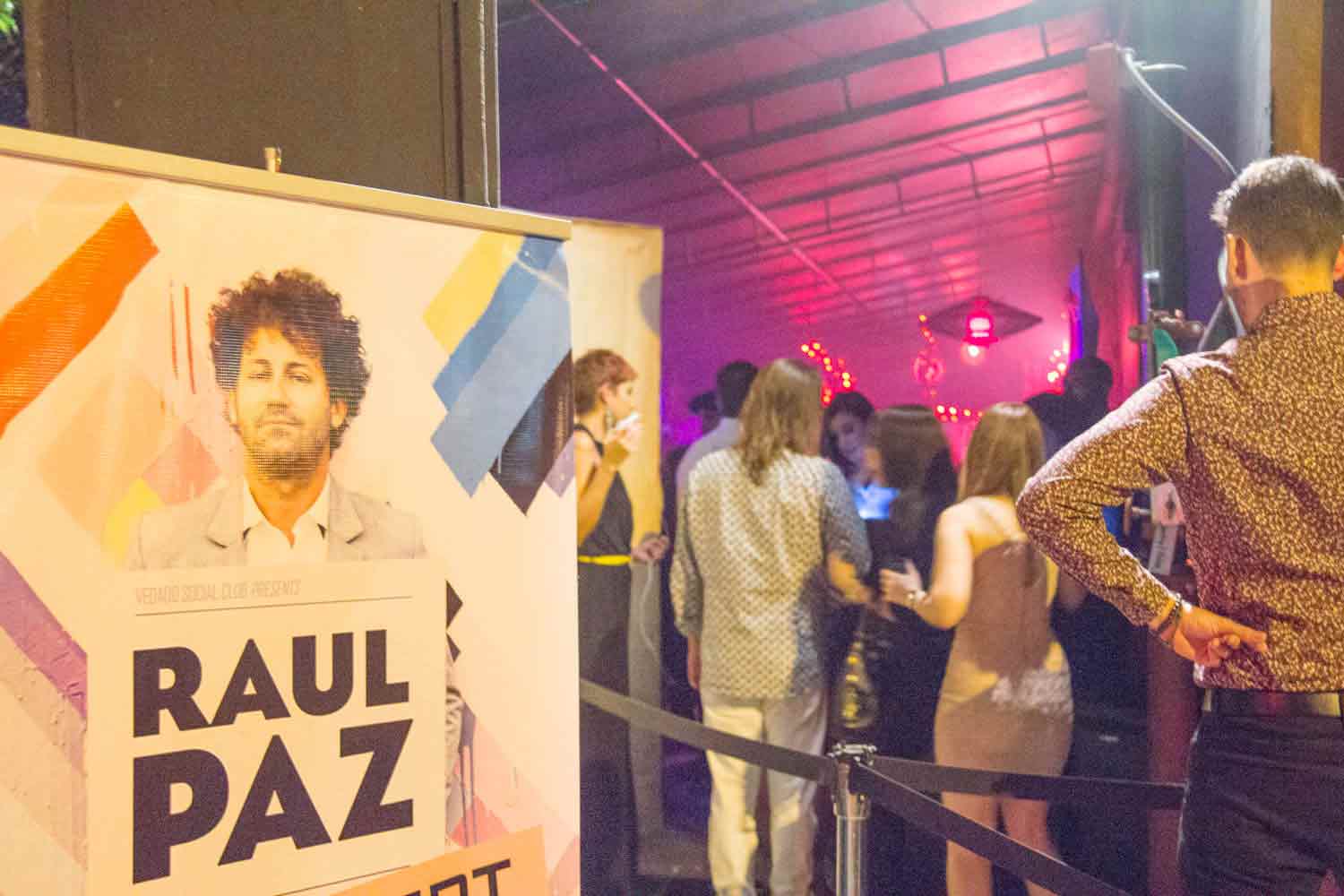
Your project is based on cultural exchange between two countries with a “difficult”relationship, how do you get around it?



With the presidential change in the United States and the closure of their embassy in Havana it has become much more difficult to bring emerging artists, the newest ones, because the investment to bring them is much greater and it’s very risky. This doesn’t happen so much with more established artists.
We have also brought artists from Miami to Havana, like DJ Oscar G, the son of Cuban immigrants. He was really looking forward to that trip and he was surprised by the magic of the city. We also took another son of Cubans, ALX, and some Spaniards called Chus & Ceballos. They all make electronic music.
Bringing artists to and from both sides is something that both cities appreciate, for the kind of content they can access. The atmosphere and the spaces in which these encounters happen are almost magical: you can find people excited, crying, or feeling very happy.
The cultural exchange, not only between Cuba and the United States, but between any countries with tensions, is one of the best ways to realize how similar we can be and how culturally rich we can be, how much the one can contribute to the other. There, any “can’t-do” mentalities are broken, and we simply enjoy each other’s cultural production.
Politics and culture have different paths: while one puts up walls, the other opens windows to a world that you may not know and that can be fascinating.
This article is included in the 51st Edition of OnCubaTravel Magazine: