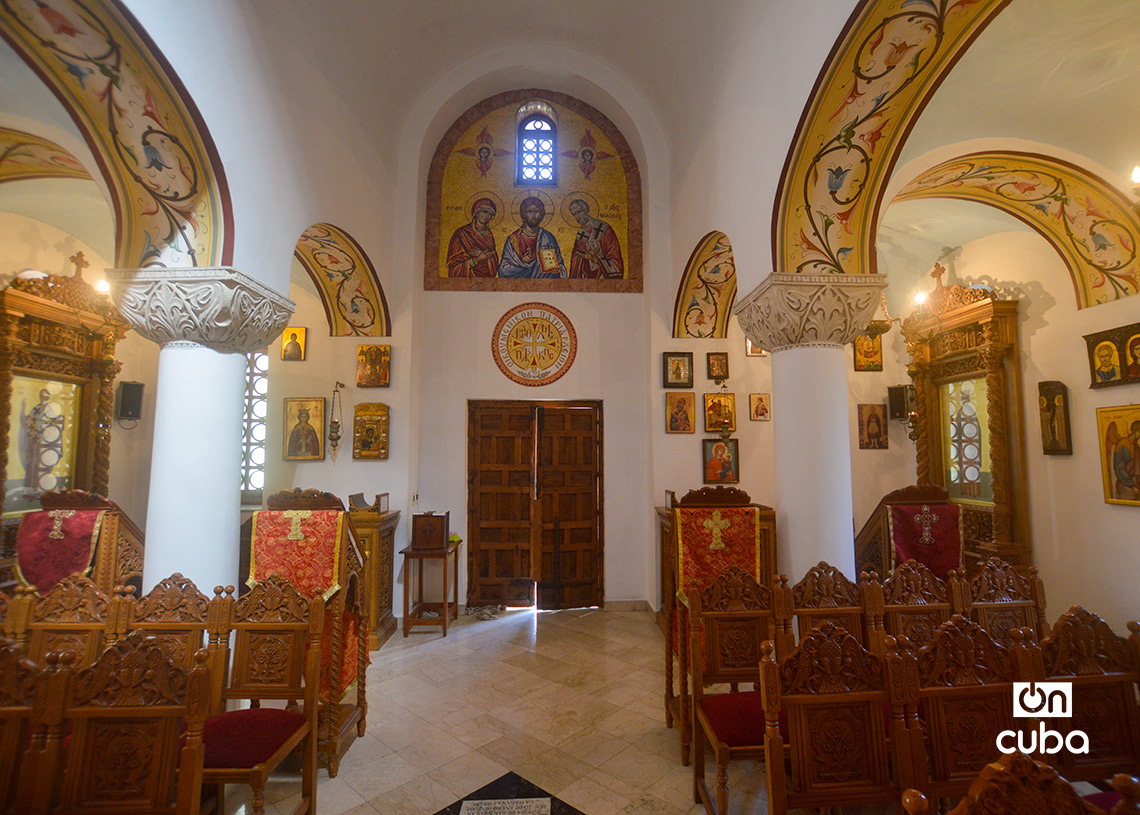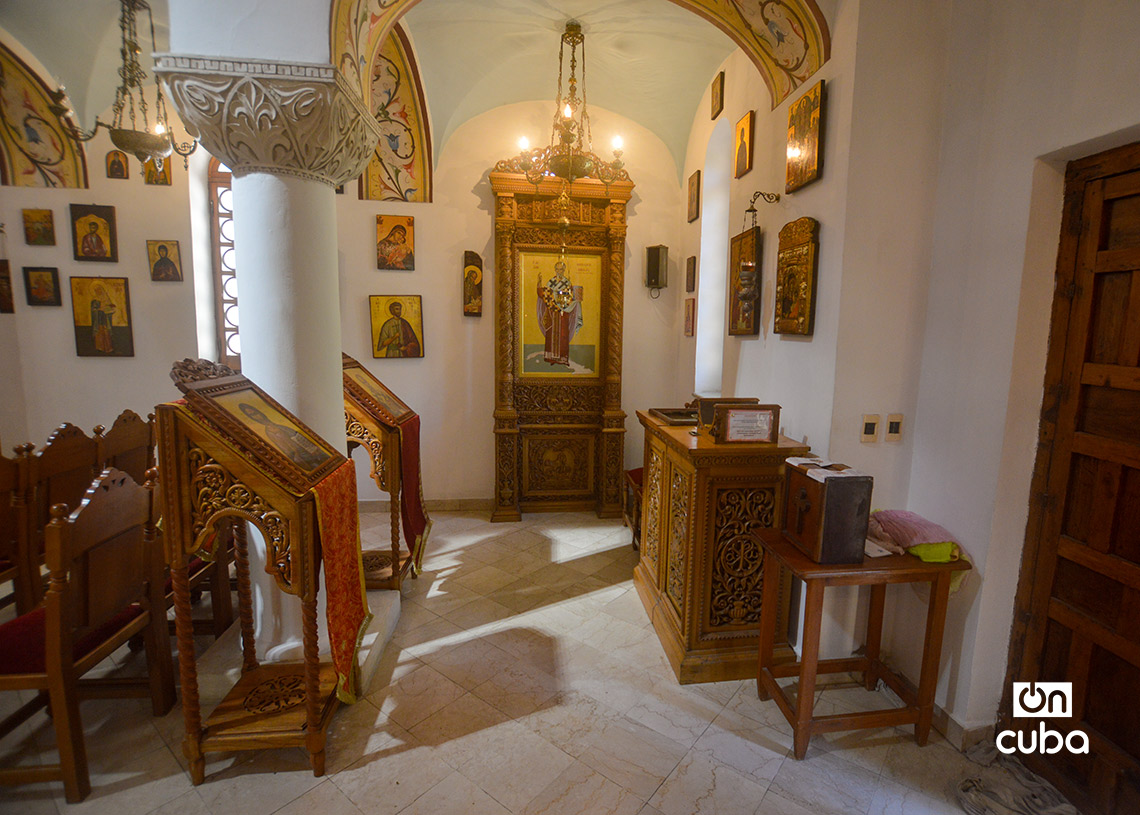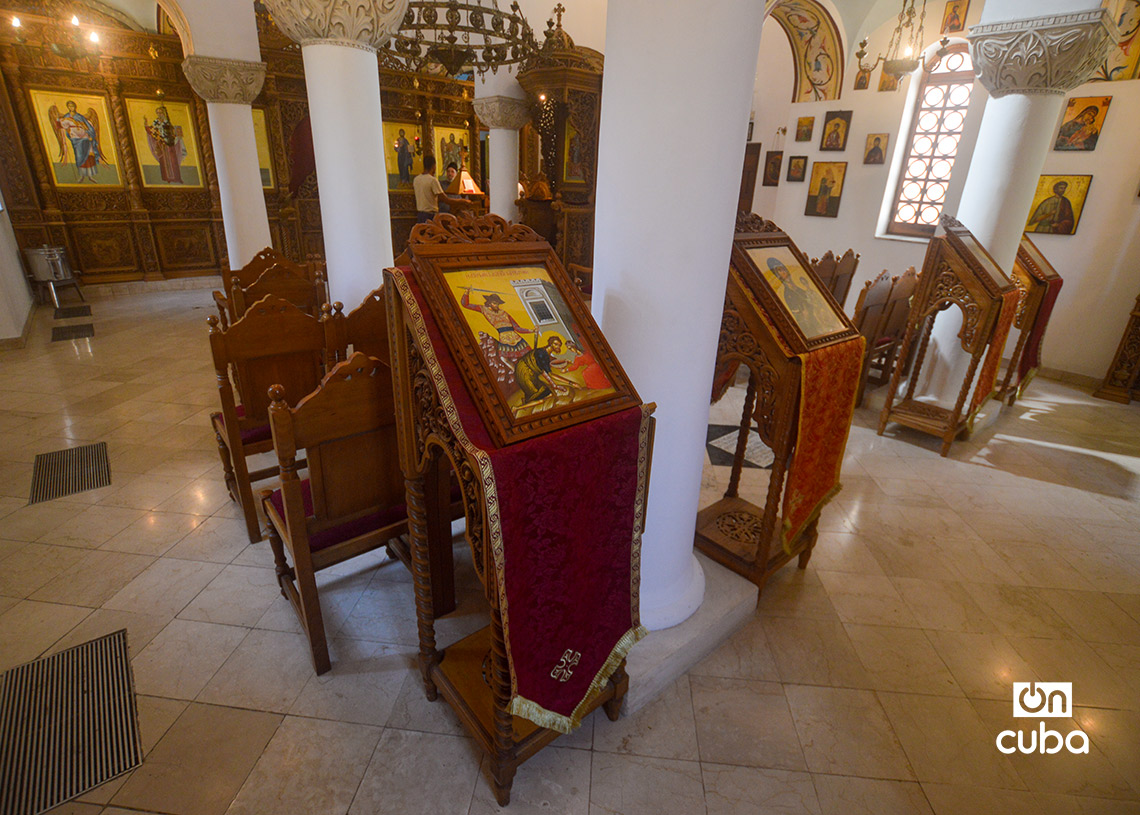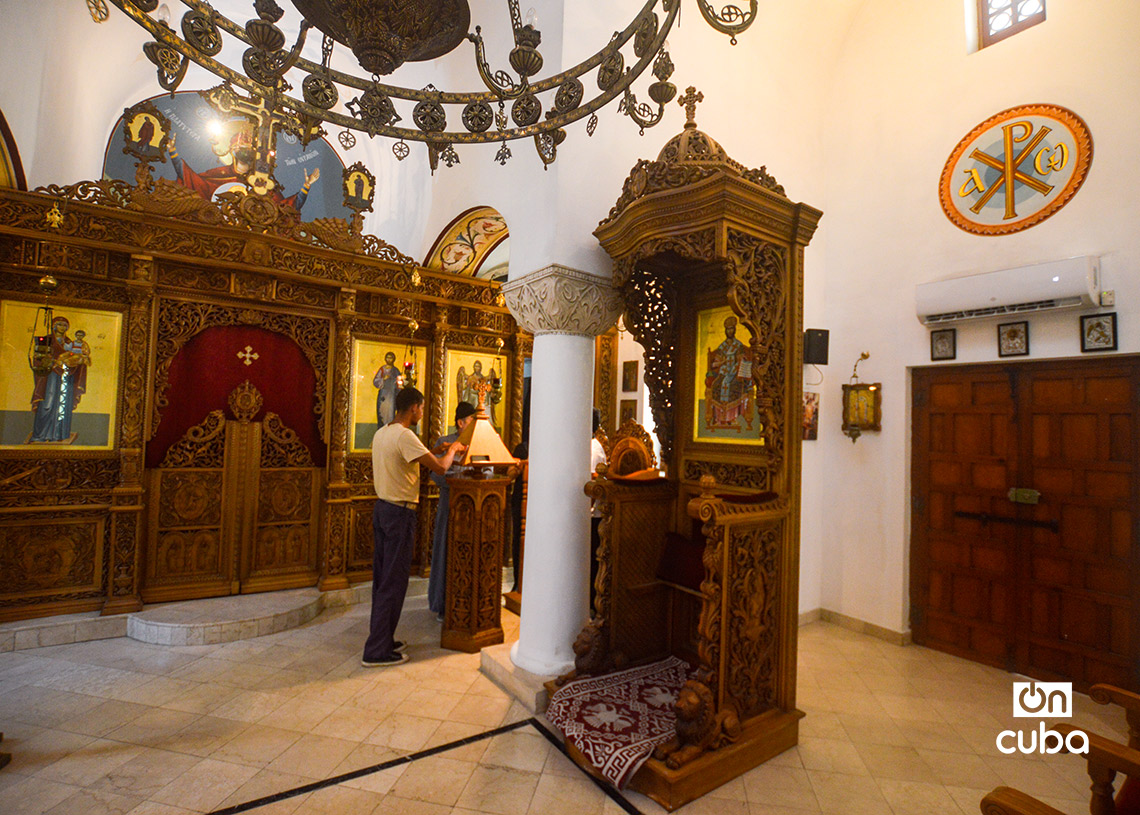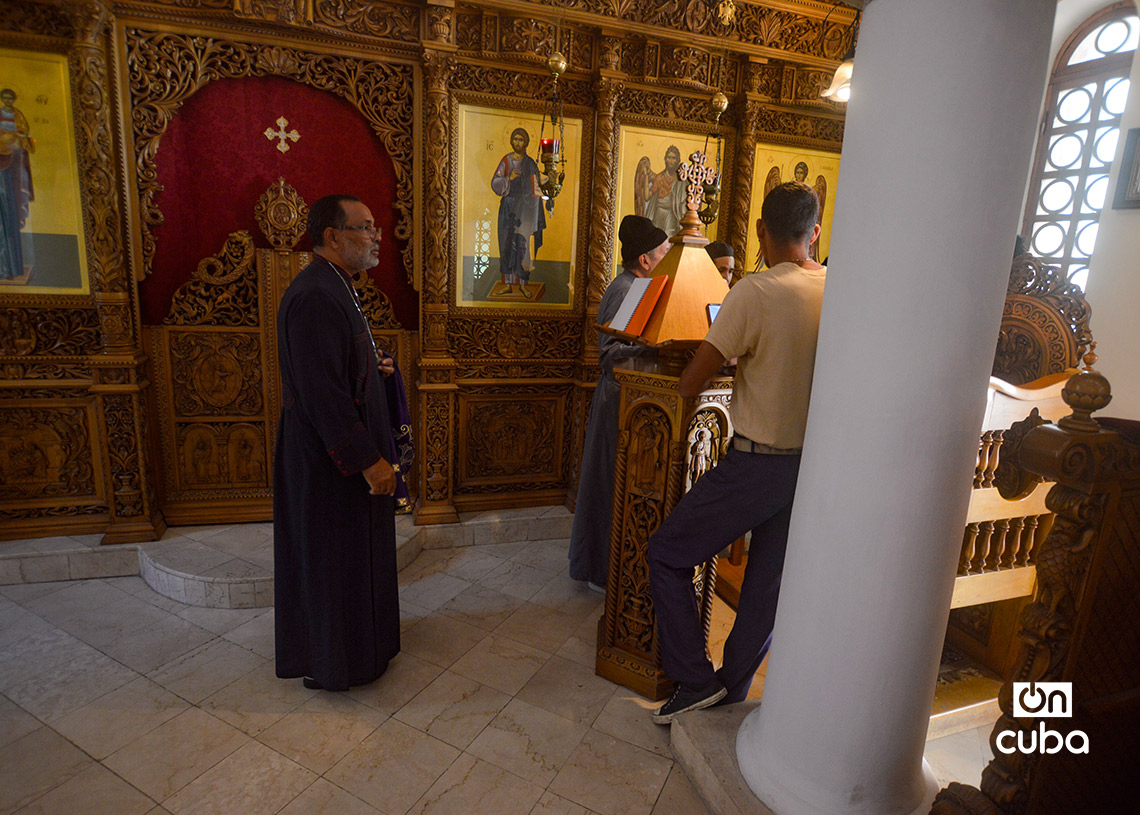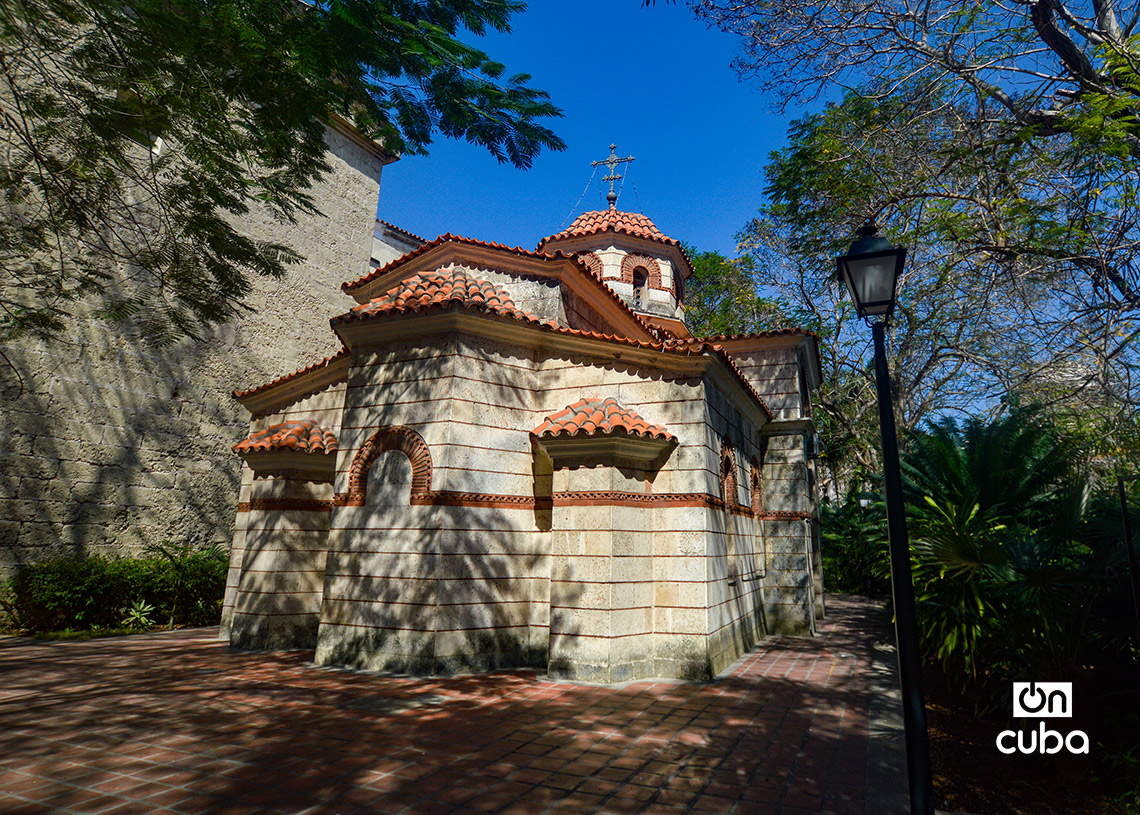
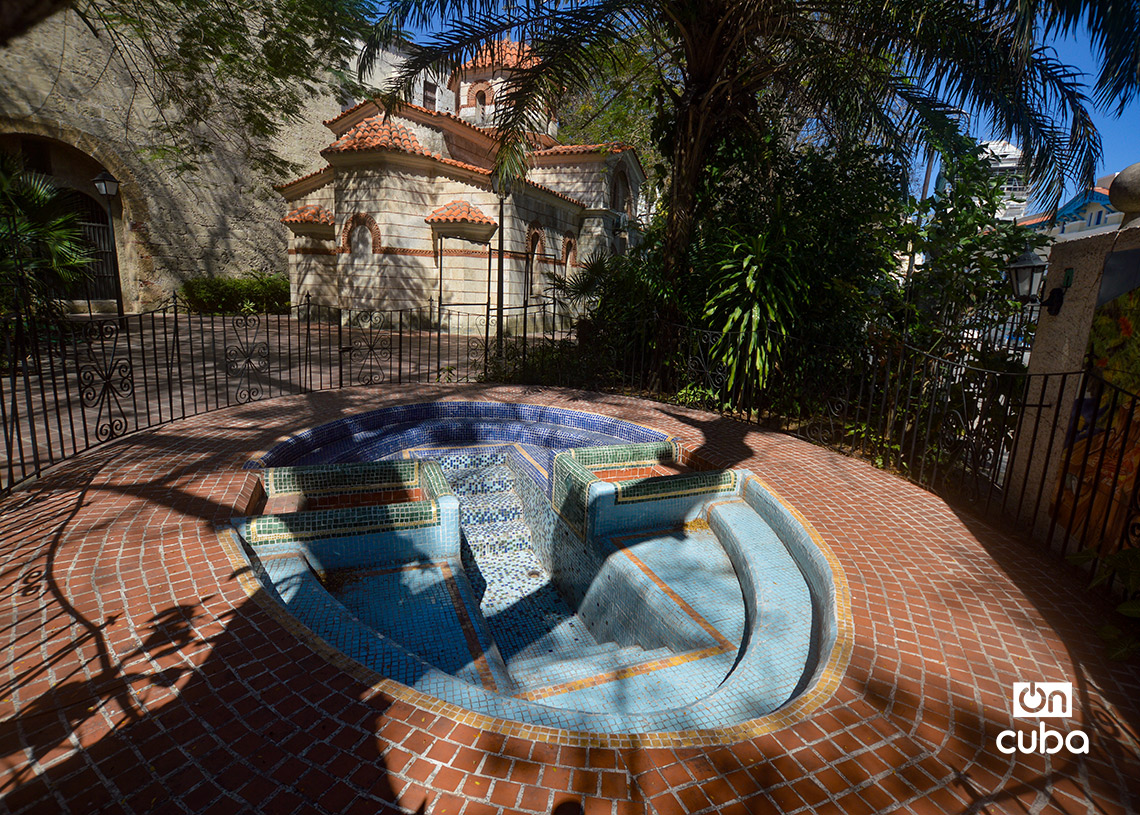
The Holy Greek Orthodox Cathedral of St. Nicholas of Myra is a small yet unusual church in the heart of Old Havana. To reach it, one must cross the Mother Teresa of Calcutta Garden, behind the Basilica of St. Francis of Assisi, as if entering a hidden sanctuary within the historic center itself.
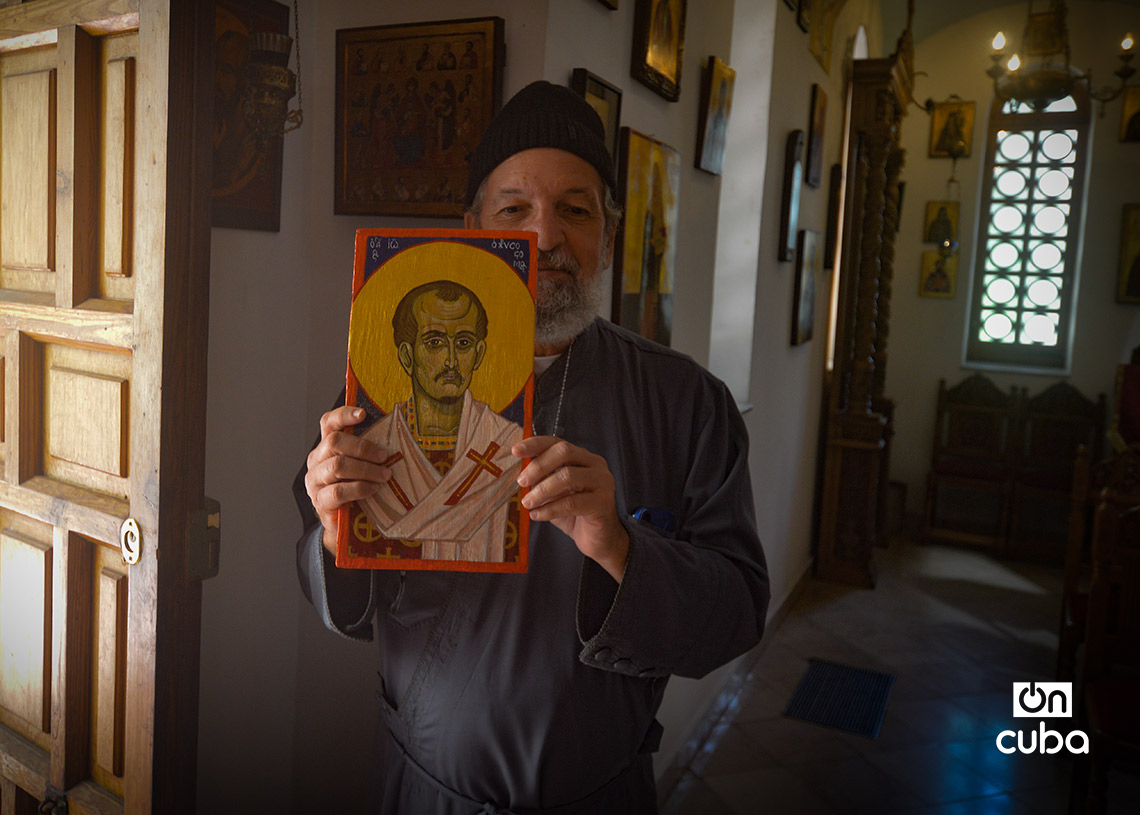
From this quiet courtyard, among sculptures and tombstones of illustrious Cubans, the austere facade of the Byzantine church, dedicated to a revered 4th-century bishop, unfolds. His figure — associated with caring for the poor, travelers and communities — fits with the idea of the cathedral as a gesture of friendship between Greece and Cuba and as a spiritual refuge amidst contemporary turmoil.
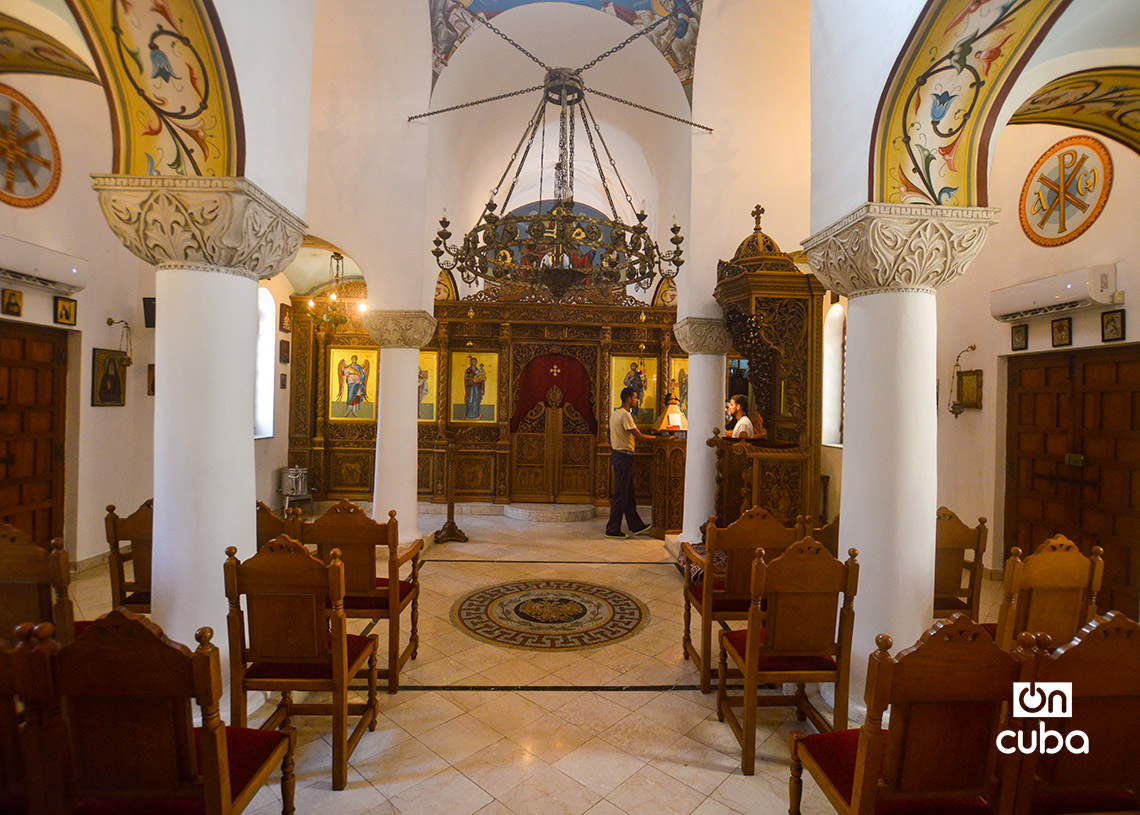
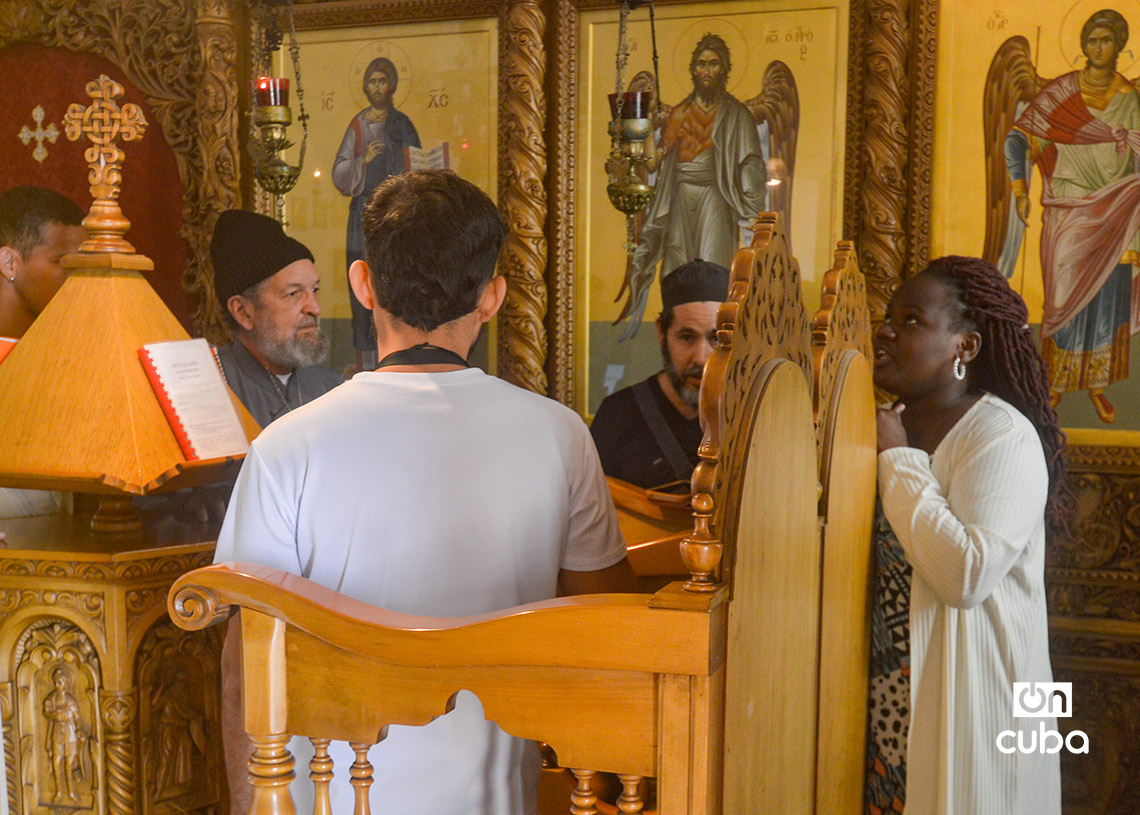
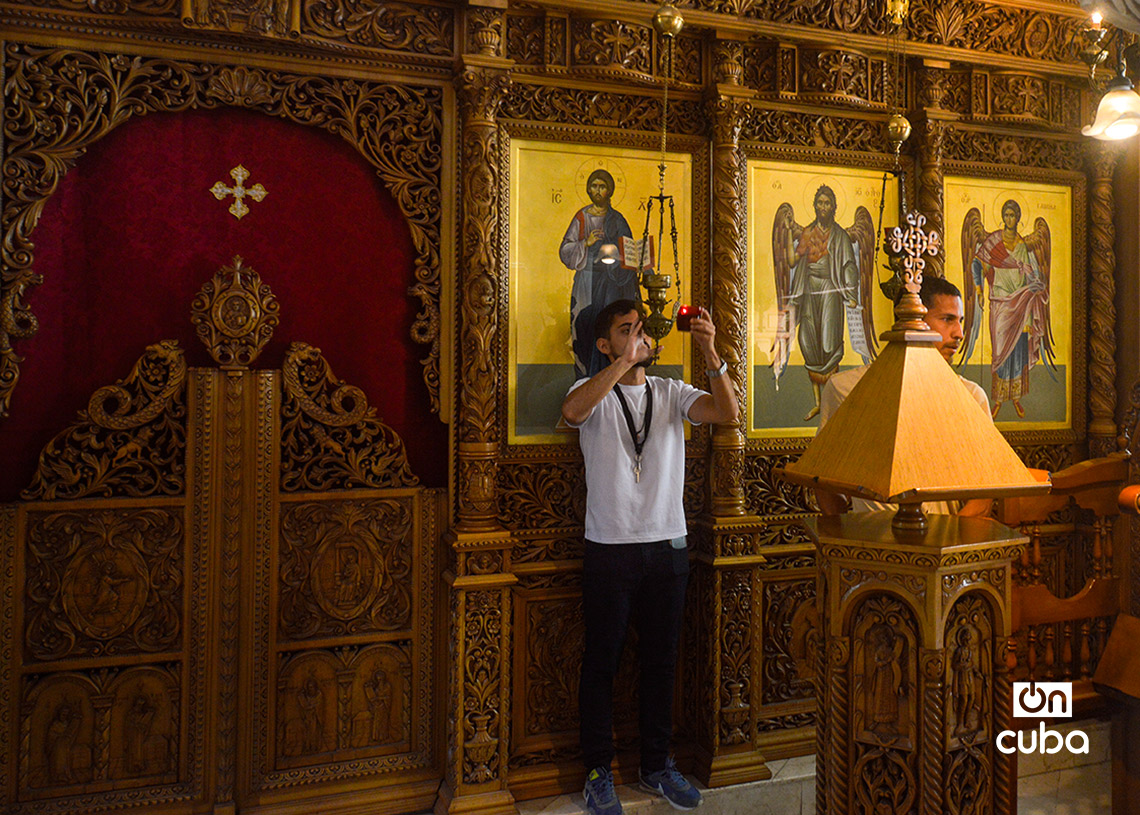
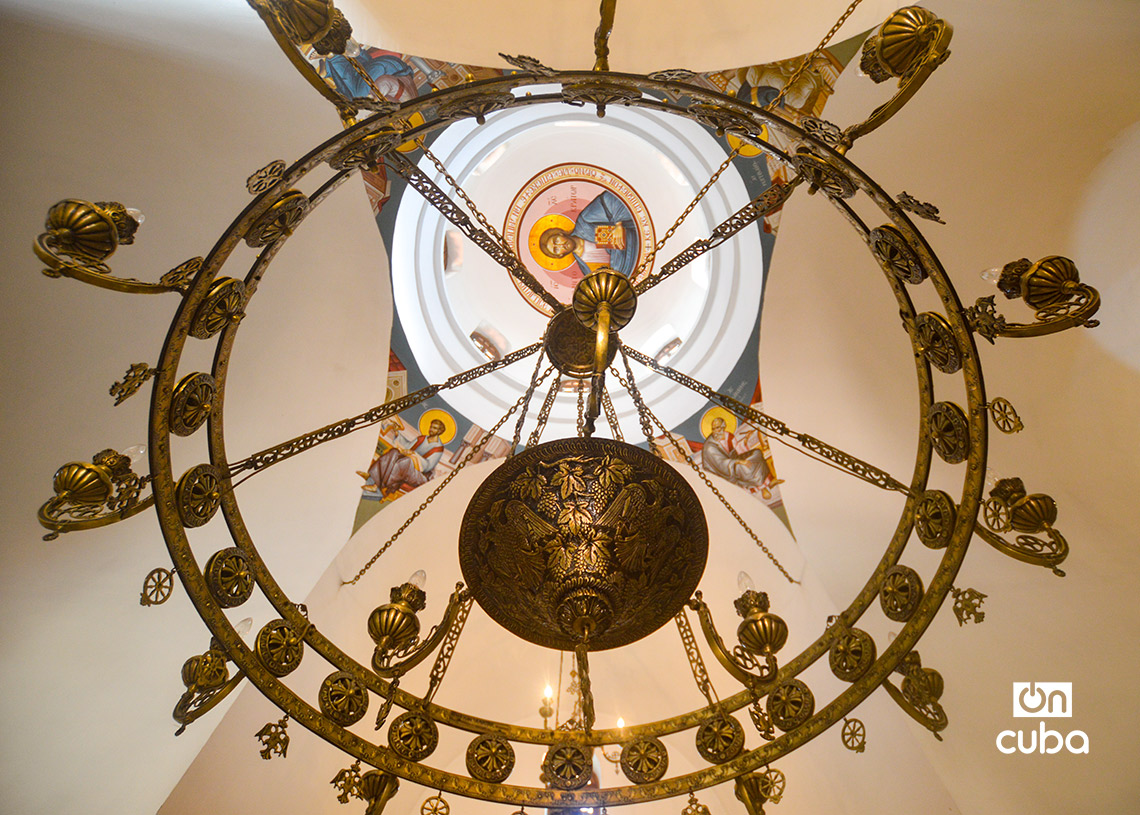
The Cathedral of Saint Nicholas of Myra was conceived for the local and international Greek Orthodox community, whether residing in or passing through Havana. It was built respecting the style and architectural norms of these churches, with barrel vaults constructed using traditional techniques and meticulous attention to detail in the domes, woodwork and iconography.
The project originated with the Havana City Historian’s Office, which, using sketches and images of Byzantine churches, developed the plans and carried out the construction with architects, engineers and students from the School-Workshop, in close collaboration with Greek experts.
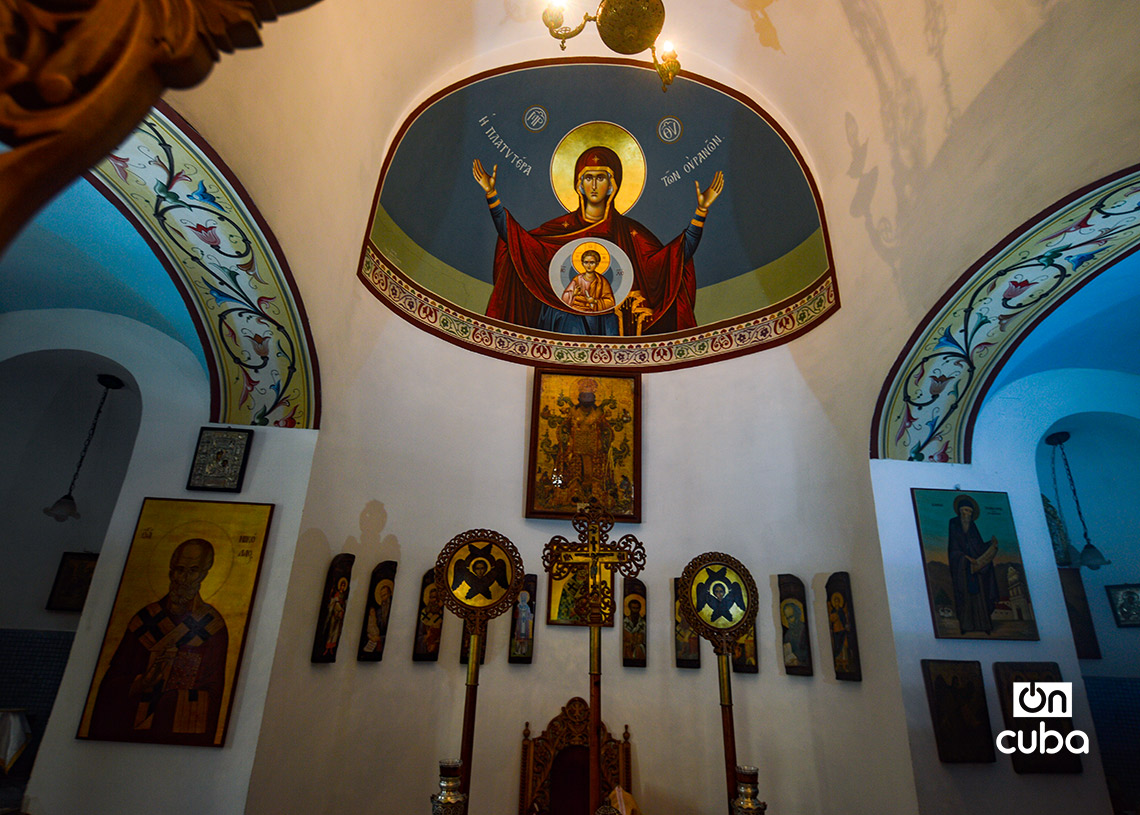
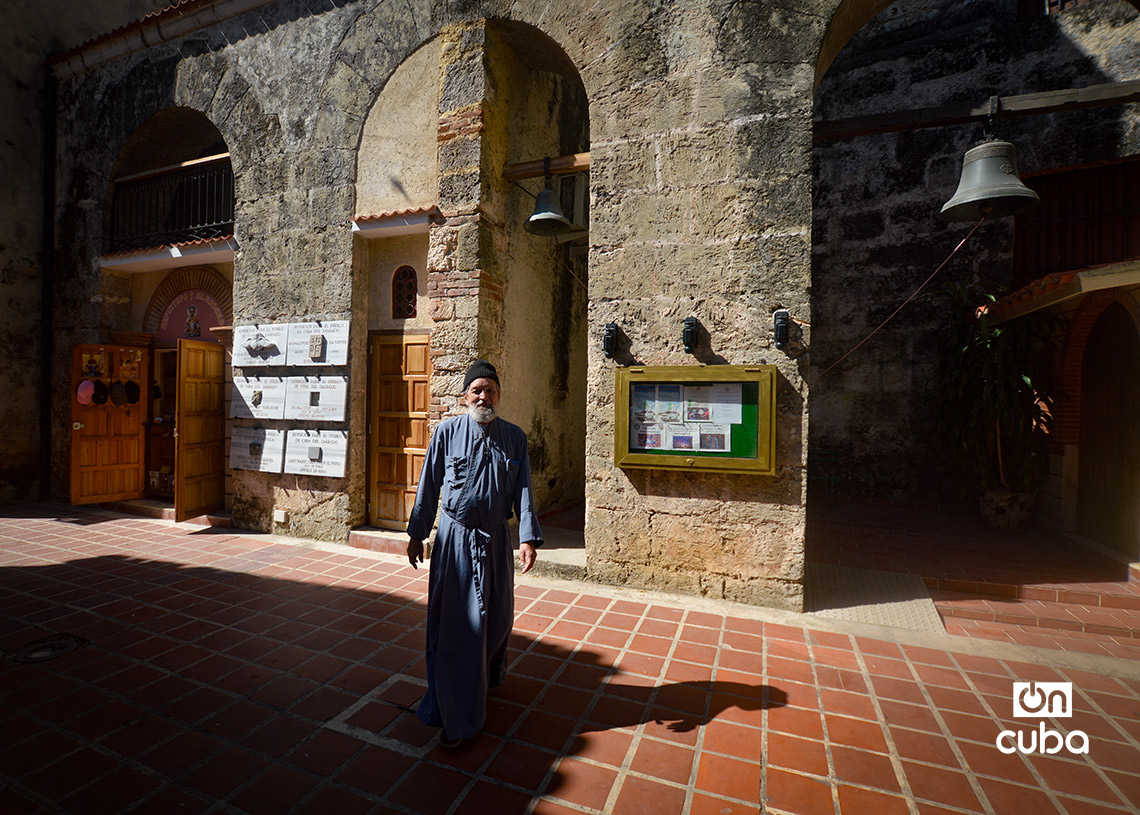
Consecrated on January 25, 2004, by Ecumenical Patriarch Bartholomew, in the presence of then-President Fidel Castro, historian Eusebio Leal and other Cuban authorities, the cathedral was integrated from the outset into the policy of intercultural dialogue that underpinned the Old Havana rehabilitation project.
Leal, who until his death was an active defender of heritage and a tireless promoter of humanism, saw in it a symbolic space to heal historical wounds and reaffirm the city as a meeting place of civilizations, now with the Byzantine tradition anchored alongside the old Catholic churches and facing the bay.
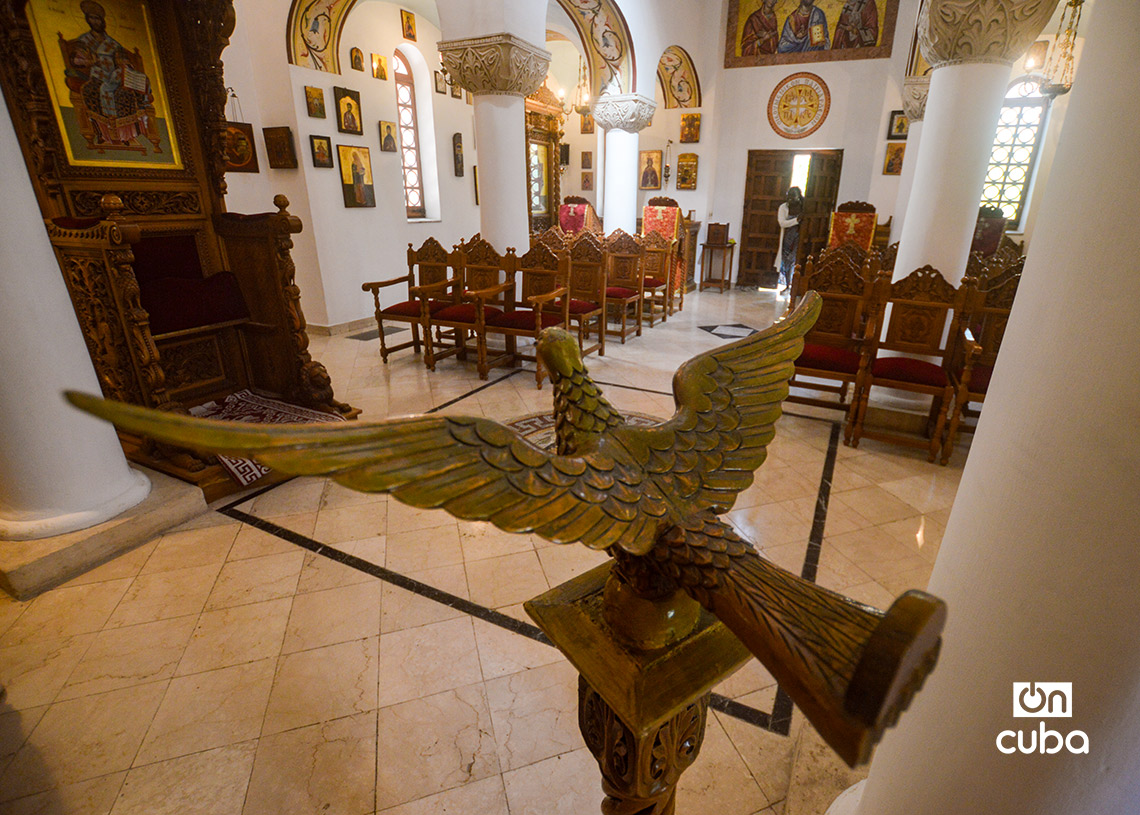
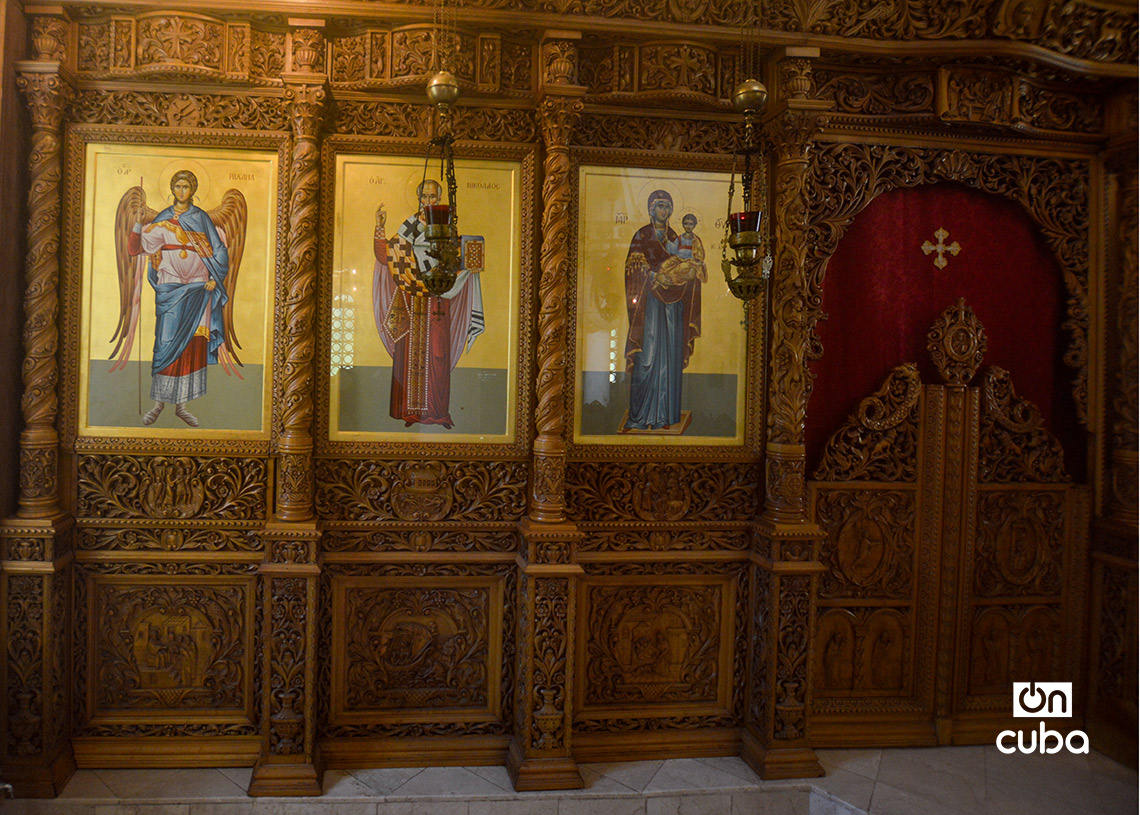
Two decades later, the Holy Cathedral of Saint Nicholas remains an active sanctuary, ennobled by liturgical objects and icons brought from distant places, serving as a meeting point for the Greek Orthodox community and opening its doors to visitors, even in a context marked by the prolonged crisis, blackouts and shortages suffered by the island.
In this complex setting, its carefully maintained and tranquil presence serves as a counterpoint: a space of order and memory in a largely precarious urban environment, where faith and architecture collaborate to offer a haven of spirituality and hope. This is precisely how photojournalist Otmaro Rodríguez reveals it to us through his images.