ES / EN
- February 1, 2026 -
No Result
View All Result
OnCubaNews
  • World
  • Cuba
  • Cuba-USA
  • Opinion
    • Columns
    • Infographic
  • Culture
    • Billboard
  • Sports
  • Styles / Trends
  • Media
  • Special
  • Cuban Flavors
  • World
  • Cuba
  • Cuba-USA
  • Opinion
    • Columns
    • Infographic
  • Culture
    • Billboard
  • Sports
  • Styles / Trends
  • Media
  • Special
  • Cuban Flavors
OnCubaNews
ES / EN
Home Magazine articles Architecture

Atarés Castle: From Spanish fortress to museum with works by Da Vinci

Although less famous than other colonial fortresses in Havana, it is a paradigmatic example of the military architecture of its time and today houses pieces designed by the Italian genius.

by
  • OnCuba Staff
    OnCuba Staff
February 12, 2025
in Architecture, Cuba
0
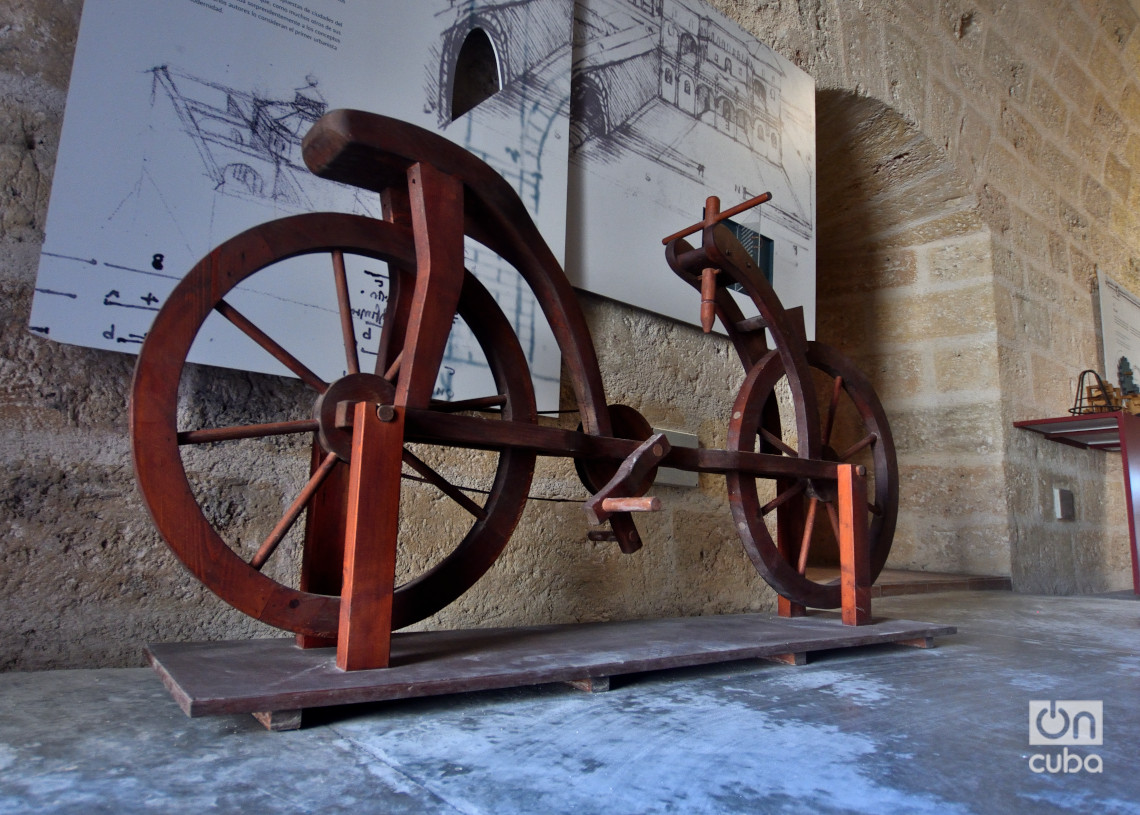
Atarés Castle: Leonardo Da Vinci's bicycle

A means of transportation similar to a bicycle, designed by Leonardo da Vinci, on display at Atarés Castle, in Havana. Photo: Otmaro Rodríguez.

In the vicinity of Havana Bay, and particularly the Atarés inlet, stands the castle of the same name. After more than two centuries of military use, the building was rehabilitated just a few years ago to become a museum.

Although less famous than other fortresses built by the Spanish to defend the Cuban capital — such as La Cabaña, La Fuerza or El Morro —, Atarés is a paradigmatic piece of that defensive system, an example of the military architecture of its time that has become an important heritage site in the city.
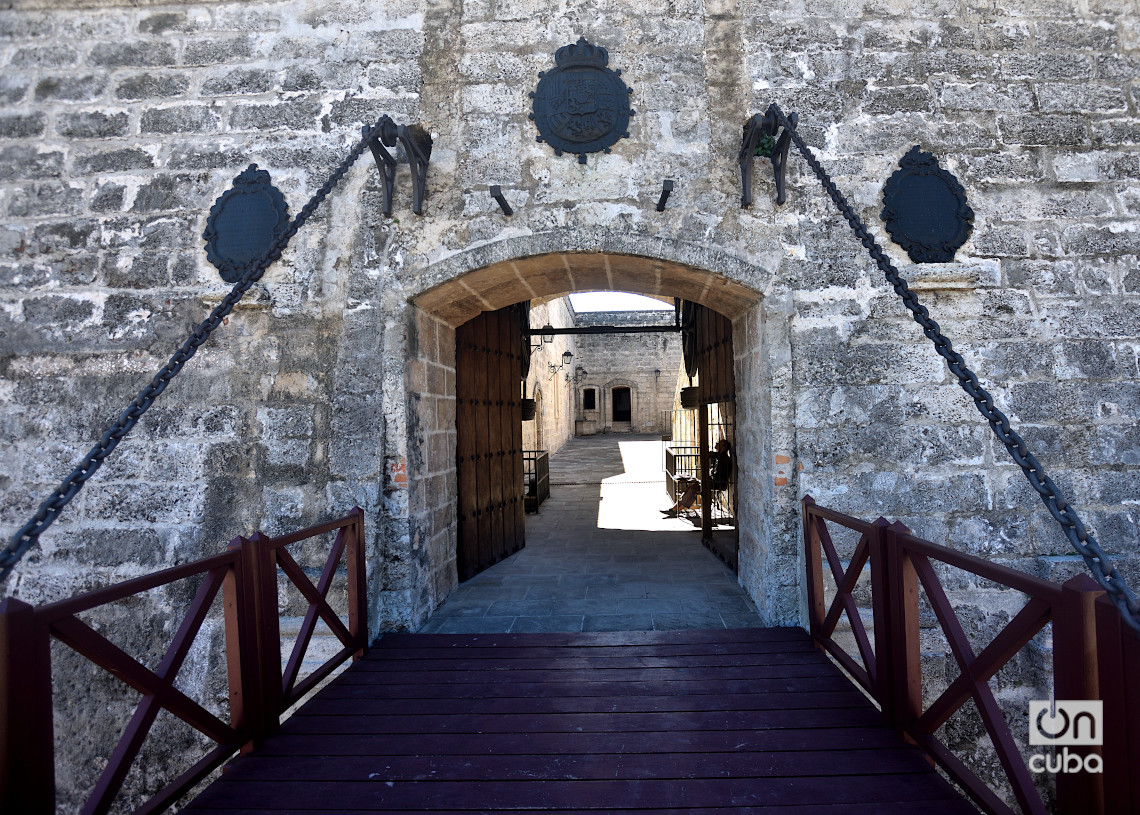
Bridge and entrance to the Santo Domingo de Atarés Castle, in Havana. Photo: Otmaro Rodríguez.

Completed in 1767, after the recovery of Havana by Spain following eleven months of British rule, the Santo Domingo de Atarés Castle owes its name to the Counts of Atarés. Some sources indicate that they were the parents of the then governor of Cuba, while others point out that they were the in-laws of the king’s engineer, Agustín Crame, who paid tribute to them in this way.

According to documents from the time, its construction was directed by the engineer Silvestre Abarca and included the intervention of Crame, of Belgian origin. It was built following the construction patterns of the 18th century, with an irregular hexagonal floor plan, without bastions and with hexagonal sentry boxes at its vertices.
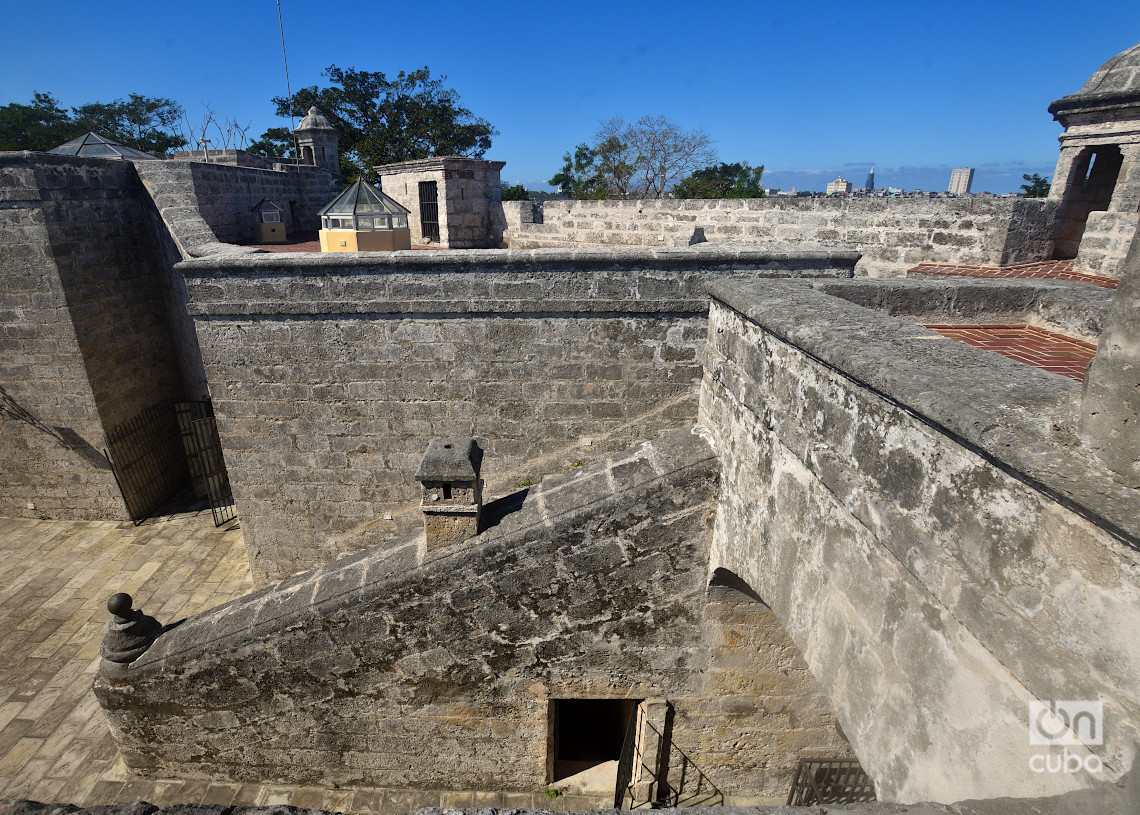
Upper part of the Santo Domingo de Atarés Castle, in Havana. Photo: Otmaro Rodríguez.

The castle is surrounded by a moat and has a small central parade ground, surrounded by several fortified buildings for the accommodation of troops, storing food and weapons, and for other services necessary for its operation.

On its roofs there were about twenty cannons, while its location, in the absence of a hill also prepared by the builders, made it very difficult for the enemy to climb or besiege. Although ships could reach the inlet, they could not reach the castle directly.
Related Posts

Oil tanker in Havana Bay. Oil to Cuba

U.S. says it will allow Mexico to continue supplying oil to Cuba

January 14, 2026
War armor, part of the Japanese collection

Japan’s imprint in Cuba

January 12, 2026

Following the traces of John Taylor: a family trip to the heart of Cuban baseball

January 8, 2026
Havana Malecón. Cuba

A bit of certainty

January 6, 2026
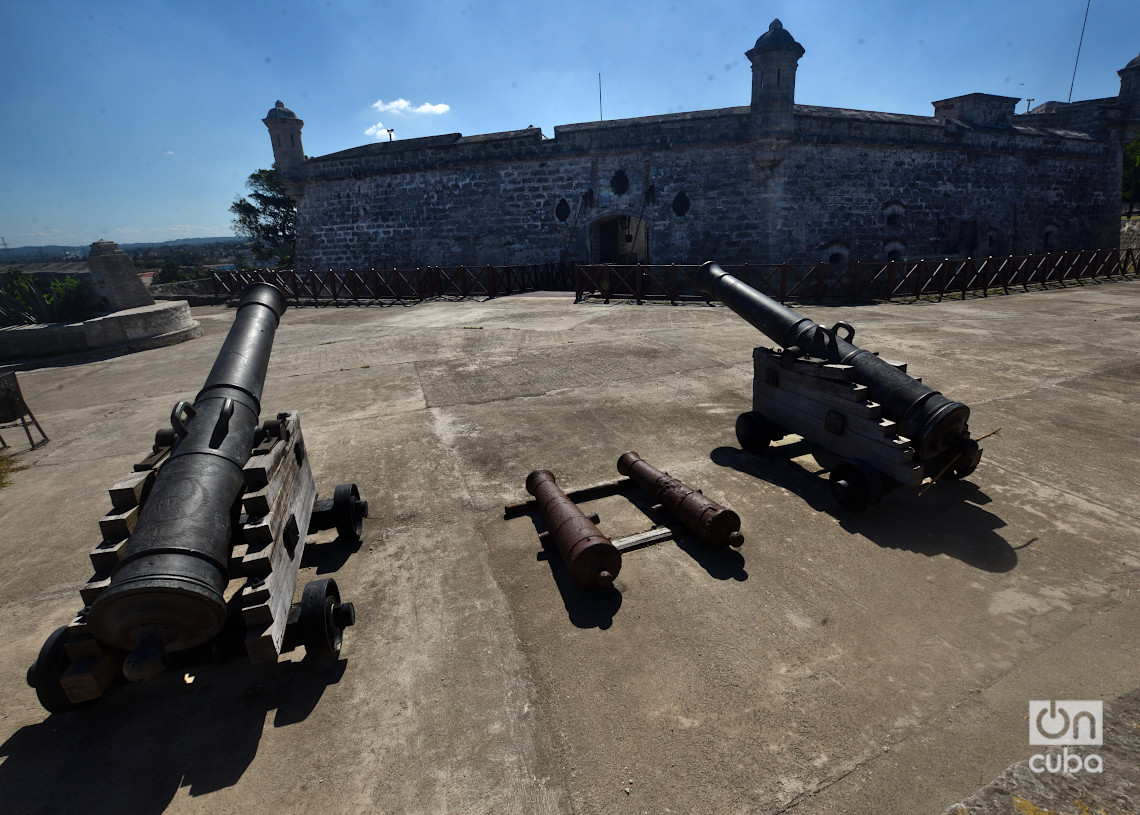
Cannons at the entrance to the Santo Domingo de Atarés Castle, in Havana. Photo: Otmaro Rodríguez.

The Atarés Castle never saw combat during the colonial period. After the arrival of the republic, it continued to have military functions and was the headquarters of the presidential guard. It was also used as a prison and was the scene of murders and torture during the dictatorship of Gerardo Machado.

After Machado’s fall, on November 8, 1933, it was occupied by elements opposed to the government of then President Ramón Grau San Martín. In response, it was bombed by land and sea by forces of the Cuban army and navy, in the main war episode in its history.
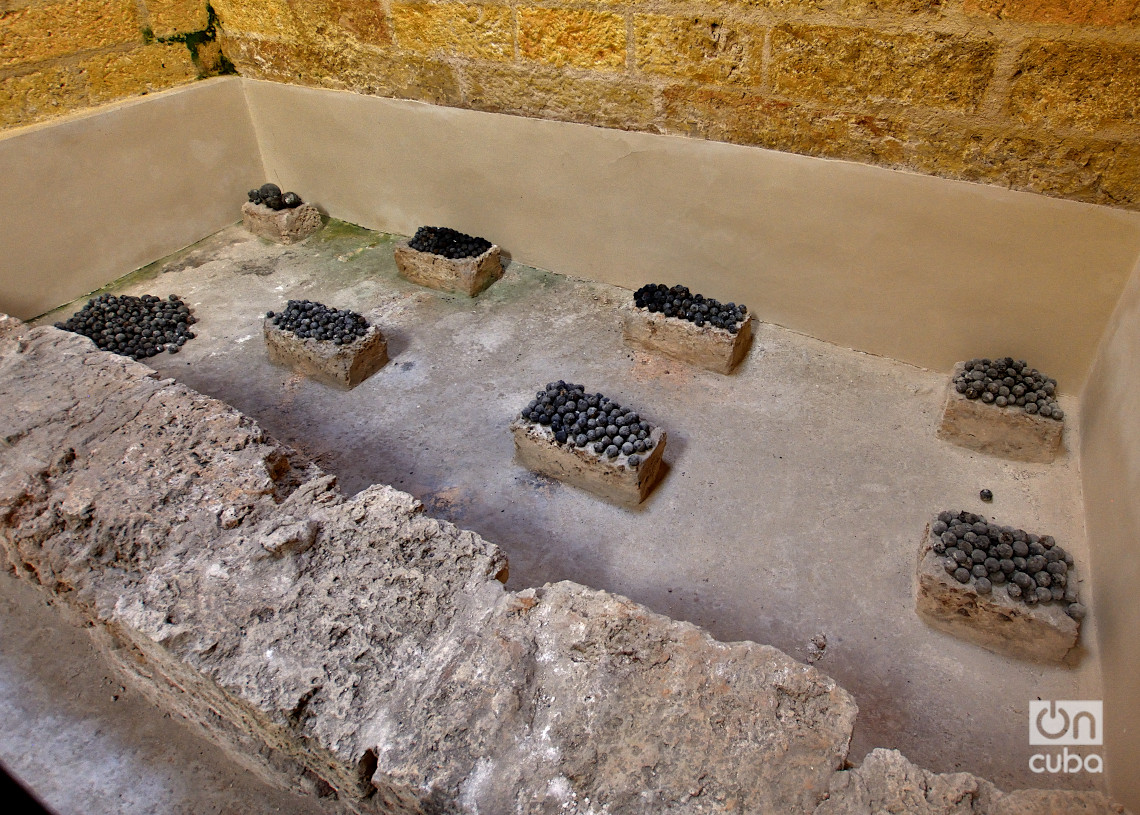
Powder magazine at the Santo Domingo de Atarés Castle, in Havana. Photo: Otmaro Rodríguez.

For many years, until after 1959, the Atarés Castle remained in the hands of the army and underwent modifications. Finally, in 2013 it was handed over to the Office of the Historian of Havana “in a fairly advanced depauperating state, very damaged by the number of additions and elements foreign to the fortress,” according to engineer Néstor Sad Rodríguez.

Then, a process of restoration and rehabilitation began, with Italian cooperation, which required in-depth historical and archaeological research. During the works, original elements were rescued, necessary facilities were added, and historical vestiges and even human remains were found.
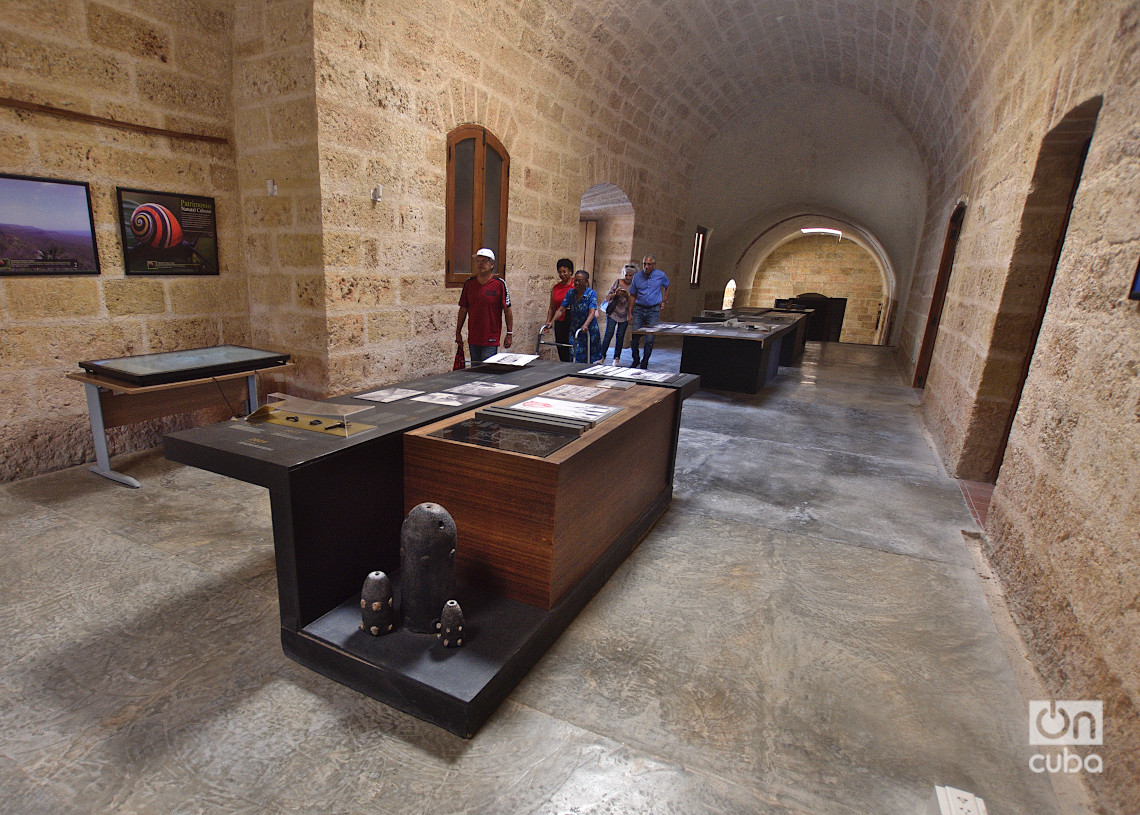
Archaeology room at the Atarés Castle, in Havana. Photo: Otmaro Rodríguez.

Finally, already restored, the Atarés Castle reopened its doors in November 2019, as part of the celebrations for Havana’s 500 years. At its inauguration, the remembered city historian Eusebio Leal made one of his last public appearances, being the main speaker at the event a few months before he passed away.

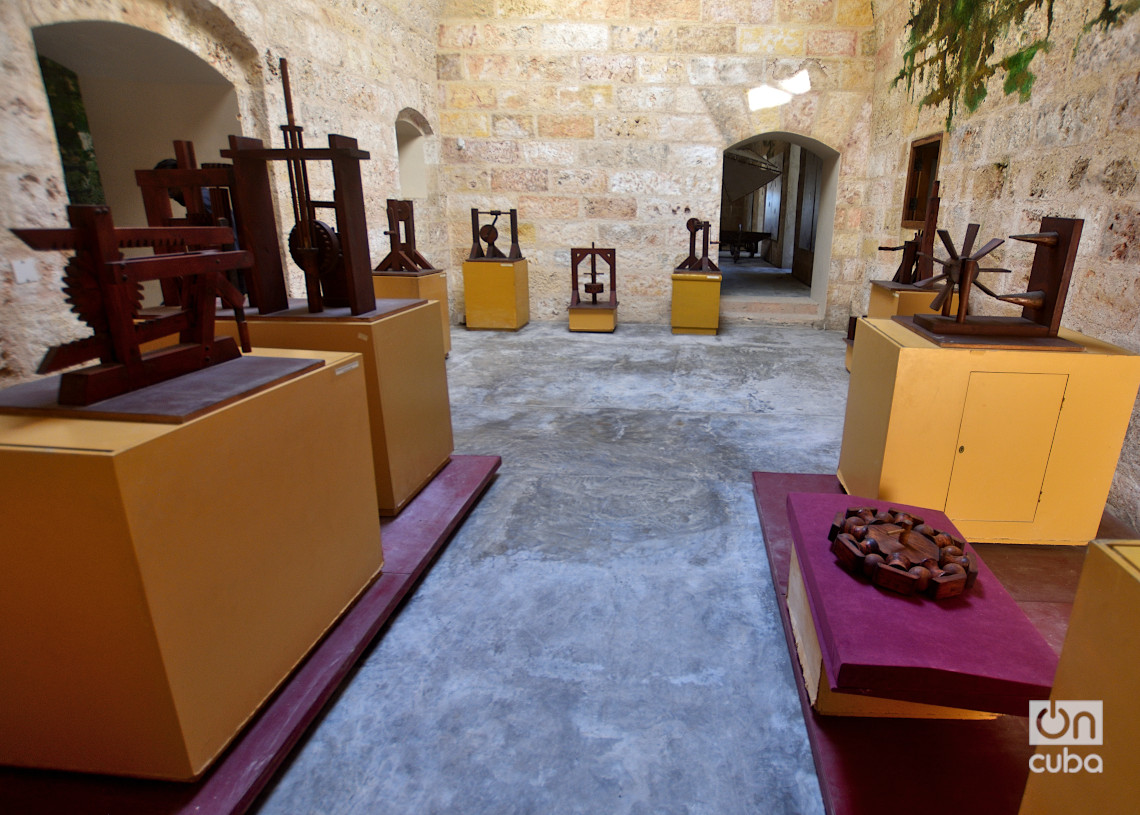
After its reopening, the castle has functioned as a museum in which the history of the site itself is shown to the public. Added to this are works by Leonardo da Vinci, donated by Italy and linked to military, fortification and engineering themes. This gives it a distinction within the Havana museum system. This Sunday we were able to see it inside thanks to the lens of our photojournalist Otmaro Rodríguez.
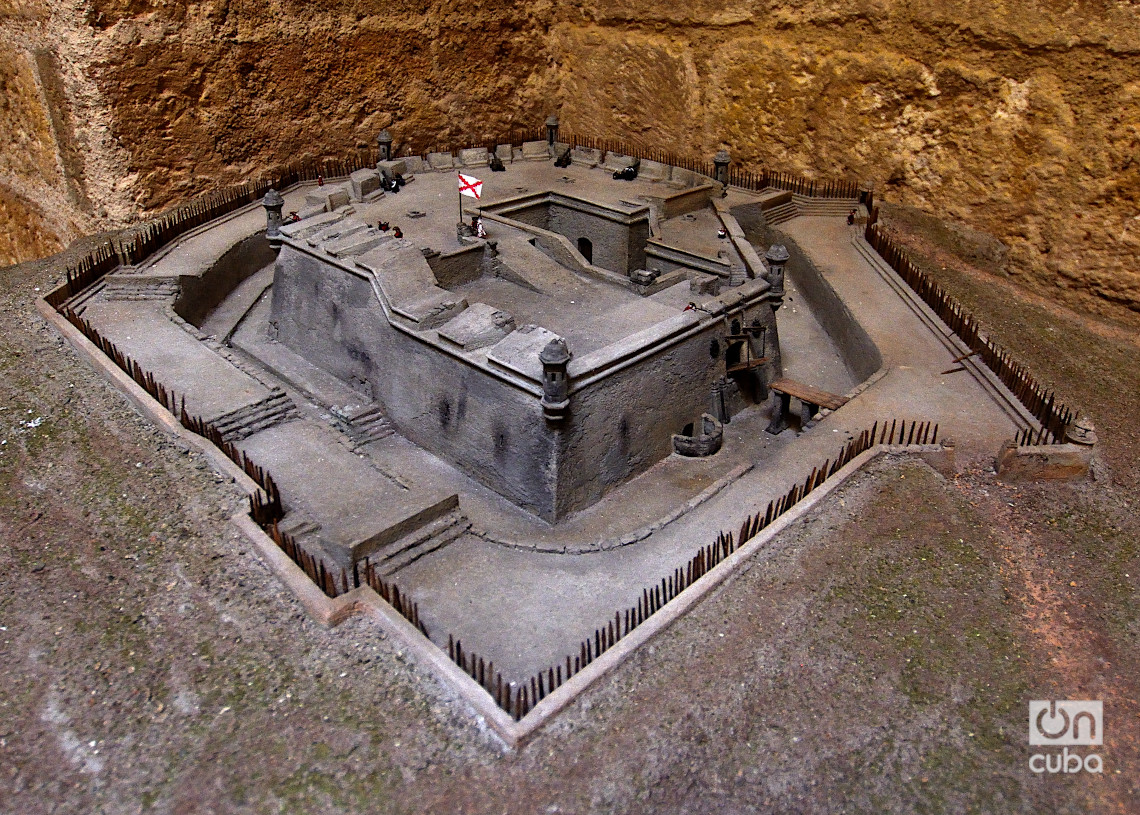
Model of the Santo Domingo de Atarés Castle, in Havana, displayed in the fortress itself. Photo: Otmaro Rodríguez.

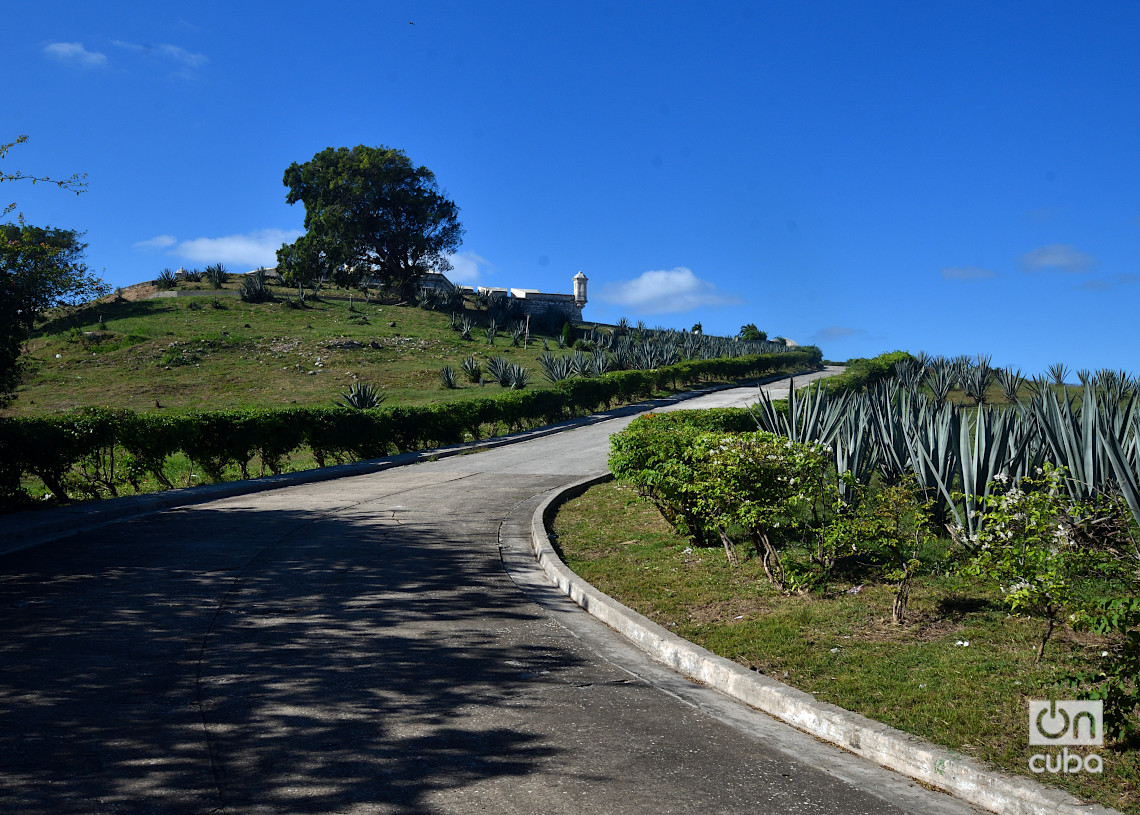
Path leading to the Santo Domingo de Atarés Castle, in Havana. Photo: Otmaro Rodríguez.


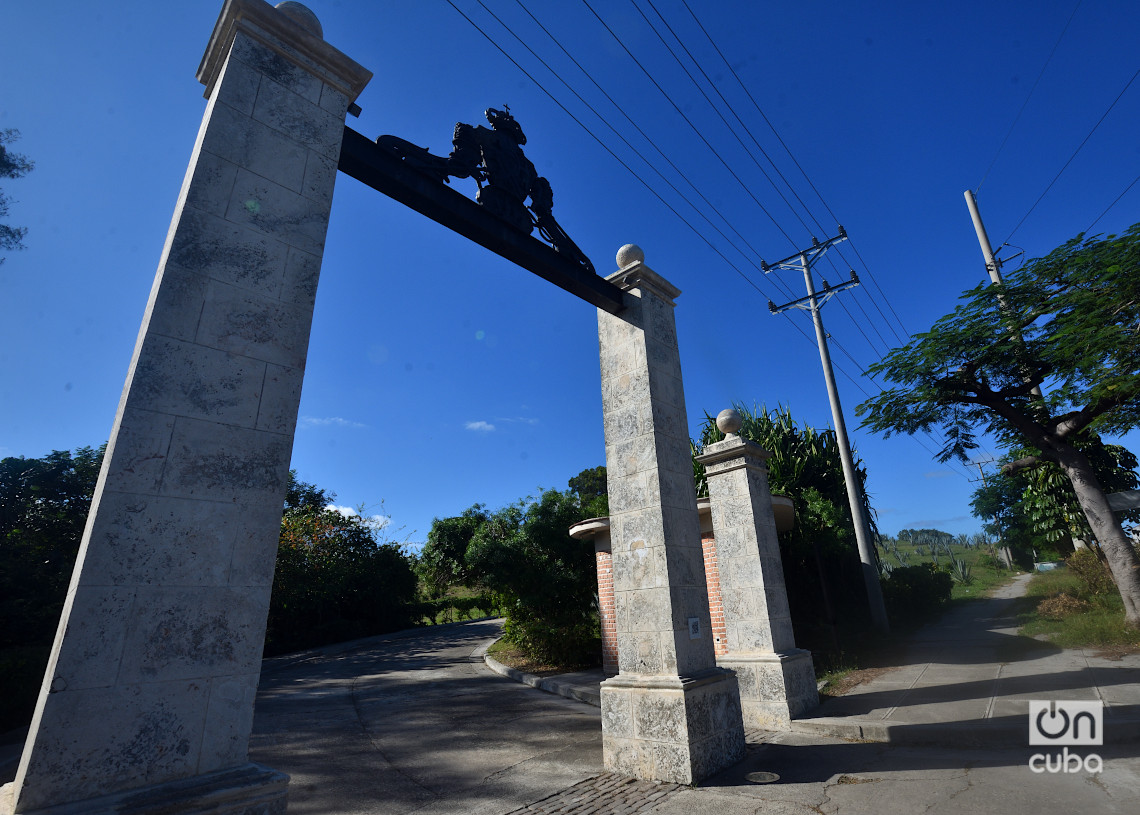
Portico at the entrance to the Santo Domingo de Atarés Castle, in Havana. Photo: Otmaro Rodríguez.


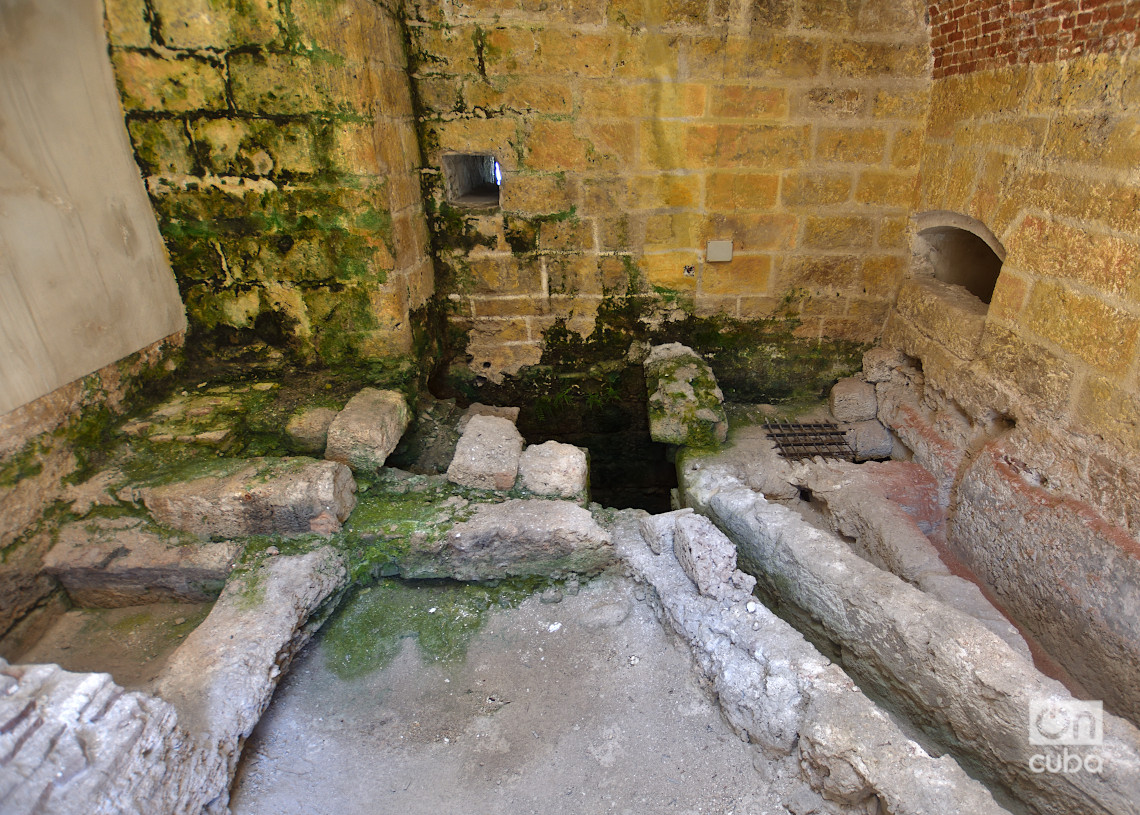
This area of ​​the Atarés Castle was a service area and a network of canals. Photo: Otmaro Rodríguez.
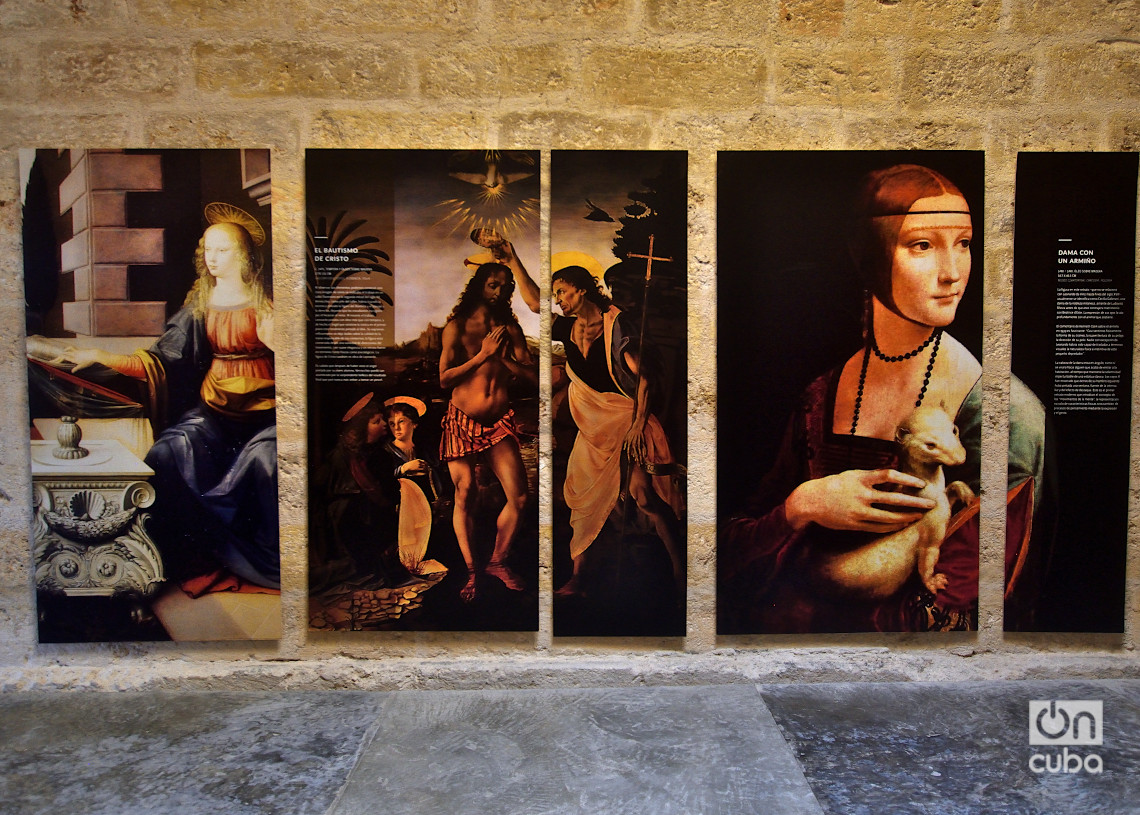
Replicas of Leonardo da Vinci paintings at the Atarés Castle: “The Annunciation,” “The Baptism of Christ” and “The Lady with an Ermine.” Photo: Otmaro Rodríguez.
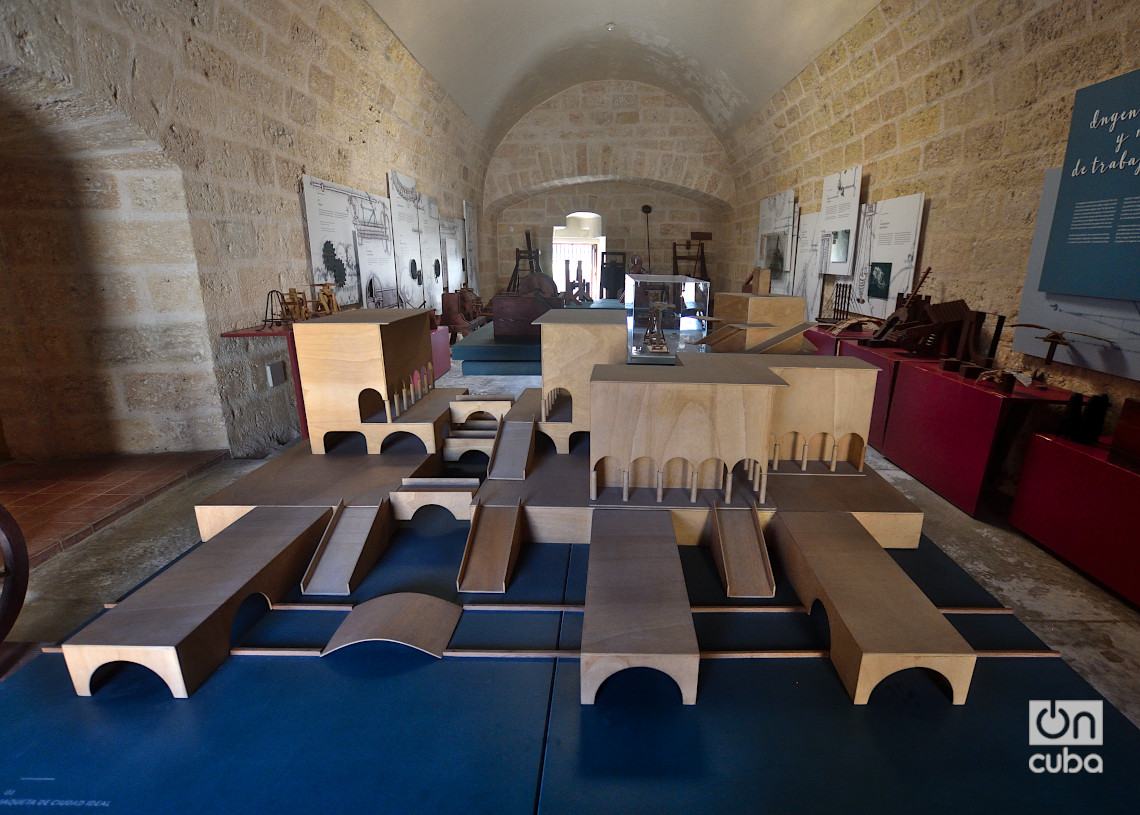
“The ideal city” designed by Leonardo da Vinci, on display at the Atarés Castle. Photo: Otmaro Rodríguez.
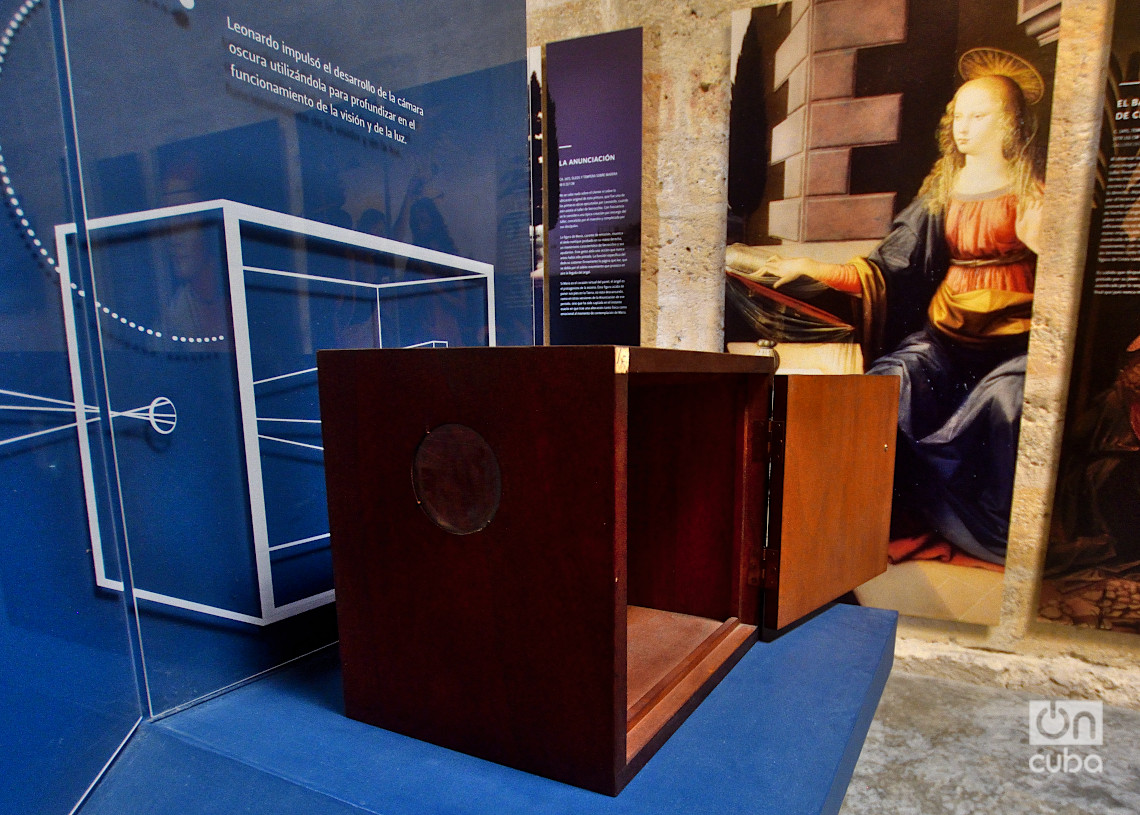
Study for the development of the camera obscura, by Da Vinci. Photo: Otmaro Rodríguez.
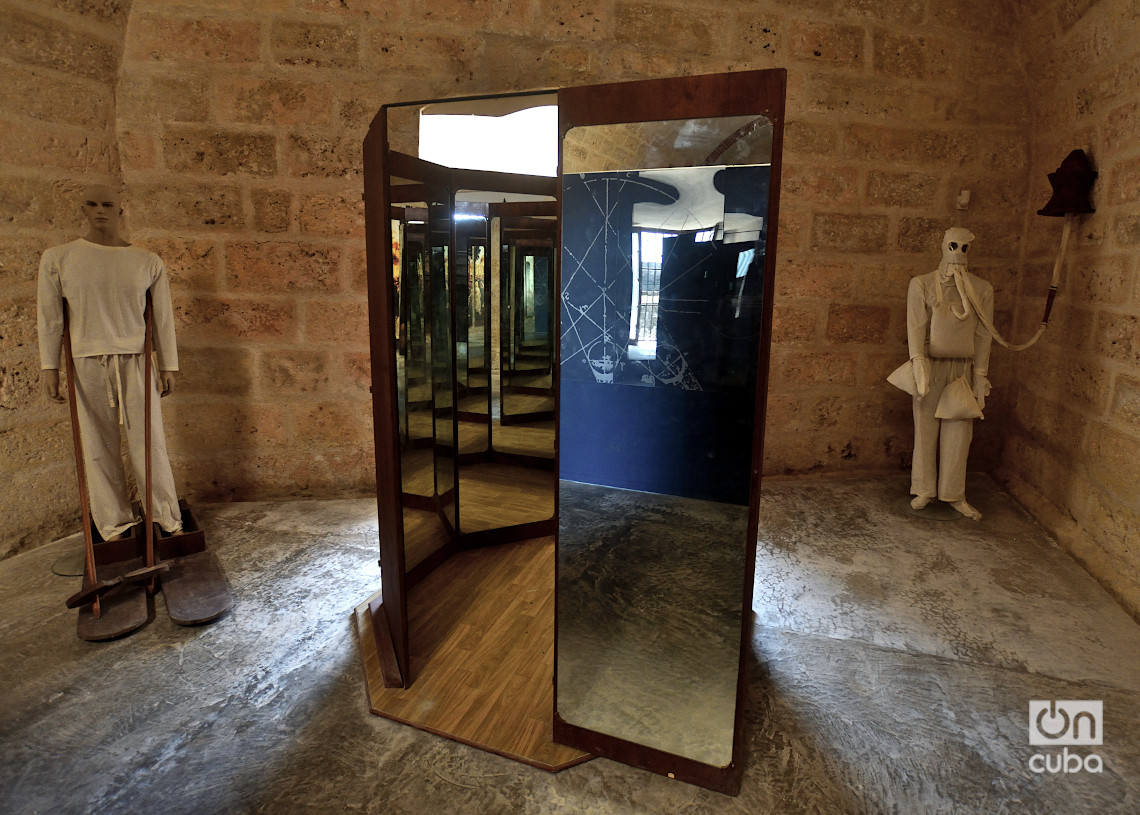
Chamber of mirrors, machine that is part of the study carried out by Da Vinci in the field of optics. Photo: Otmaro Rodríguez.
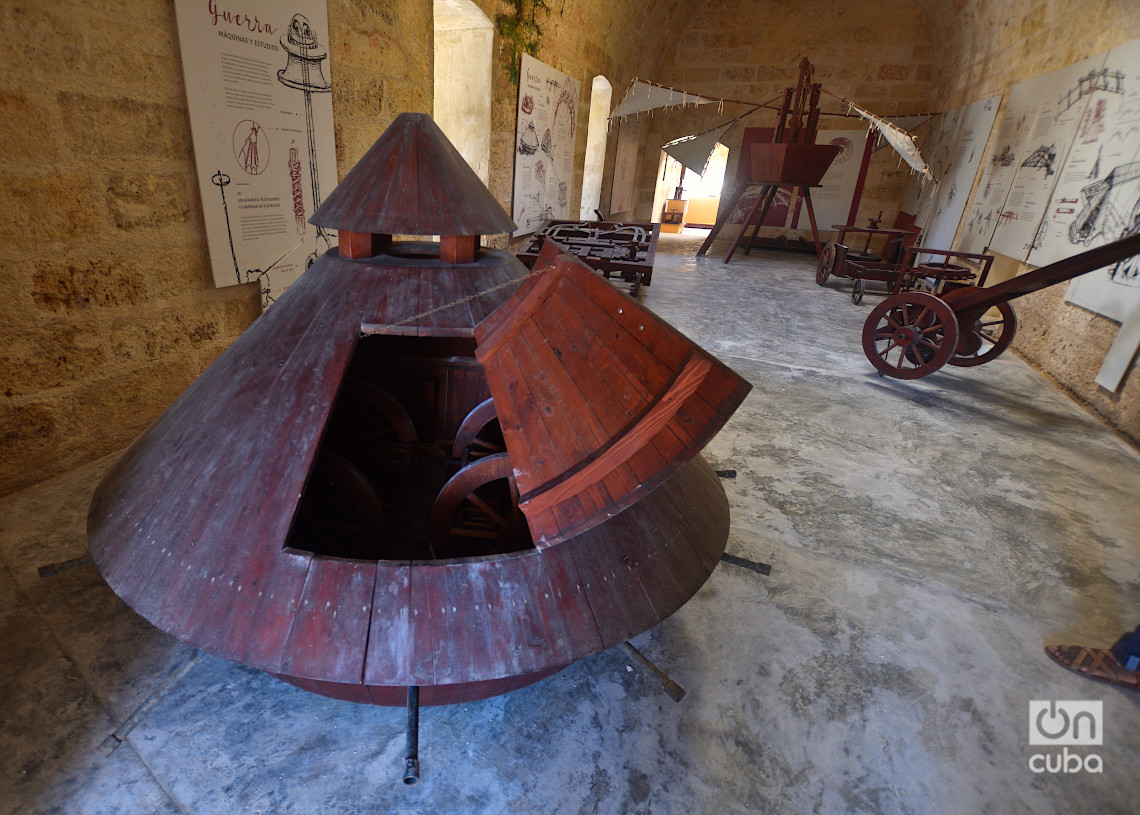
Combat tank designed by Leonardo da Vinci, on display at the Atarés Castle. Photo: Otmaro Rodríguez.
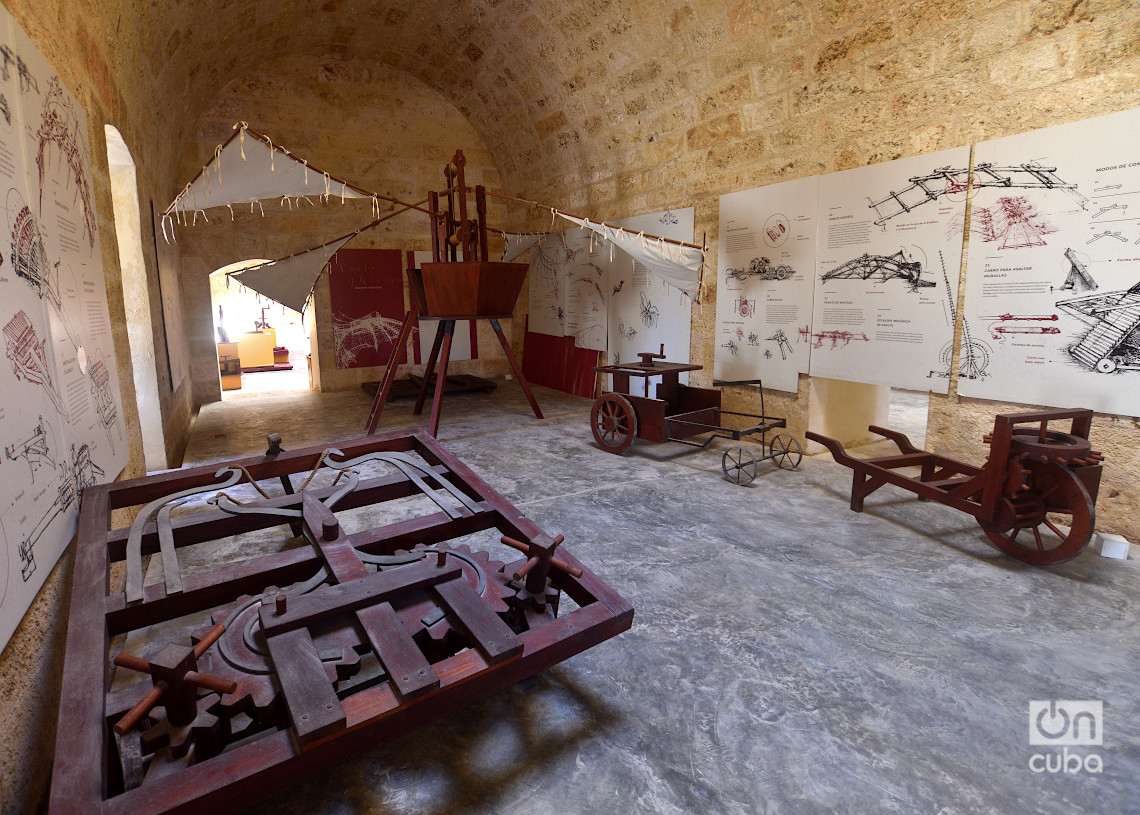
Flying machines and combat weapons created by Da Vinci between the 15th and 16th centuries. Photo: Otmaro Rodríguez.
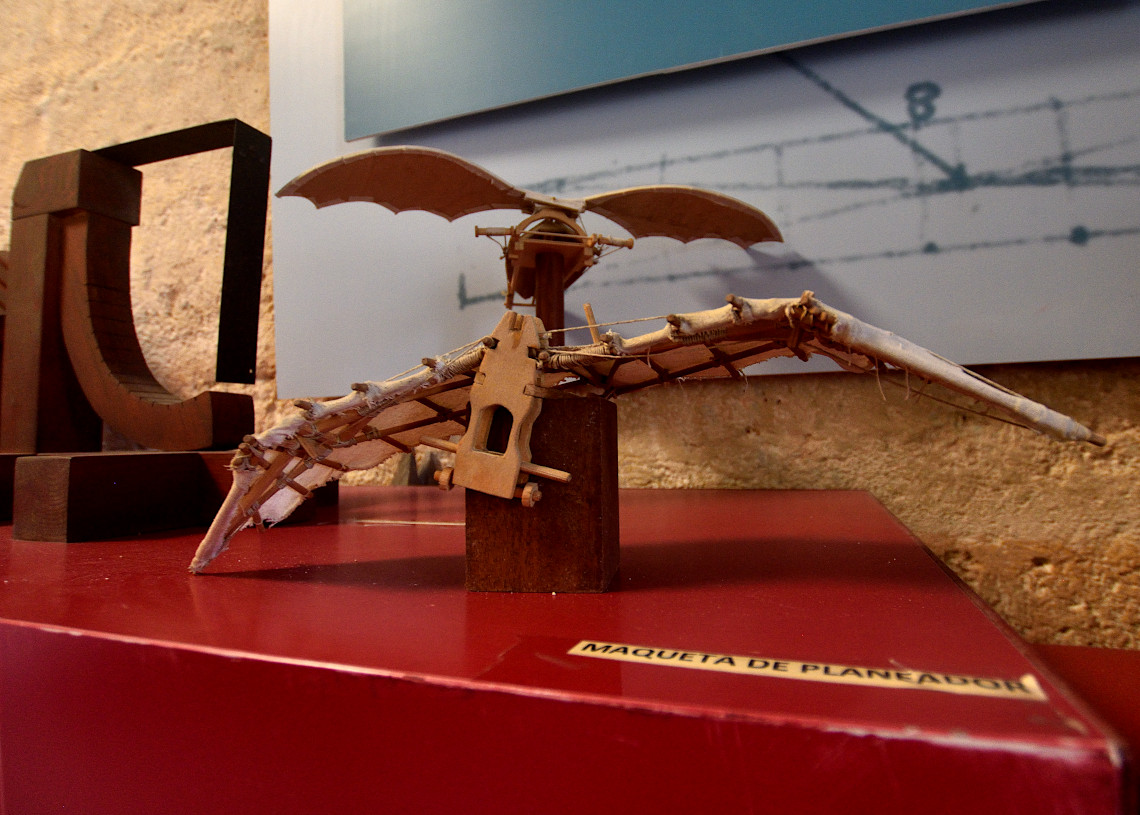
Model of the glider designed by Leonardo da Vinci, on display at the Atarés Castle. Photo: Otmaro Rodríguez.
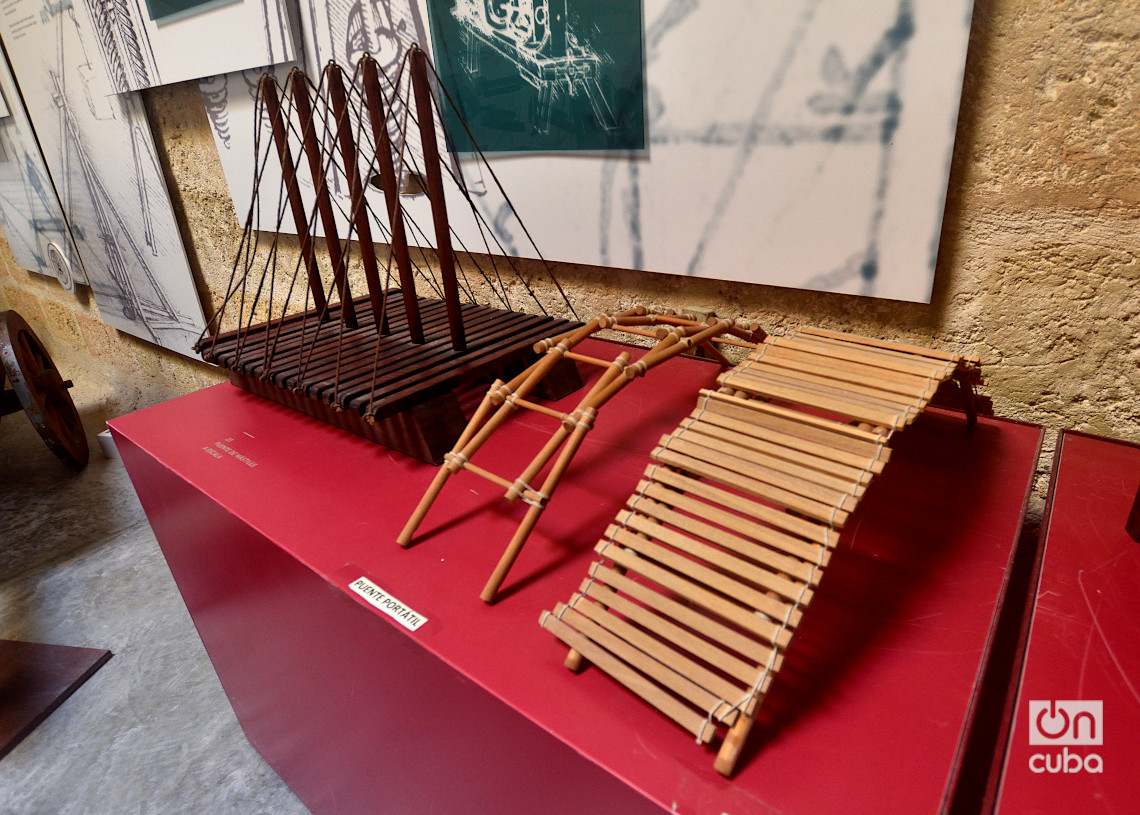
Bridges designed by Leonardo da Vinci, on display at the Atarés Castle. Photo: Otmaro Rodríguez.
Steam cannon designed by Leonardo da Vinci, on display at the Atarés Castle. Photo: Otmaro Rodríguez.
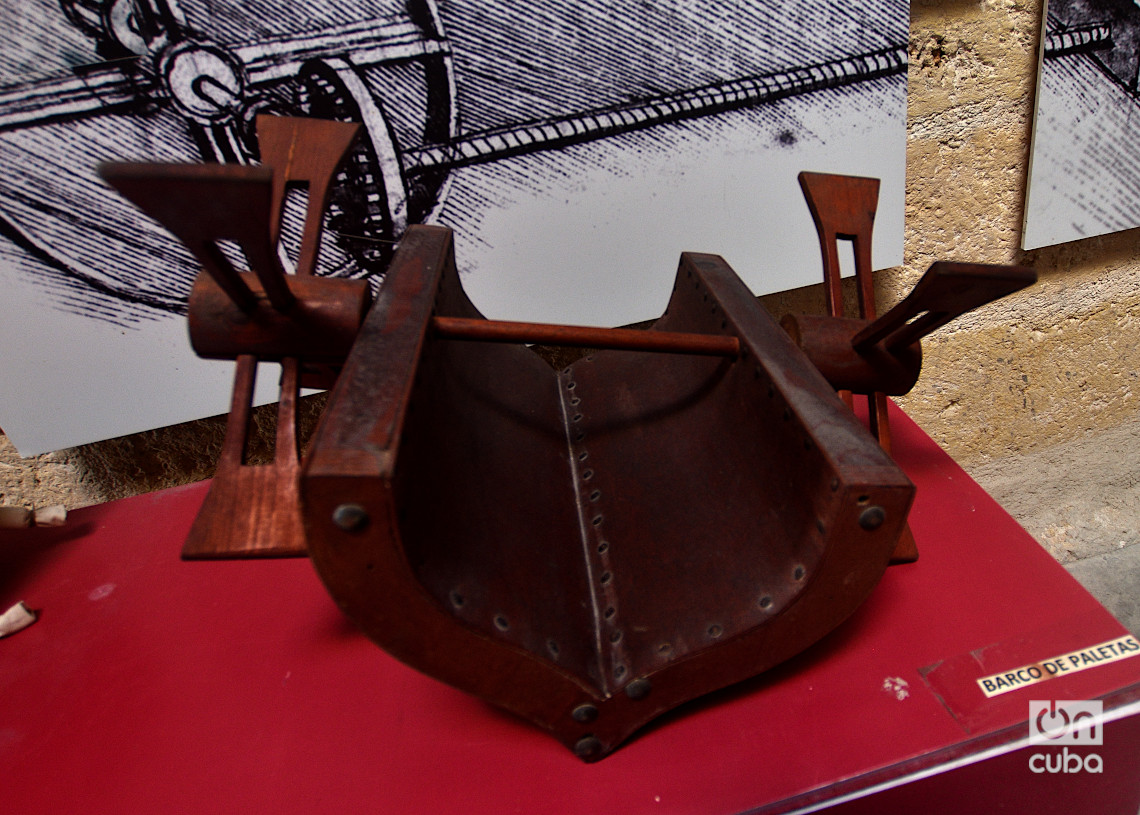
Paddle boat designed by Leonardo da Vinci, on display at the Atarés Castle. Photo: Otmaro Rodríguez.
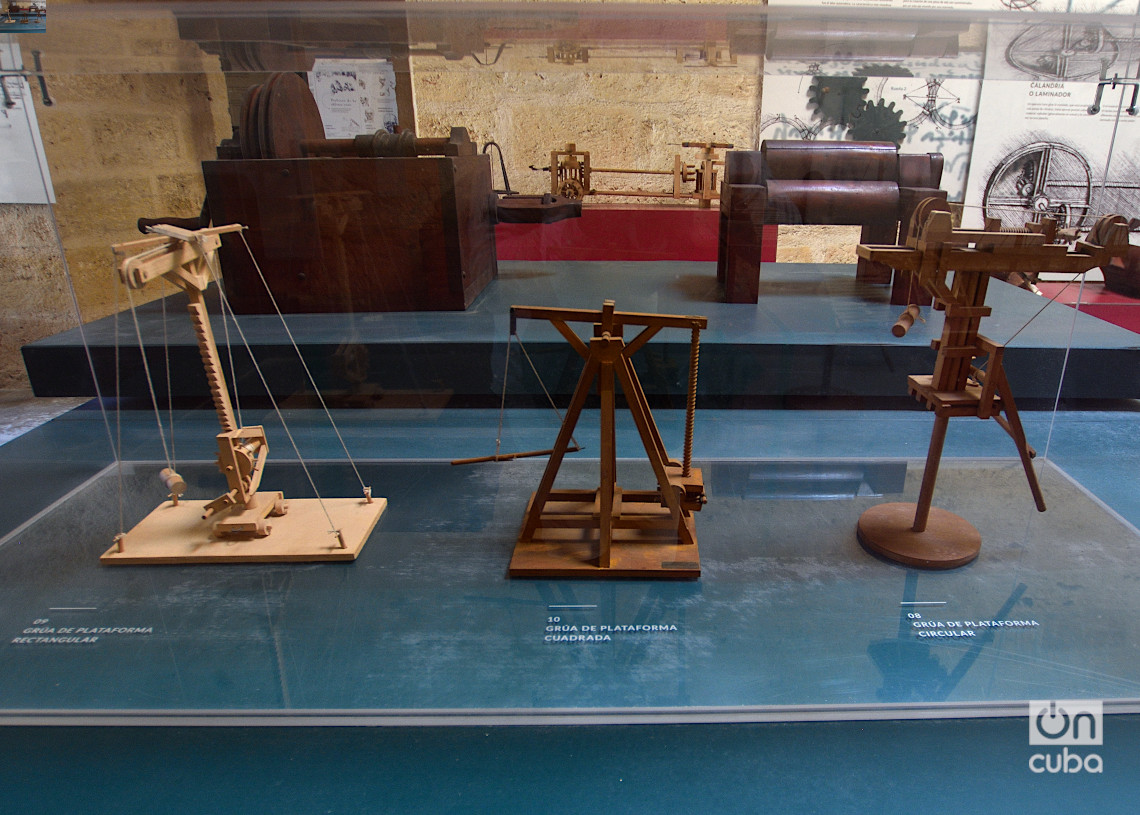
Cranes designed by Leonardo da Vinci, on display at the Atarés Castle. Photo: Otmaro Rodríguez.
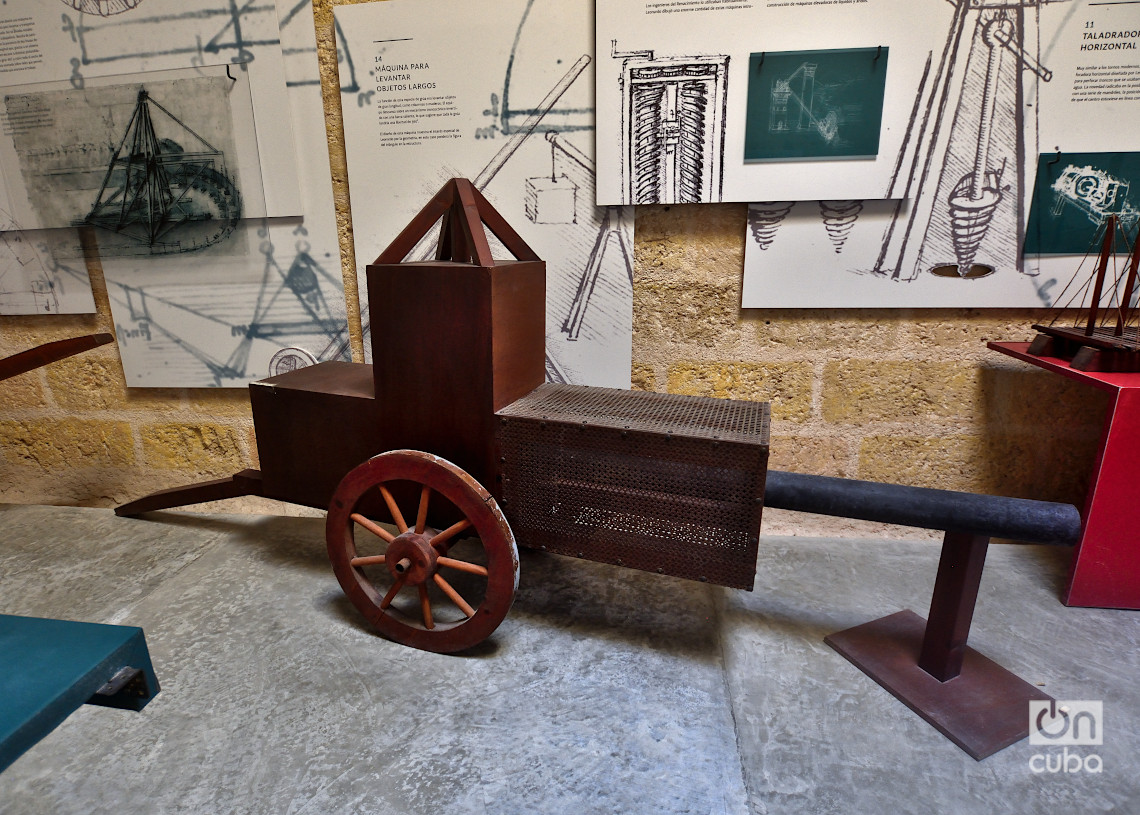
Excavator designed by Leonardo da Vinci, on display at the Atarés Castle. Photo: Otmaro Rodríguez.
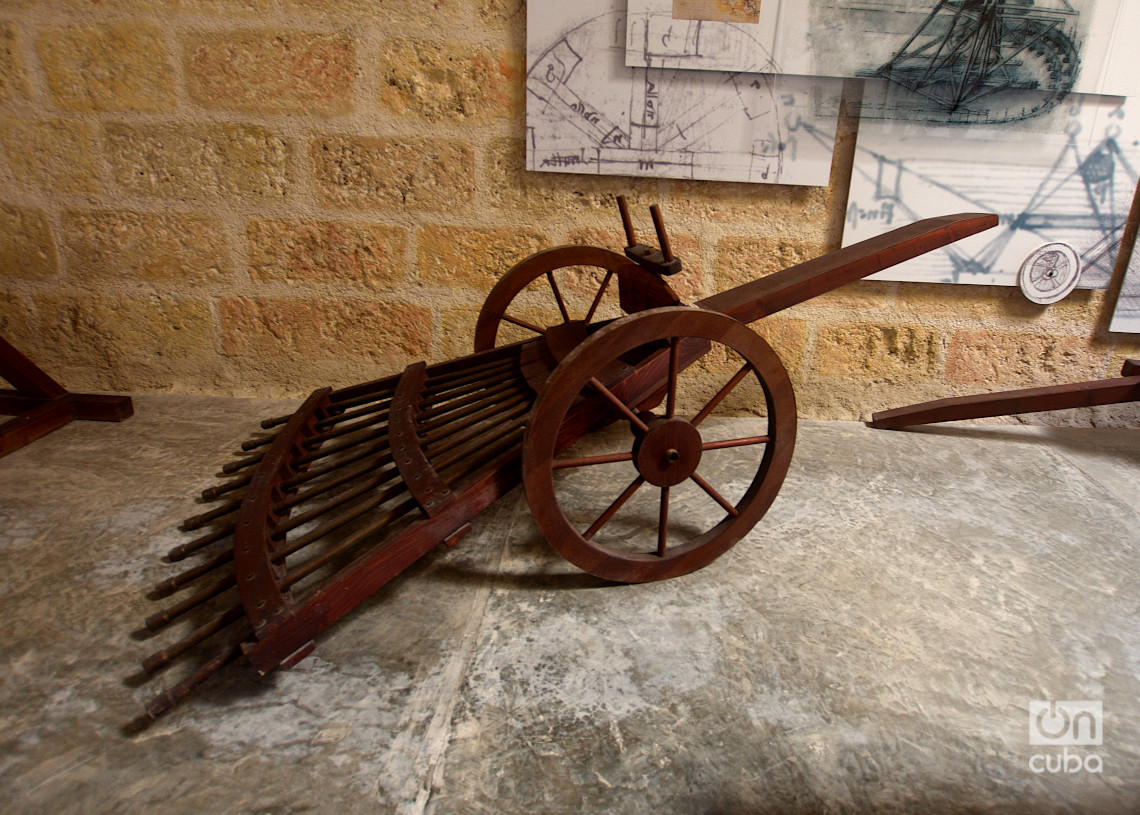
Room with pieces for the study of Da Vinci’s transmission of movement, at the Atarés Castle. Photo: Otmaro Rodríguez.


  • OnCuba Staff
    OnCuba Staff
Tags: architecture havanafeaturedLeonardo Da Vinci
Previous Post

Foreign Ministry regrets suspension of remittances to Cuba through Western Union: “It was coming”

Next Post

John F. Kennedy, Fidel Castro and the story of what could have been

OnCuba Staff

OnCuba Staff

Next Post
Photo: OC

John F. Kennedy, Fidel Castro and the story of what could have been

Mauricio Claver-Carone. Photo: Latam FDI.

Trump’s special envoy for Latin America talks about “very creative” measures against the Cuban government

Yoandri Betanzos achieved multiple successes in world competitions as a representative of the Cuban athletics team in triple jump. Photo: Jorge Luis Coll Untoria.

Yoandri Betanzos: “The Cuban triple jump school is the best in the world”

Leave a Reply Cancel reply

The conversation here is moderated according to OnCuba News discussion guidelines. Please read the Comment Policy before joining the discussion.

Your email address will not be published. Required fields are marked *

Most Read

  • The Enchanted Shrimp of the Cuban Dance

    5010 shares
    Share 2004 Tweet 1253
  • U.S. actress Susan Sarandon praises Cuban vaccines and calls for end of embargo against the island

    128 shares
    Share 51 Tweet 32
  • Venezuela today: scenarios and urgent challenges for the Cuban economy

    17 shares
    Share 7 Tweet 4
  • U.S. says it will allow Mexico to continue supplying oil to Cuba

    29 shares
    Share 12 Tweet 7
  • Camajuaní: Land of Traditions and Parrandas

    29 shares
    Share 12 Tweet 7

Most Commented

  • Havana Malecón. Cuba

    A bit of certainty

    12 shares
    Share 5 Tweet 3
  • Cuba in the Venezuelan Mirror: When Postponing Decisions Is No Longer an Option

    41 shares
    Share 16 Tweet 10
  • 2025: What remains, what was left, what’s in store for the Cuban economy

    55 shares
    Share 22 Tweet 14
  • Between paper and embroidery, María Paula focuses on sustainable beauty

    17 shares
    Share 7 Tweet 4
  • About us
  • Work with OnCuba
  • Terms of use
  • Privacy Policy
  • Moderation policy for comments
  • Contact us
  • Advertisement offers

OnCuba and the OnCuba logo are registered® trademarks of Fuego Enterprises, Inc., its subsidiaries or divisions.
OnCuba © by Fuego Enterprises, Inc. All Rights Reserved.

No Result
View All Result
  • World
  • Cuba
  • Cuba-USA
  • Opinion
    • Columns
    • Infographic
  • Culture
    • Billboard
  • Sports
  • Styles / Trends
  • Media
  • Special
  • Cuban Flavors

OnCuba and the OnCuba logo are registered® trademarks of Fuego Enterprises, Inc., its subsidiaries or divisions.
OnCuba © by Fuego Enterprises, Inc. All Rights Reserved.

Manage Consent
To provide the best experiences, we use technologies like cookies to store and/or access device information. Consenting to these technologies will allow us to process data such as browsing behavior or unique IDs on this site. Not consenting or withdrawing consent, may adversely affect certain features and functions.
Functional Always active
The technical storage or access is strictly necessary for the legitimate purpose of enabling the use of a specific service explicitly requested by the subscriber or user, or for the sole purpose of carrying out the transmission of a communication over an electronic communications network.
Preferences
The technical storage or access is necessary for the legitimate purpose of storing preferences that are not requested by the subscriber or user.
Statistics
The technical storage or access that is used exclusively for statistical purposes. The technical storage or access that is used exclusively for anonymous statistical purposes. Without a subpoena, voluntary compliance on the part of your Internet Service Provider, or additional records from a third party, information stored or retrieved for this purpose alone cannot usually be used to identify you.
Marketing
The technical storage or access is required to create user profiles to send advertising, or to track the user on a website or across several websites for similar marketing purposes.
Manage options Manage services Manage {vendor_count} vendors Read more about these purposes
View preferences
{title} {title} {title}