ES / EN
- February 1, 2026 -
No Result
View All Result
OnCubaNews
  • World
  • Cuba
  • Cuba-USA
  • Opinion
    • Columns
    • Infographic
  • Culture
    • Billboard
  • Sports
  • Styles / Trends
  • Media
  • Special
  • Cuban Flavors
  • World
  • Cuba
  • Cuba-USA
  • Opinion
    • Columns
    • Infographic
  • Culture
    • Billboard
  • Sports
  • Styles / Trends
  • Media
  • Special
  • Cuban Flavors
OnCubaNews
ES / EN
Home Cuba

Japan’s imprint in Cuba

Despite their geographical distance, a history of integration exists between the two countries, reflected today in specific sites and in the community of Japanese descendants on the island.

by
  • OnCuba Staff
    OnCuba Staff
January 12, 2026
in Cuba, Culture
0
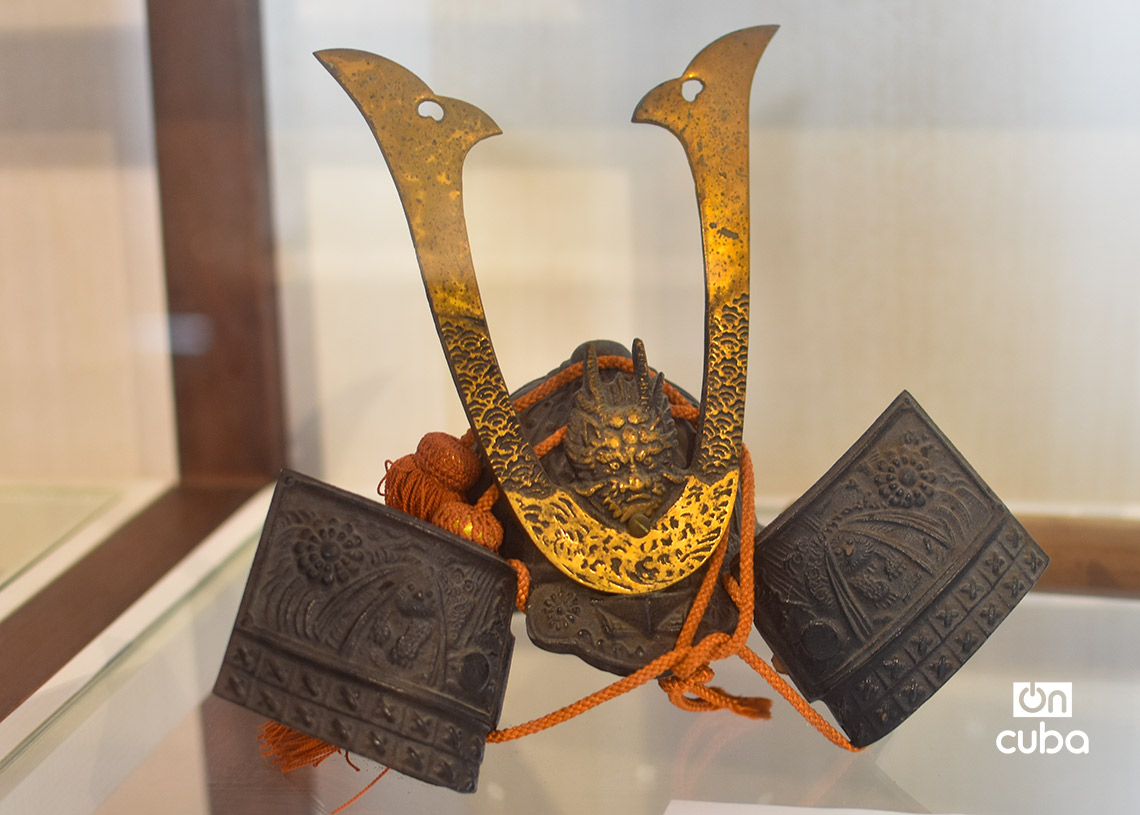
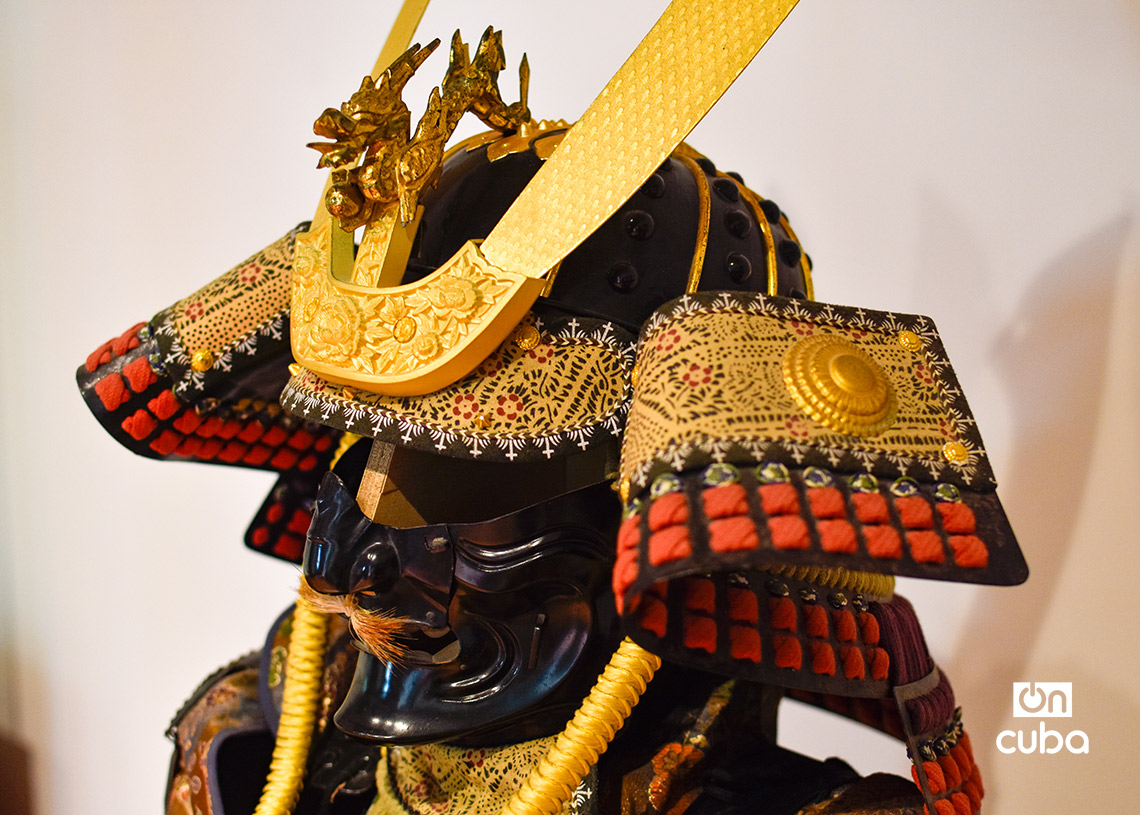
War armor, part of the Japanese collection

War armor, part of the Japanese collection at the House of Asia in Havana. Photo: Otmaro Rodríguez.

Although modest in numbers, the Japanese presence in Cuba has been intense in its cultural, economic and emotional impact. Between the memories of the first immigrants and the practices of their descendants, a history of integration unfolds, spanning more than 100 years. 

The oldest documented link between Japan and Cuba dates back to 1614, with the stopover in Havana of the samurai and diplomat Hasekura Tsunenaga. This would be the symbolic precedent for the Japanese who began arriving on the island at the end of the 19th century, particularly young men with plans to work and eventually return to their homeland. 
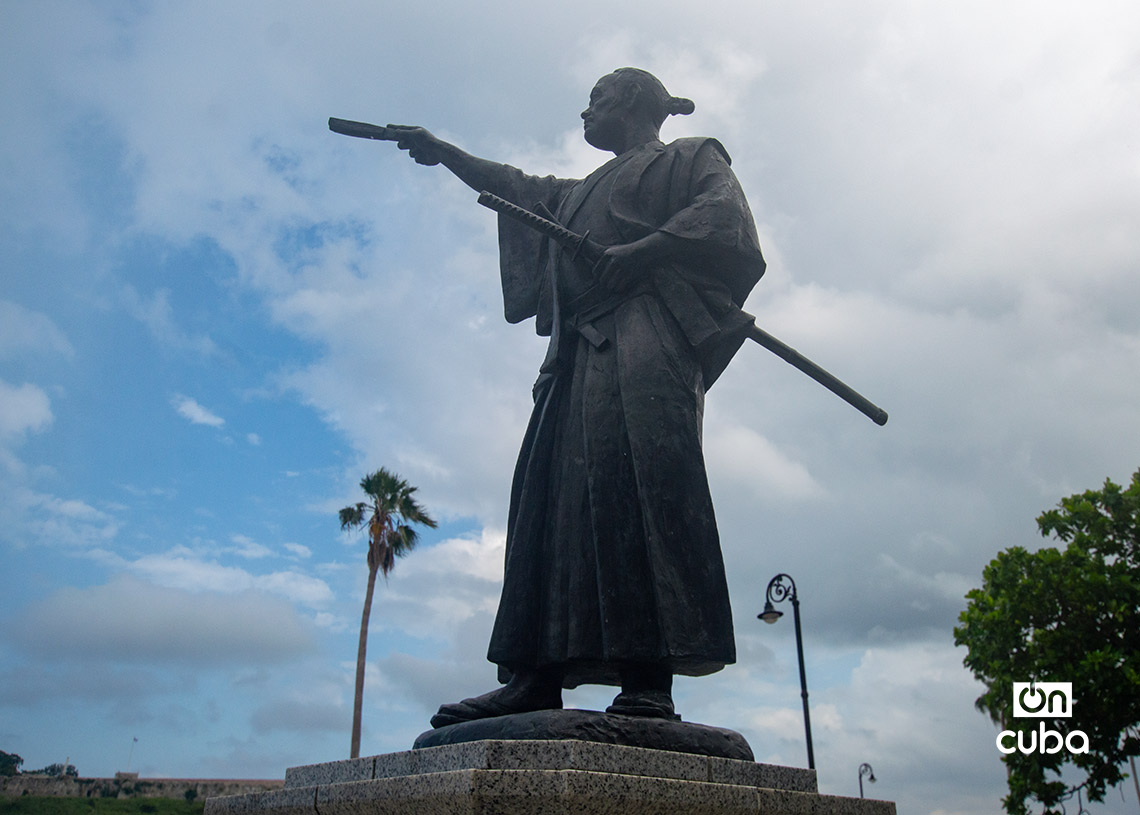
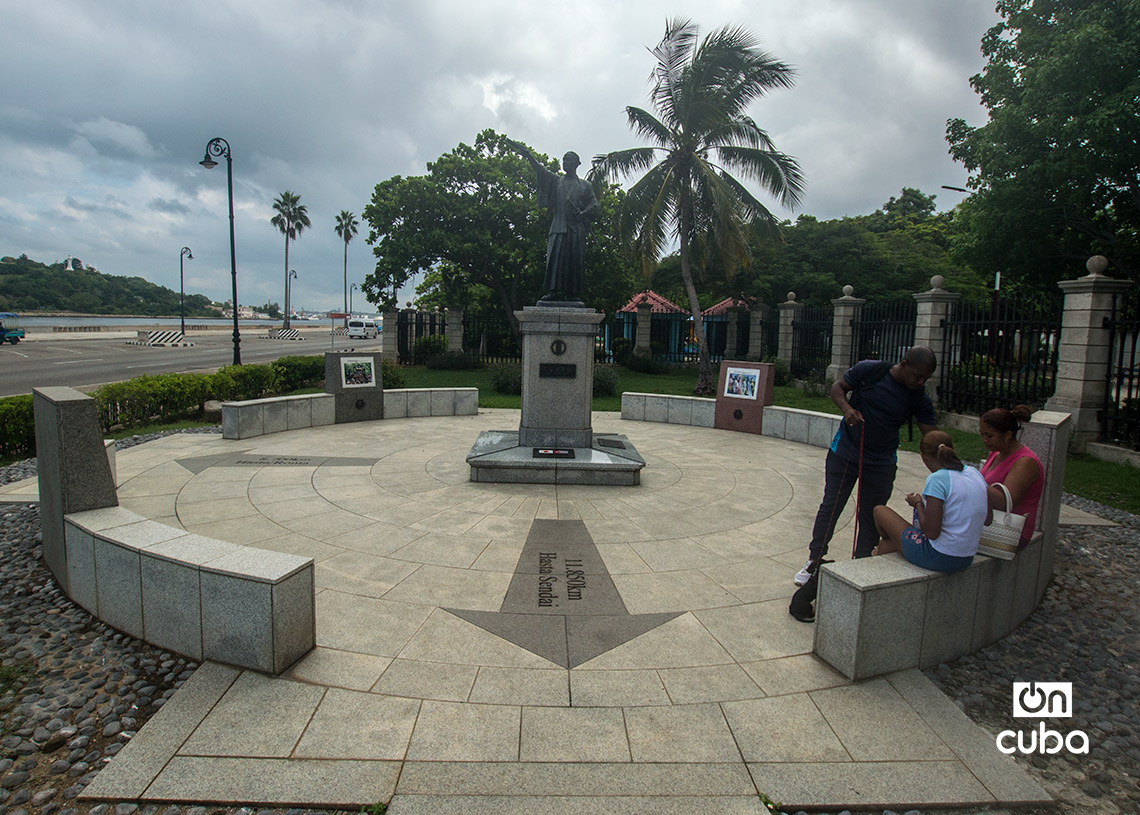
Monument in Havana to Hasekura Tsunenaga, the first samurai to visit Cuba. Photo: Otmaro Rodríguez. 
Monument in Havana to Hasekura Tsunenaga, the first samurai to visit Cuba. Photo: Otmaro Rodríguez.
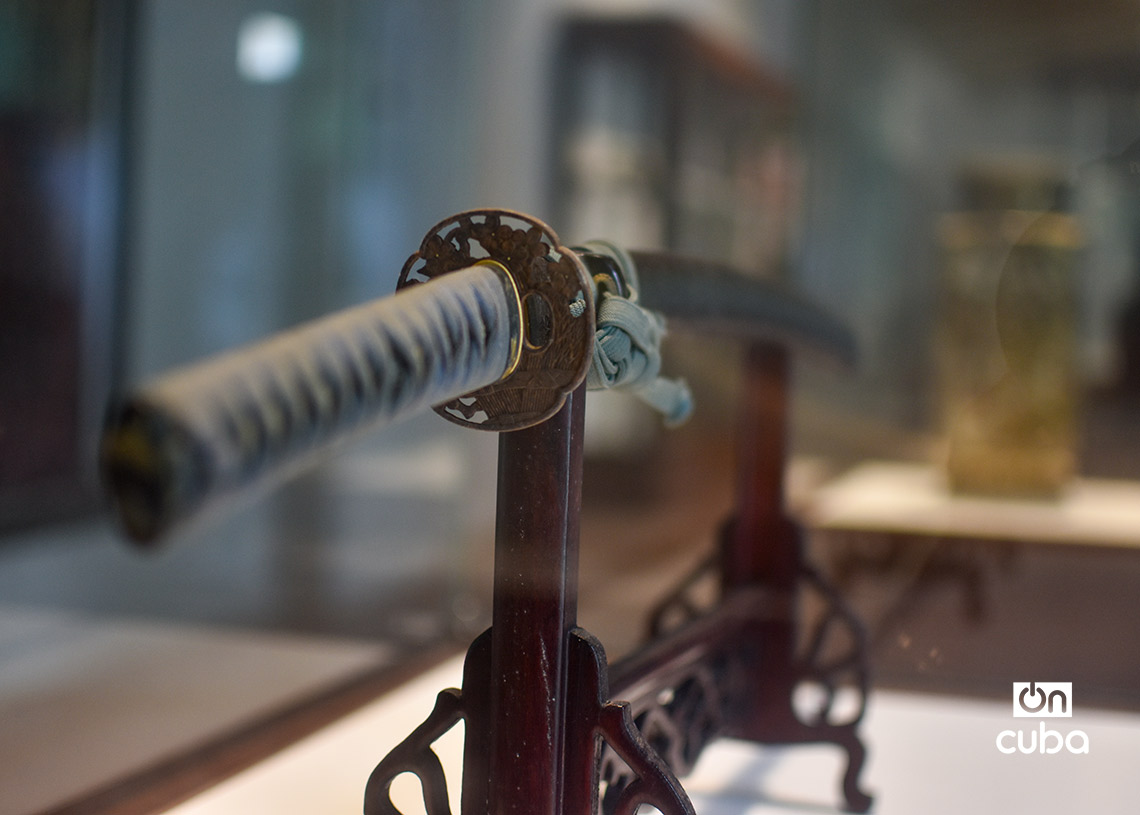
Samurai sword, part of the Japanese collection at the House of Asia in Havana. Photo: Otmaro Rodríguez. 
Samurai sword, part of the Japanese collection at the House of Asia in Havana. Photo: Otmaro Rodríguez.

Japanese immigration to Cuba took place in several periods between 1898 and the post-war era, with settlements scattered throughout almost the entire country and a significant concentration on what was then the Isle of Pines. Despite the initial expectations of the newcomers, political and economic crises, coupled with changes in immigration laws, led many to put down permanent roots on the island. 

During World War II, Japanese immigrants were seen as “enemy aliens” and many suffered imprisonment, confiscation of property and surveillance by the authorities. But although this dark experience left deep scars on the Japanese community, most decided to stay and rebuild their lives and businesses, embracing Cuba as their second homeland. 
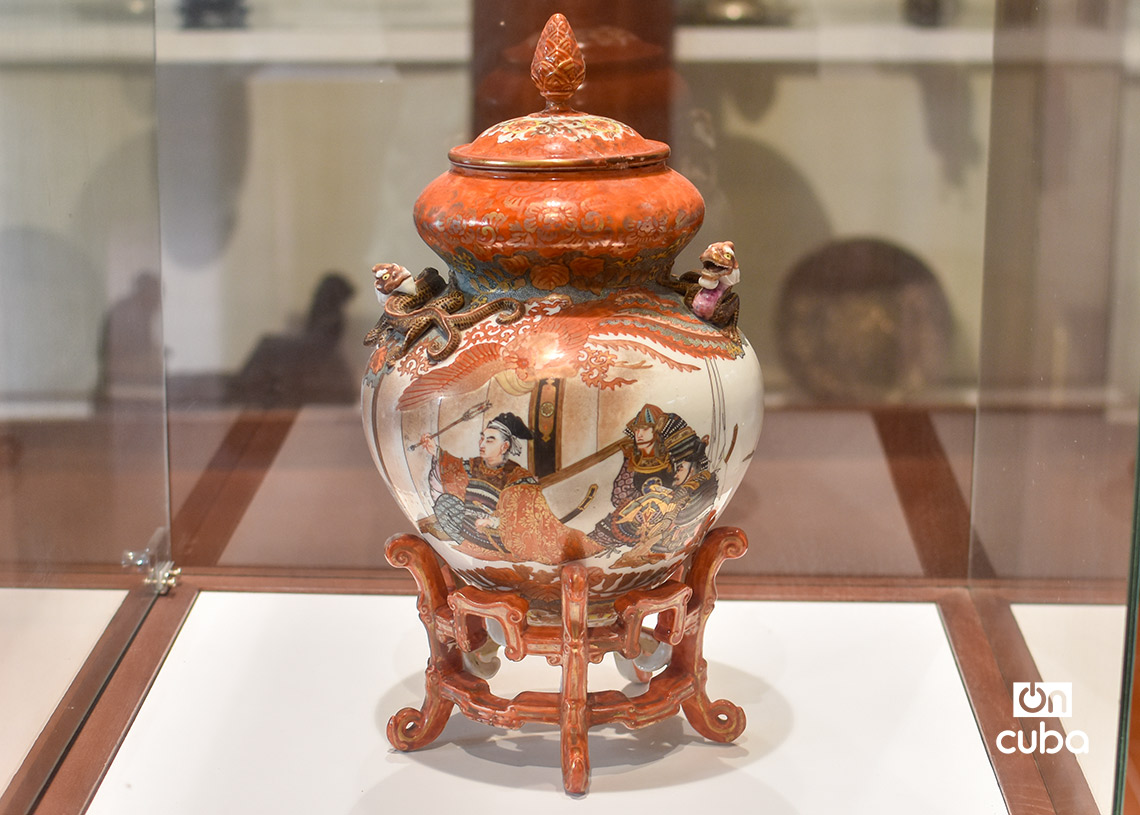
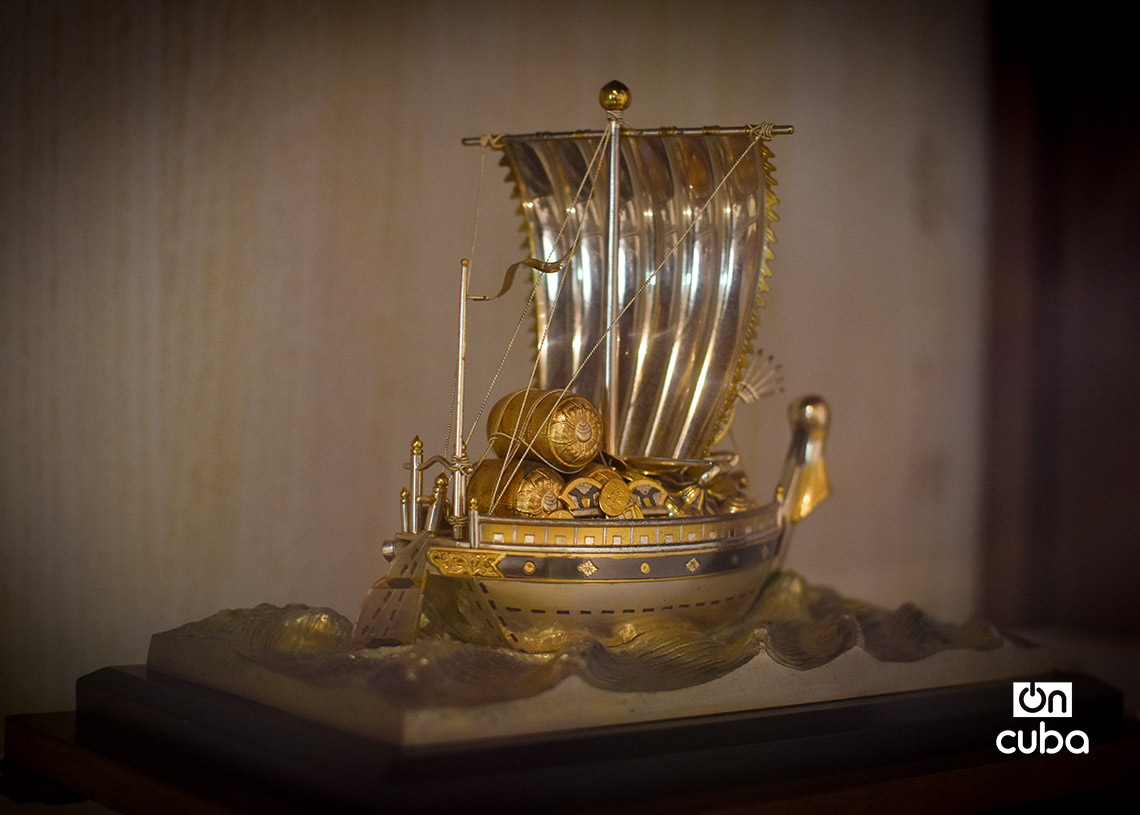
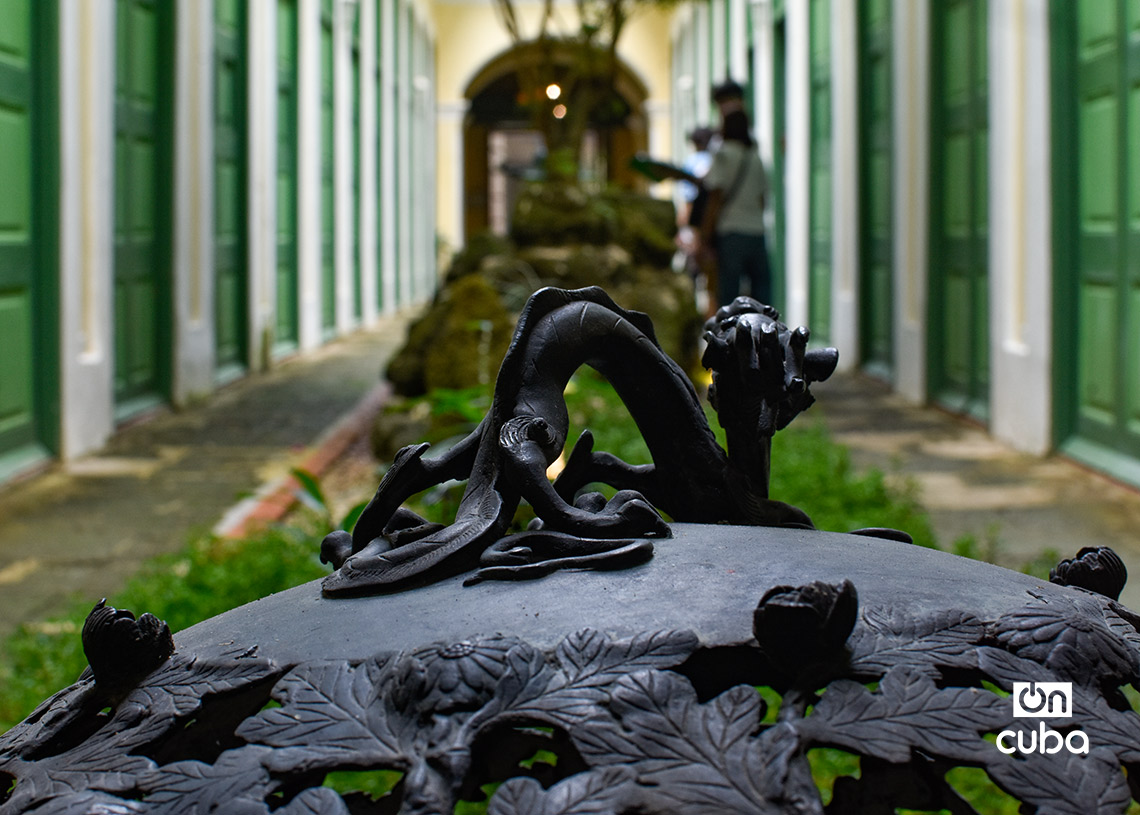
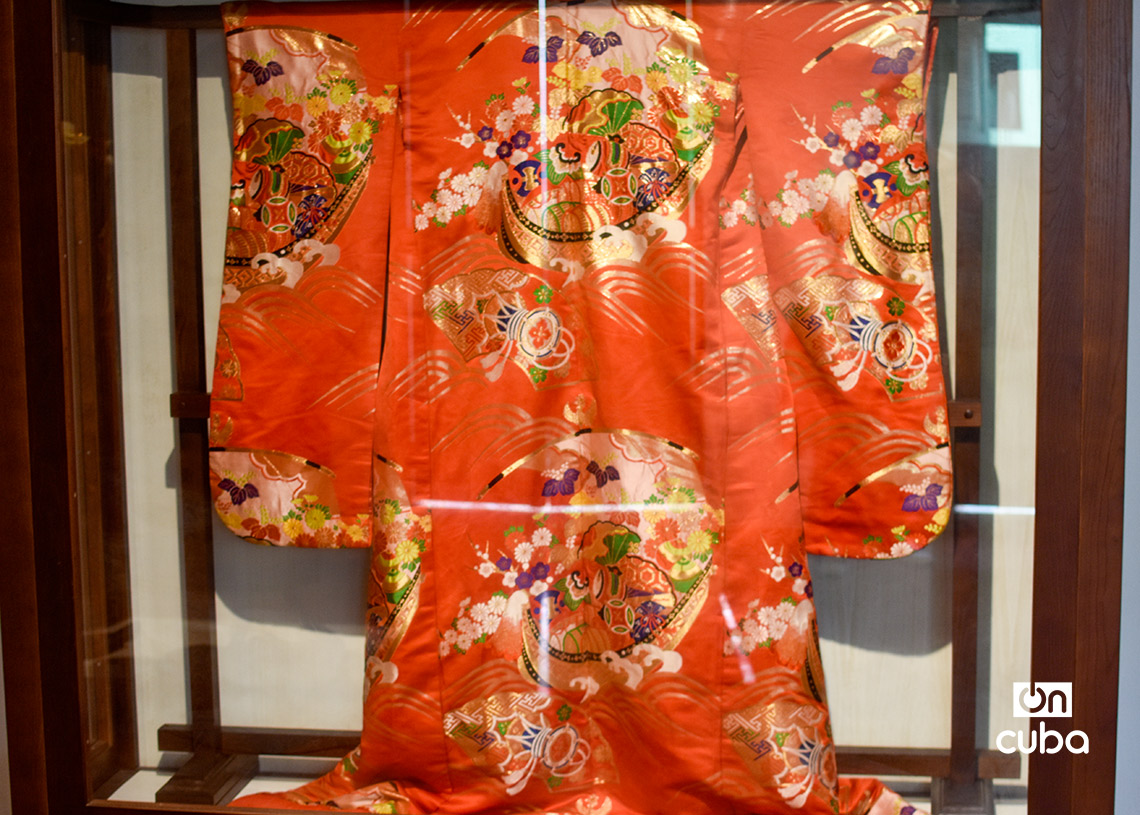
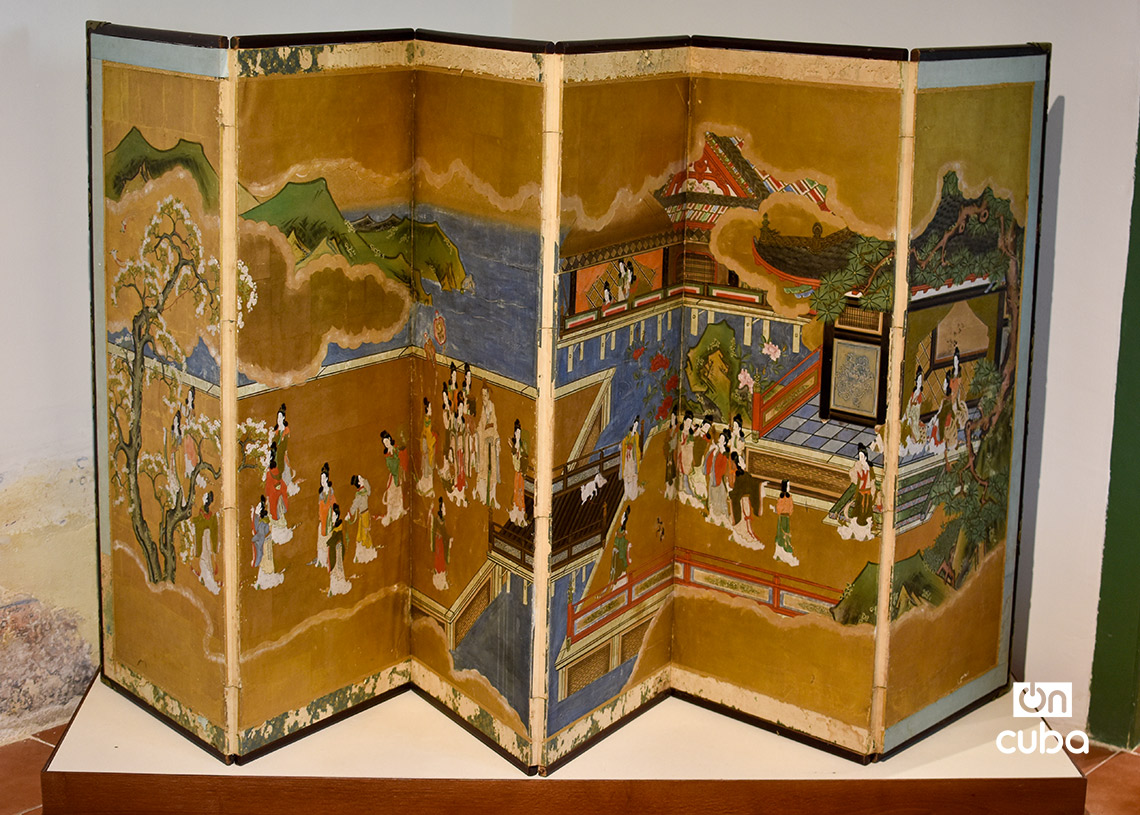
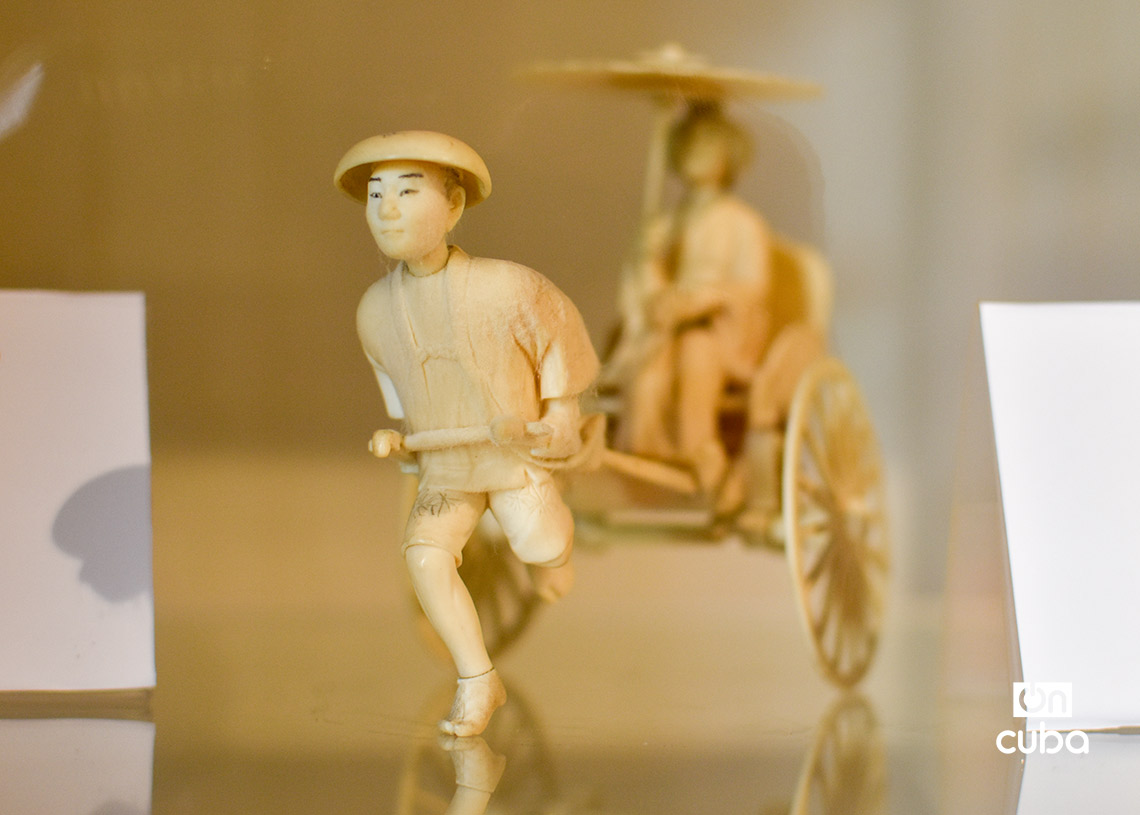
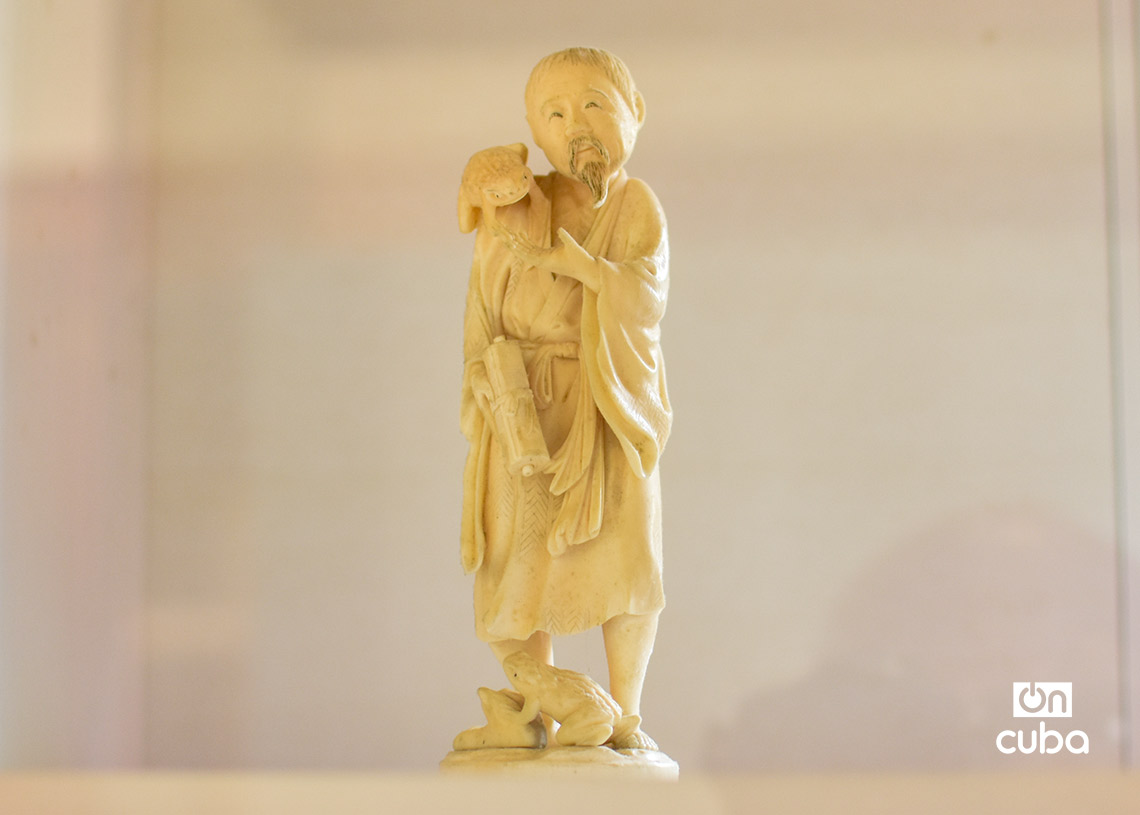
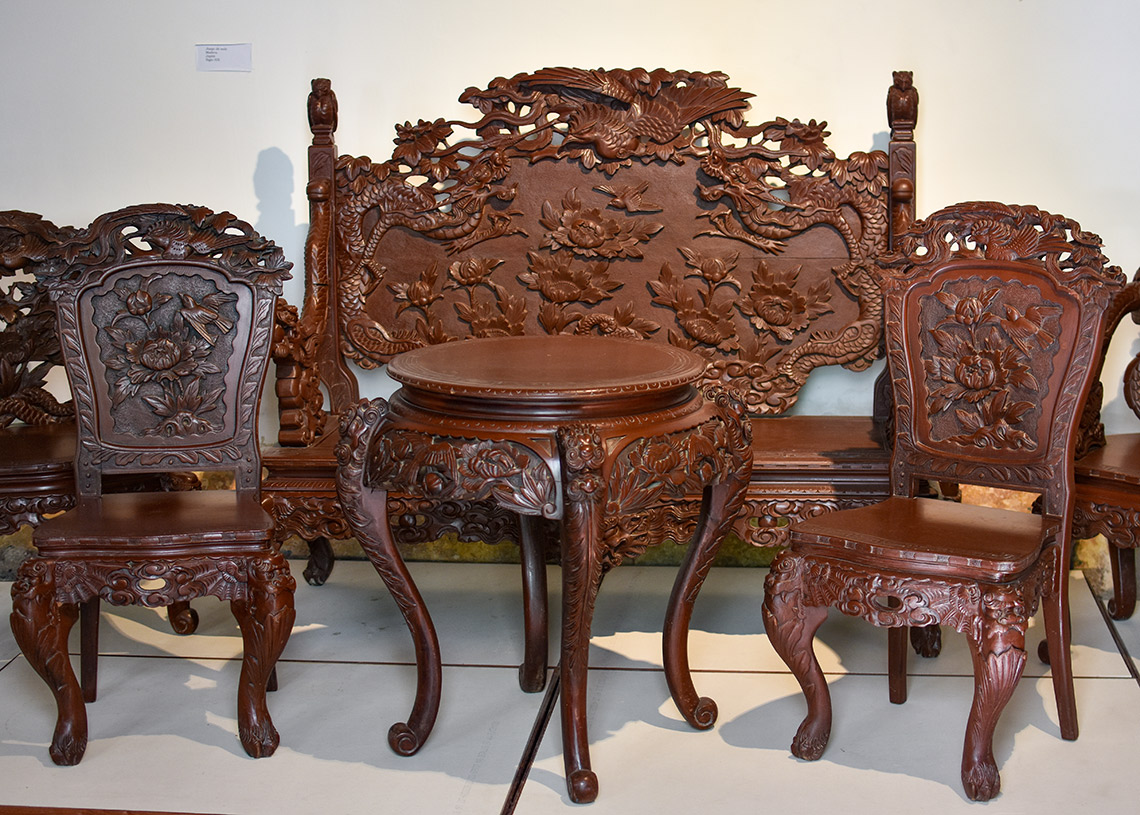
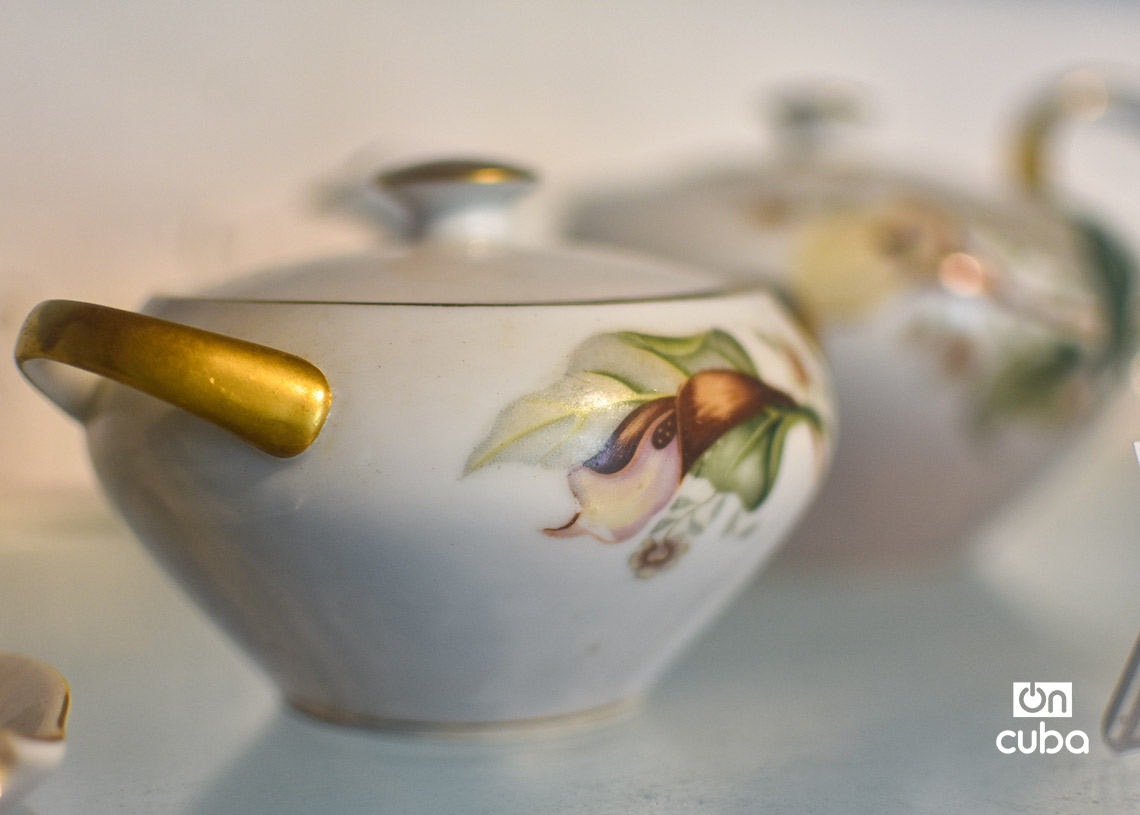
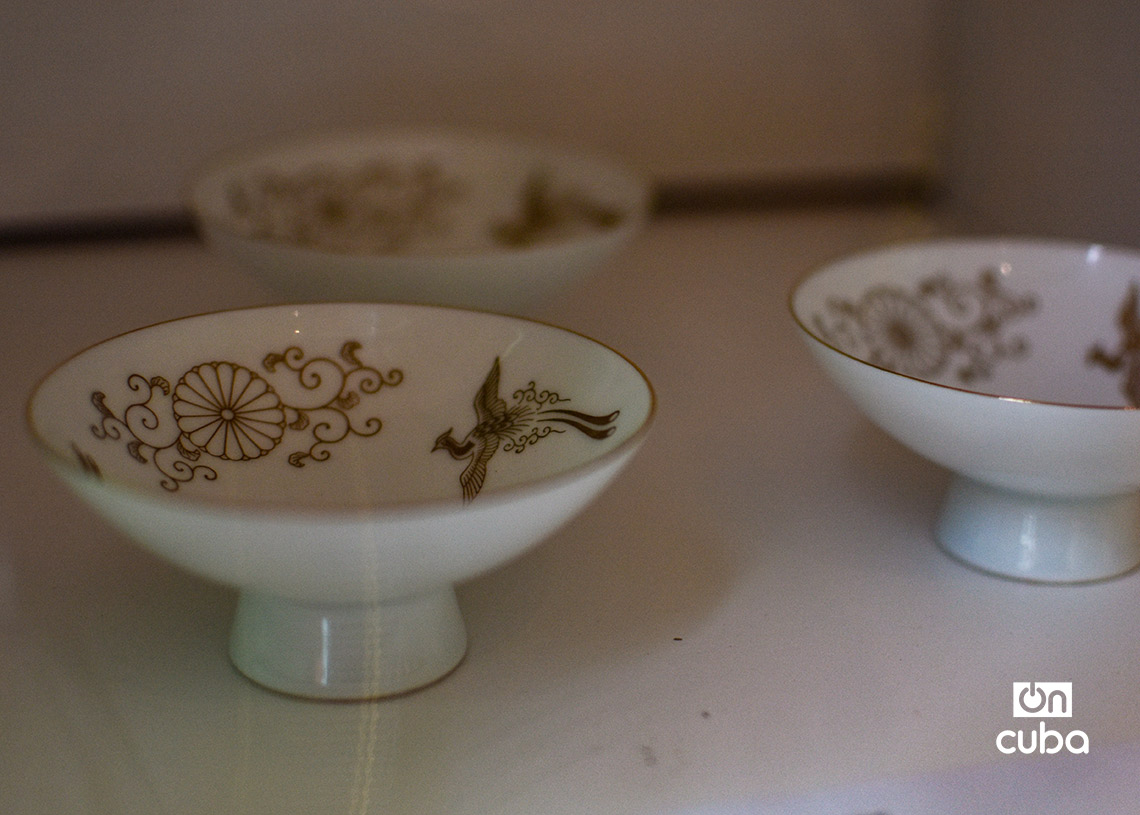
Part of the Japanese collection at the House of Asia in Havana. Photo: Otmaro Rodríguez. 
Part of the Japanese collection at the House of Asia in Havana. Photo: Otmaro Rodríguez.
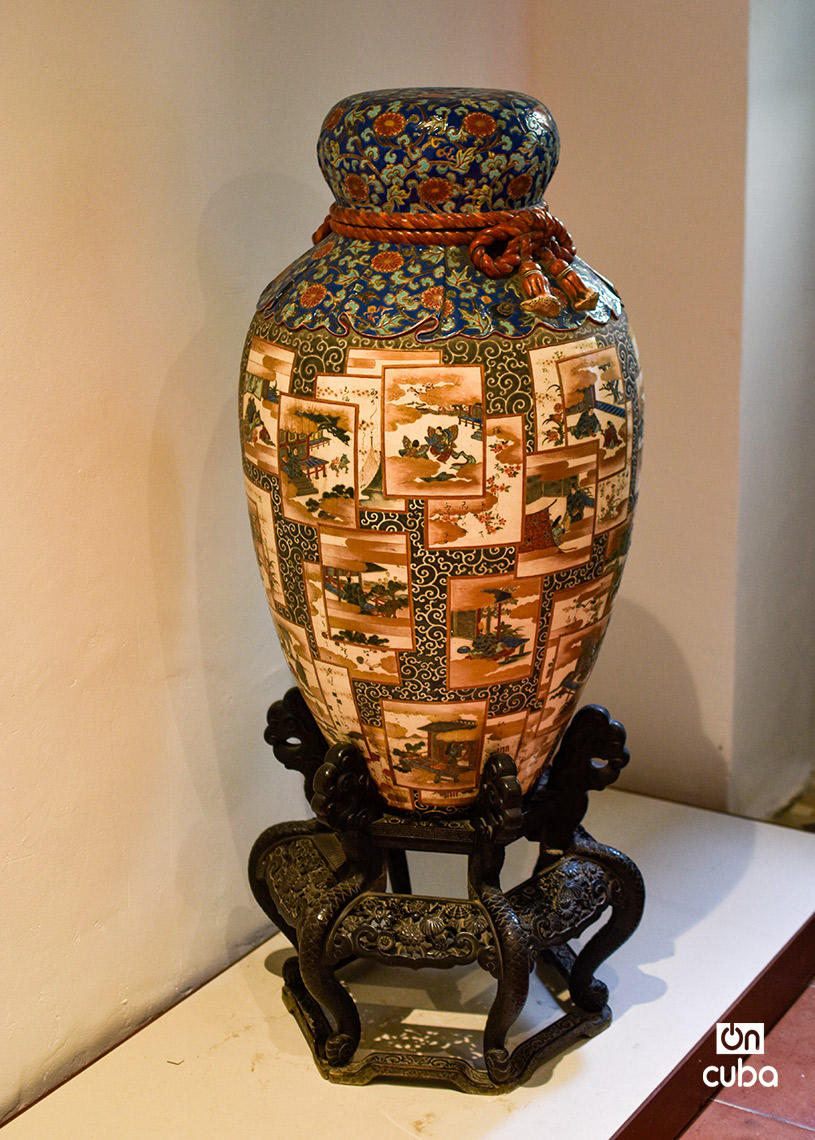
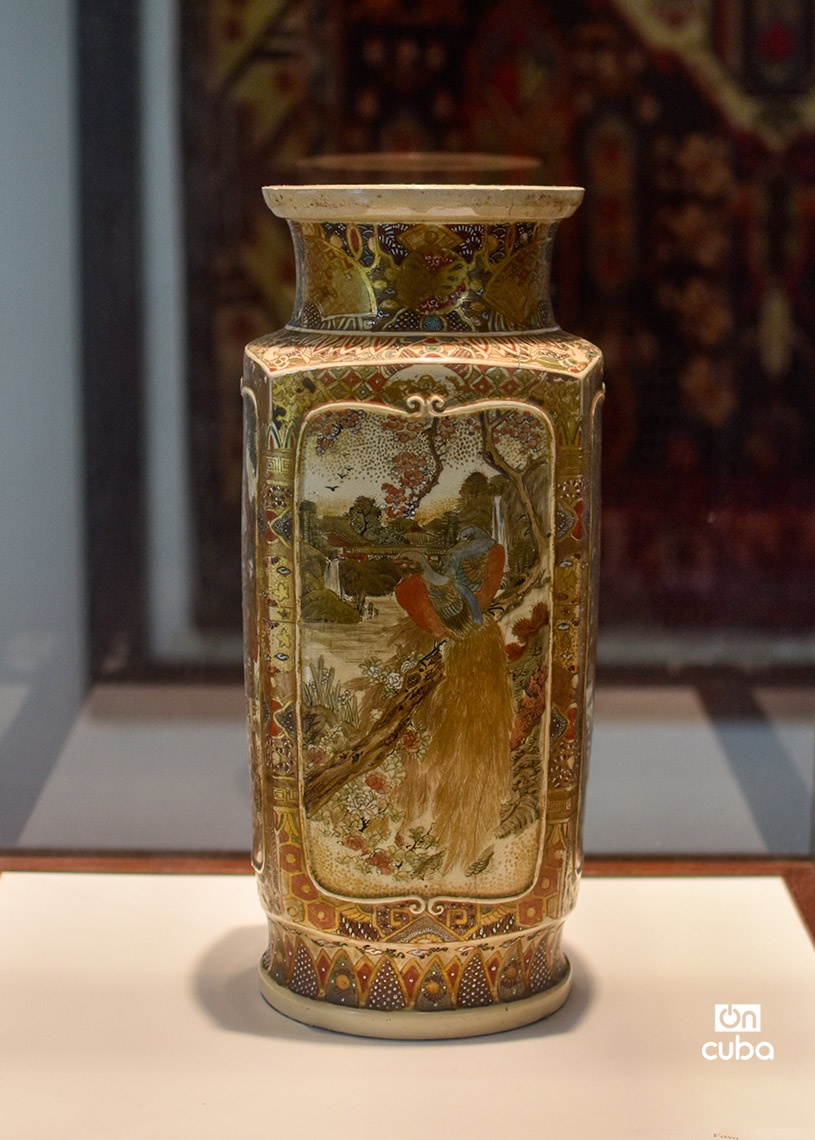
Part of the Japanese collection at the House of Asia in Havana. Photo: Otmaro Rodríguez.  
Part of the Japanese collection at the House of Asia in Havana. Photo: Otmaro Rodríguez.

The Cuban community of Japanese descent, known as Nikkei, currently numbers around 900 people, with a significant presence in Havana and the Isle of Youth. Its members combine Japanese surnames, family customs and a predominantly Cuban identity, along with values ​​associated with discipline, punctuality and responsibility attributed to their Japanese heritage. 

In their daily lives, the descendants have maintained cultural fragments: culinary references adapted to local ingredients, family narratives about war and exile, and a work ethic visible in fields such as agriculture, sports and martial arts, where Japanese pioneers were instrumental in introducing jiu-jitsu and karate-do to the island. 

Related Posts

Oil tanker in Havana Bay. Oil to Cuba

U.S. says it will allow Mexico to continue supplying oil to Cuba

January 14, 2026

Following the traces of John Taylor: a family trip to the heart of Cuban baseball

January 8, 2026
Havana Malecón. Cuba

A bit of certainty

January 6, 2026
2025: National Capitol building

2025: Images of the year that is ending

January 2, 2026
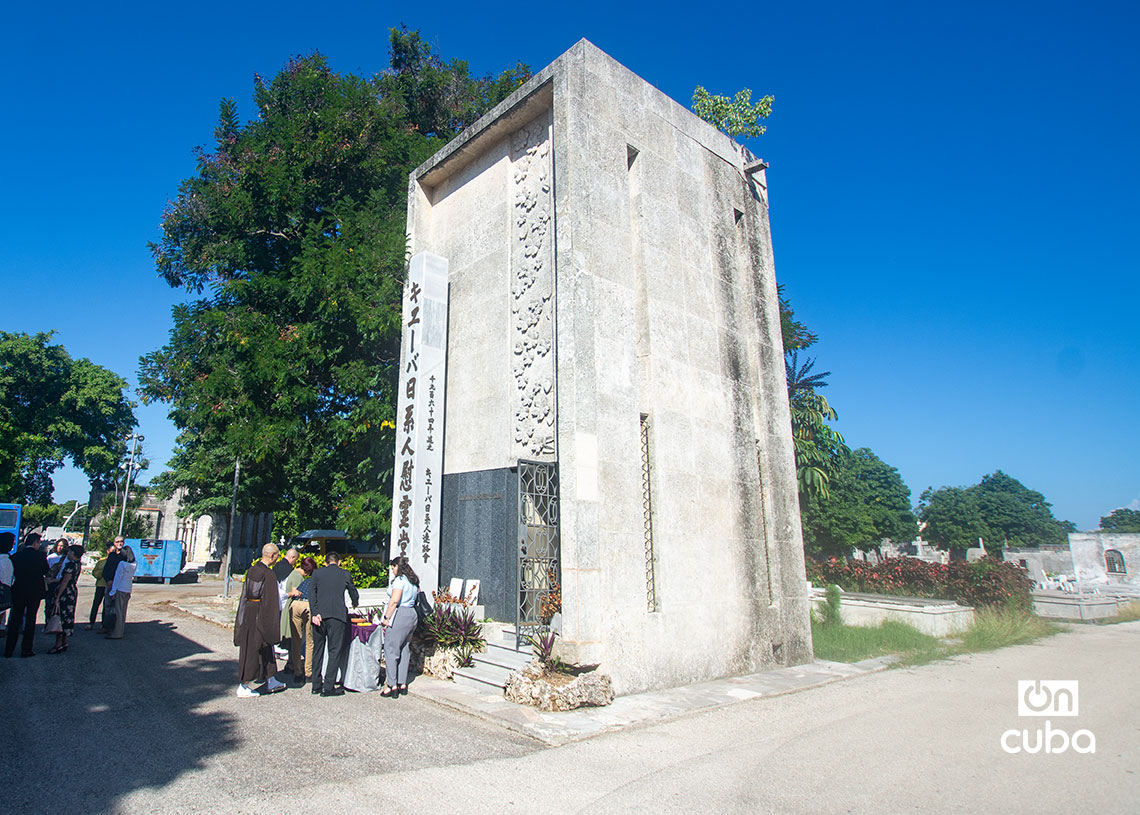
Mausoleum of the Japanese community in Colón Cemetery, Havana. Photo: Otmaro Rodríguez. 
Mausoleum of the Japanese community in Colón Cemetery, Havana. Photo: Otmaro Rodríguez.
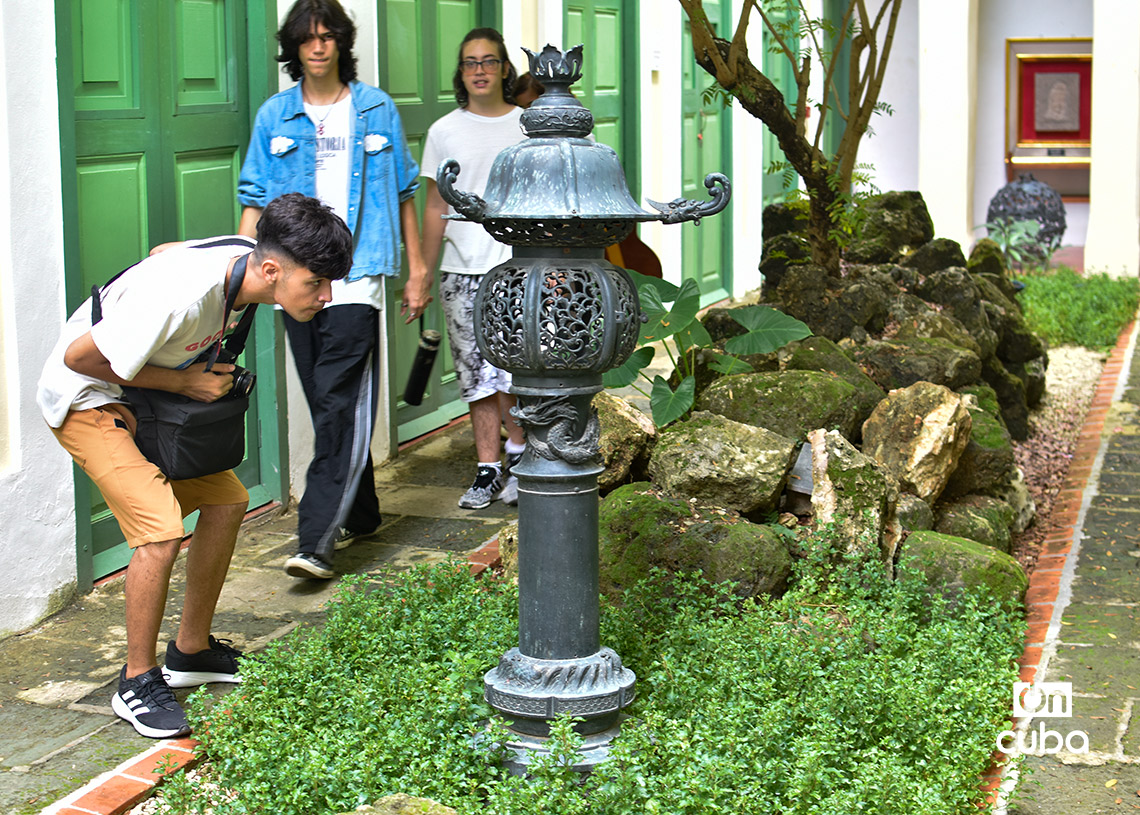
Japanese-inspired garden at the House of Asia in Havana. Photo: Otmaro Rodríguez.
Japanese-inspired garden at the House of Asia in Havana. Photo: Otmaro Rodríguez. 

With a sense of community and territorial structures that function as spaces for support, passing on of memory and connection with Japanese institutions, Cuban Nikkei (people of Japanese descent) keep the heritage of their ancestors alive and are, at the same time, an effective bridge between Japan and Cuba, within a framework of bilateral relations that includes cooperation, scholarships and humanitarian aid. 

Places like Colón Cemetery — where Buddhist ceremonies are held in front of the Japanese community’s mausoleum — the House of Asia with its collections from the Asian country, and the monument to the first samurai who set foot on Cuban soil, are some of the places where Japan’s legacy in Cuba is preserved today. Photojournalist Otmaro Rodríguez brings us closer to them today with his images. 
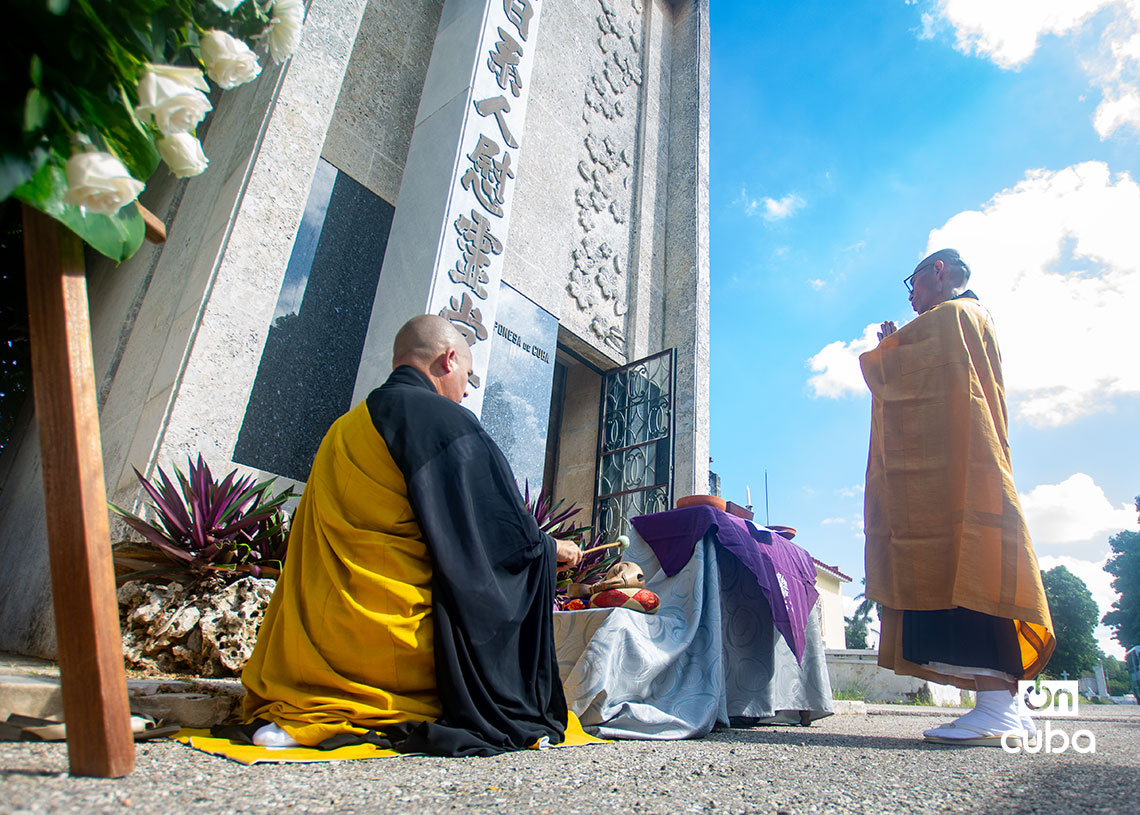
Buddhist ceremony at the mausoleum of the Japanese community in Colón Cemetery, Havana. Photo: Otmaro Rodríguez. 
Buddhist ceremony at the mausoleum of the Japanese community in Colón Cemetery, Havana. Photo: Otmaro Rodríguez.
Monument and park in Havana in honor of Hasekura Tsunenaga, the first samurai to visit Cuba. Photo: Otmaro Rodríguez. 
Monument and park in Havana in honor of Hasekura Tsunenaga, the first samurai to visit Cuba. Photo: Otmaro Rodríguez.
Part of the Japanese collection at the House of Asia in Havana. Photo: Otmaro Rodríguez.
Part of the Japanese collection at the House of Asia in Havana. Photo: Otmaro Rodríguez. 
Part of the Japanese collection at the House of Asia in Havana. Photo: Otmaro Rodríguez.
Part of the Japanese collection at the House of Asia in Havana. Photo: Otmaro Rodríguez. 
Part of the Japanese collection at the House of Asia in Havana. Photo: Otmaro Rodríguez.
Part of the Japanese collection at the House of Asia in Havana. Photo: Otmaro Rodríguez. 
Part of the Japanese collection at the House of Asia in Havana. Photo: Otmaro Rodríguez.
Part of the Japanese collection at the House of Asia in Havana. Photo: Otmaro Rodríguez. 
Part of the Japanese collection at the House of Asia in Havana. Photo: Otmaro Rodríguez.
Part of the Japanese collection at the House of Asia in Havana. Photo: Otmaro Rodríguez. 
Part of the Japanese collection at the House of Asia in Havana. Photo: Otmaro Rodríguez.
Part of the Japanese collection at the House of Asia in Havana. Photo: Otmaro Rodríguez. 
Part of the Japanese collection at the House of Asia in Havana. Photo: Otmaro Rodríguez.
Part of the Japanese collection at the House of Asia in Havana. Photo: Otmaro Rodríguez.  
Part of the Japanese collection at the House of Asia in Havana. Photo: Otmaro Rodríguez.
Part of the Japanese collection at the House of Asia in Havana. Photo: Otmaro Rodríguez. 
Part of the Japanese collection at the House of Asia in Havana. Photo: Otmaro Rodríguez.
Part of the Japanese collection at the House of Asia in Havana. Photo: Otmaro Rodríguez. 
Part of the Japanese collection at the House of Asia in Havana. Photo: Otmaro Rodríguez.
Part of the Japanese collection at the House of Asia in Havana. Photo: Otmaro Rodríguez. 
Part of the Japanese collection at the House of Asia in Havana. Photo: Otmaro Rodríguez.


  • OnCuba Staff
    OnCuba Staff
Tags: Cuban culturefeaturedJapanese culture
Previous Post

Cuba in the Venezuelan Mirror: When Postponing Decisions Is No Longer an Option

Next Post

U.S. says it will allow Mexico to continue supplying oil to Cuba

OnCuba Staff

OnCuba Staff

Next Post
Oil tanker in Havana Bay. Oil to Cuba

U.S. says it will allow Mexico to continue supplying oil to Cuba

An elderly woman lights her way with a lantern during a power outage in Havana

Cuba, from one very difficult year to another

Flags of the United States and Cuba in Havana

Cuba vs. United States: lessons and anti-lessons from the intervention in Venezuela

Leave a Reply Cancel reply

The conversation here is moderated according to OnCuba News discussion guidelines. Please read the Comment Policy before joining the discussion.

Your email address will not be published. Required fields are marked *

Most Read

  • The Enchanted Shrimp of the Cuban Dance

    5051 shares
    Share 2020 Tweet 1263
  • U.S. actress Susan Sarandon praises Cuban vaccines and calls for end of embargo against the island

    129 shares
    Share 52 Tweet 32
  • Venezuela today: scenarios and urgent challenges for the Cuban economy

    17 shares
    Share 7 Tweet 4
  • U.S. says it will allow Mexico to continue supplying oil to Cuba

    29 shares
    Share 12 Tweet 7
  • Cuba in the Venezuelan Mirror: When Postponing Decisions Is No Longer an Option

    43 shares
    Share 17 Tweet 11

Most Commented

  • Havana Malecón. Cuba

    A bit of certainty

    12 shares
    Share 5 Tweet 3
  • Cuba in the Venezuelan Mirror: When Postponing Decisions Is No Longer an Option

    43 shares
    Share 17 Tweet 11
  • 2025: What remains, what was left, what’s in store for the Cuban economy

    55 shares
    Share 22 Tweet 14
  • Between paper and embroidery, María Paula focuses on sustainable beauty

    18 shares
    Share 7 Tweet 5
  • About us
  • Work with OnCuba
  • Terms of use
  • Privacy Policy
  • Moderation policy for comments
  • Contact us
  • Advertisement offers

OnCuba and the OnCuba logo are registered® trademarks of Fuego Enterprises, Inc., its subsidiaries or divisions.
OnCuba © by Fuego Enterprises, Inc. All Rights Reserved.

No Result
View All Result
  • World
  • Cuba
  • Cuba-USA
  • Opinion
    • Columns
    • Infographic
  • Culture
    • Billboard
  • Sports
  • Styles / Trends
  • Media
  • Special
  • Cuban Flavors

OnCuba and the OnCuba logo are registered® trademarks of Fuego Enterprises, Inc., its subsidiaries or divisions.
OnCuba © by Fuego Enterprises, Inc. All Rights Reserved.

Manage Consent
To provide the best experiences, we use technologies like cookies to store and/or access device information. Consenting to these technologies will allow us to process data such as browsing behavior or unique IDs on this site. Not consenting or withdrawing consent, may adversely affect certain features and functions.
Functional Always active
The technical storage or access is strictly necessary for the legitimate purpose of enabling the use of a specific service explicitly requested by the subscriber or user, or for the sole purpose of carrying out the transmission of a communication over an electronic communications network.
Preferences
The technical storage or access is necessary for the legitimate purpose of storing preferences that are not requested by the subscriber or user.
Statistics
The technical storage or access that is used exclusively for statistical purposes. The technical storage or access that is used exclusively for anonymous statistical purposes. Without a subpoena, voluntary compliance on the part of your Internet Service Provider, or additional records from a third party, information stored or retrieved for this purpose alone cannot usually be used to identify you.
Marketing
The technical storage or access is required to create user profiles to send advertising, or to track the user on a website or across several websites for similar marketing purposes.
Manage options Manage services Manage {vendor_count} vendors Read more about these purposes
View preferences
{title} {title} {title}