

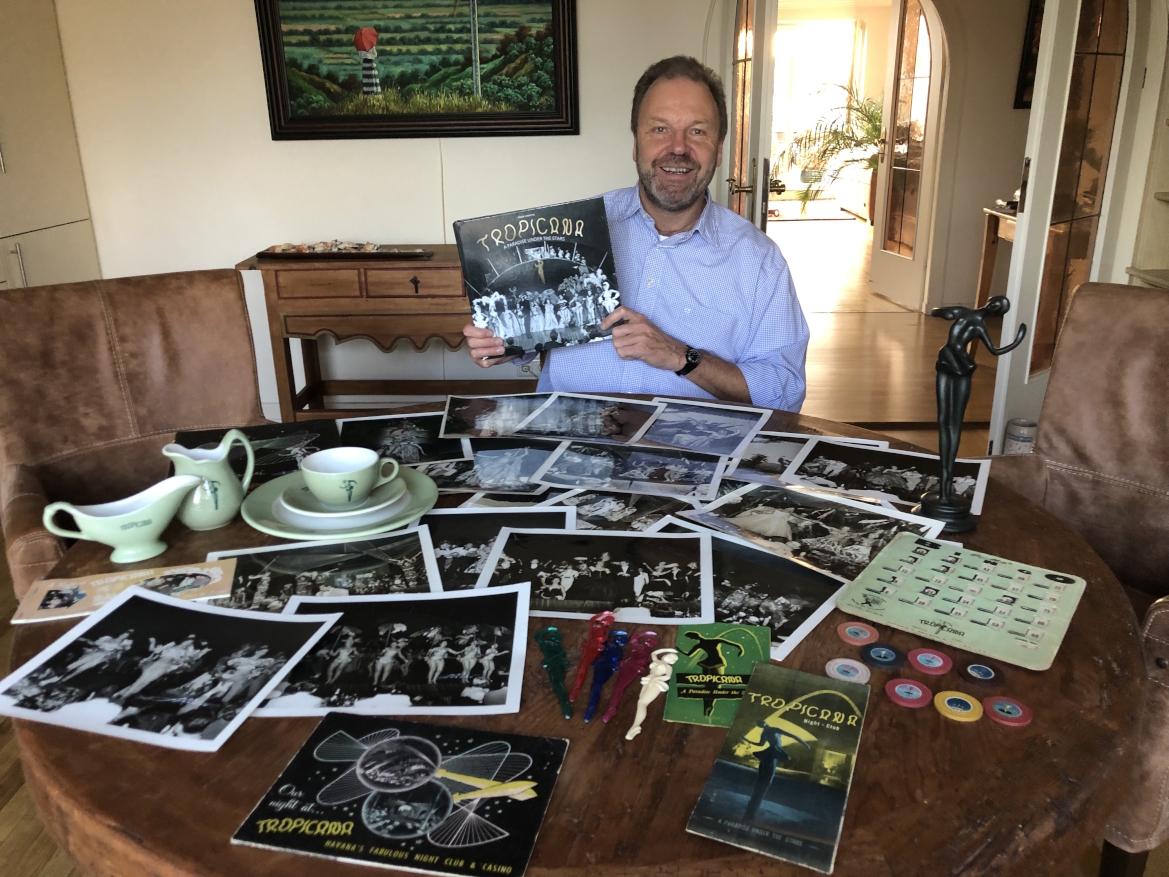
Frank Hinrichs lives in Hamburg, Germany, a country that is “practically the opposite in many ways,” as he himself says, to Cuba. “More than 8,000 kilometers separate us, in addition to the language, culture, mentality, climate and temperament of the people.” Even so, something strongly connects him to the island.
Hinrichs was captivated by the “Cuban paradise under the stars,” the internationally famous Tropicana cabaret. So much so that today he is considered one of the leading experts on its history and possesses the world’s largest collection of objects related to the cabaret.
He first arrived in Havana as a tourist in the early 1990s, attracted by “the unique mix of history, architecture, beaches, salsa, revolution and extraordinary joie de vivre that Cuba offers, despite the adverse living conditions on the socialist island and the morbidity of the times that were called the ‘special period’.”
“You might wonder how it’s possible that a non-Cuban born in the 1960s is so fascinated by the pre-revolutionary history of Cuba’s most spectacular nightclub,” Hinrichs told us. And he adds: “When I set foot in Tropicana, it was love at first sight.”
“I felt as if I were visiting an unreal world of exotic splendor, compared to the cold grayness of my home and my Northern European culture. I was immediately captivated by the starry Cuban sky, its warm moon, the sensuality and vitality of the show and the dancers, the exciting music and all of it in a tropical garden setting. It was probably the charm of the Cuban night that left me breathless, because there is nothing like it in Germany,” he said.

Was that the beginning of your interest in Tropicana?
This experience awakened in me the desire to learn more about the history of this legendary nightspot, and I soon discovered that it was a national icon and the most famous cabaret of the 1950s.
I realized that the show I saw was enjoyable and adapted to the expectations of Western tourists, but it was only a shadow of what Tropicana was in the pre-revolutionary era.
So I familiarized myself with its history, spoke with contemporary witnesses, contacted the family of the former owners and some of the last dancers from the golden age who were still alive. They all shared their anecdotes and photo collections with me. From there, I took a small leap to becoming a serious collector.
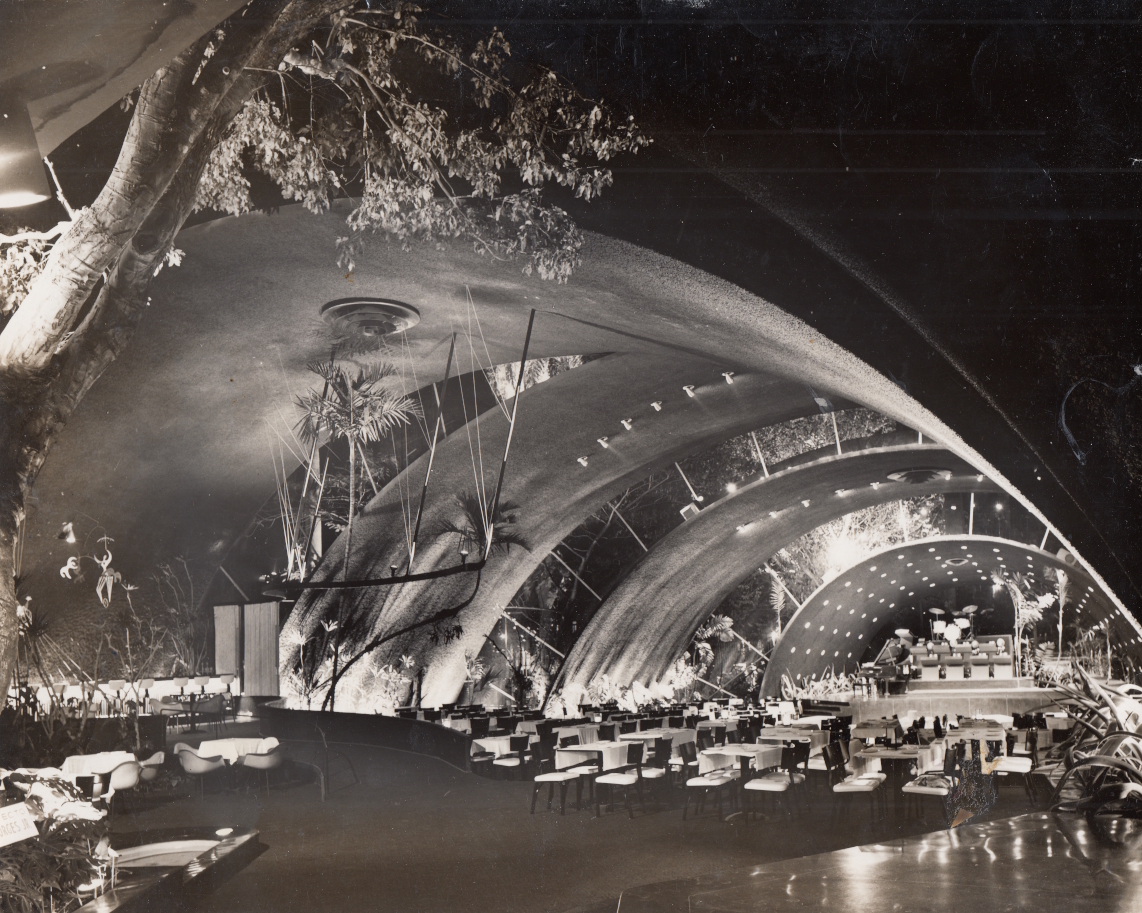
So that’s how you started collecting photographs and items related to the cabaret….
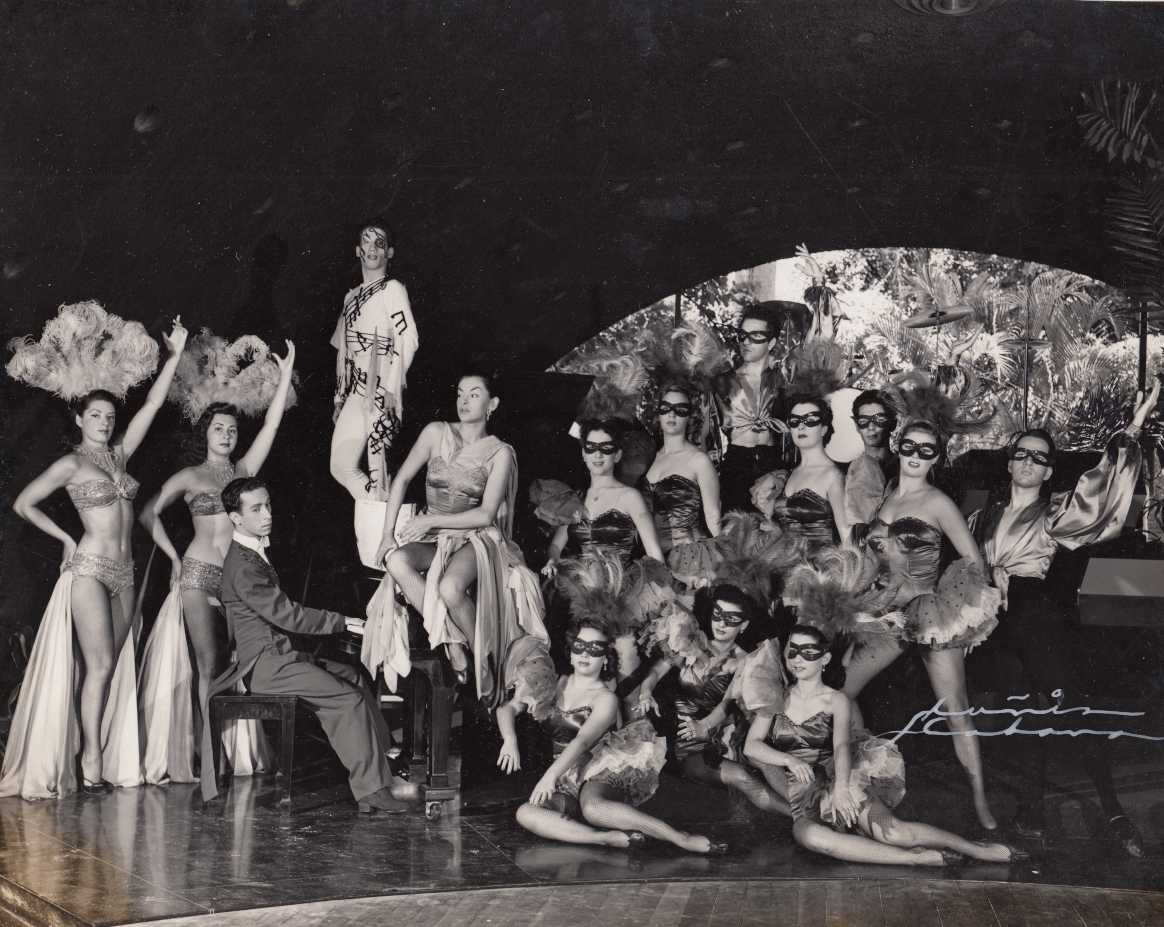
The heyday and history of Tropicana and its protagonists in the 1950s are so fascinating that they inspired me to become a passionate admirer and collector of photos and memorabilia from that era for the past 25 years. This enthusiasm and passion led me to assemble what is now considered the main Tropicana archive, with unpublished vintage photographs and historical memorabilia from its pre-revolutionary era.
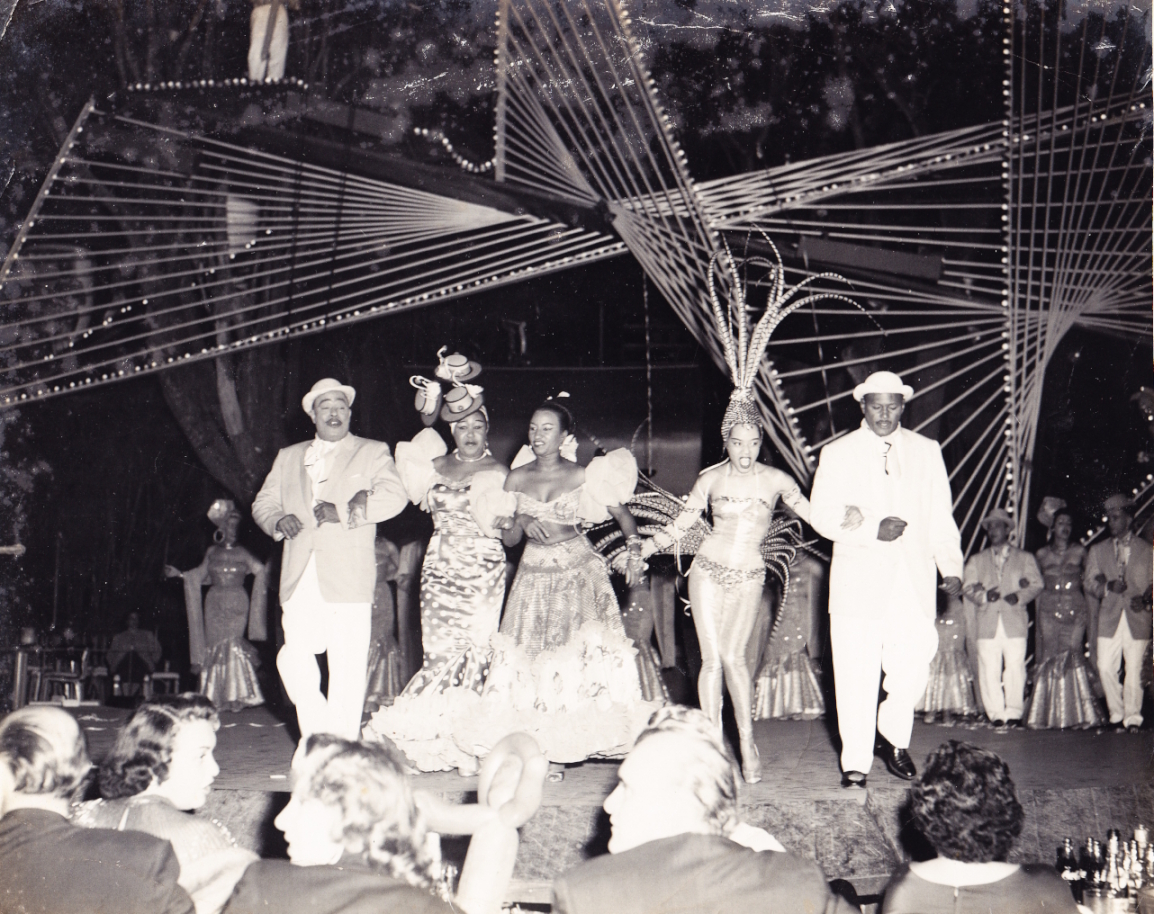
What types of items make up your collection?
In addition to 1,200 original photographs, the collection contains countless printed advertisements, casino chips and dice, bingo cards, and various objects of interest, such as menus, postcards, brochures, souvenir photo holders and other curiosities: cocktail stirrers, matchbooks, cocktail napkins and even a complete set of original VIP tableware.
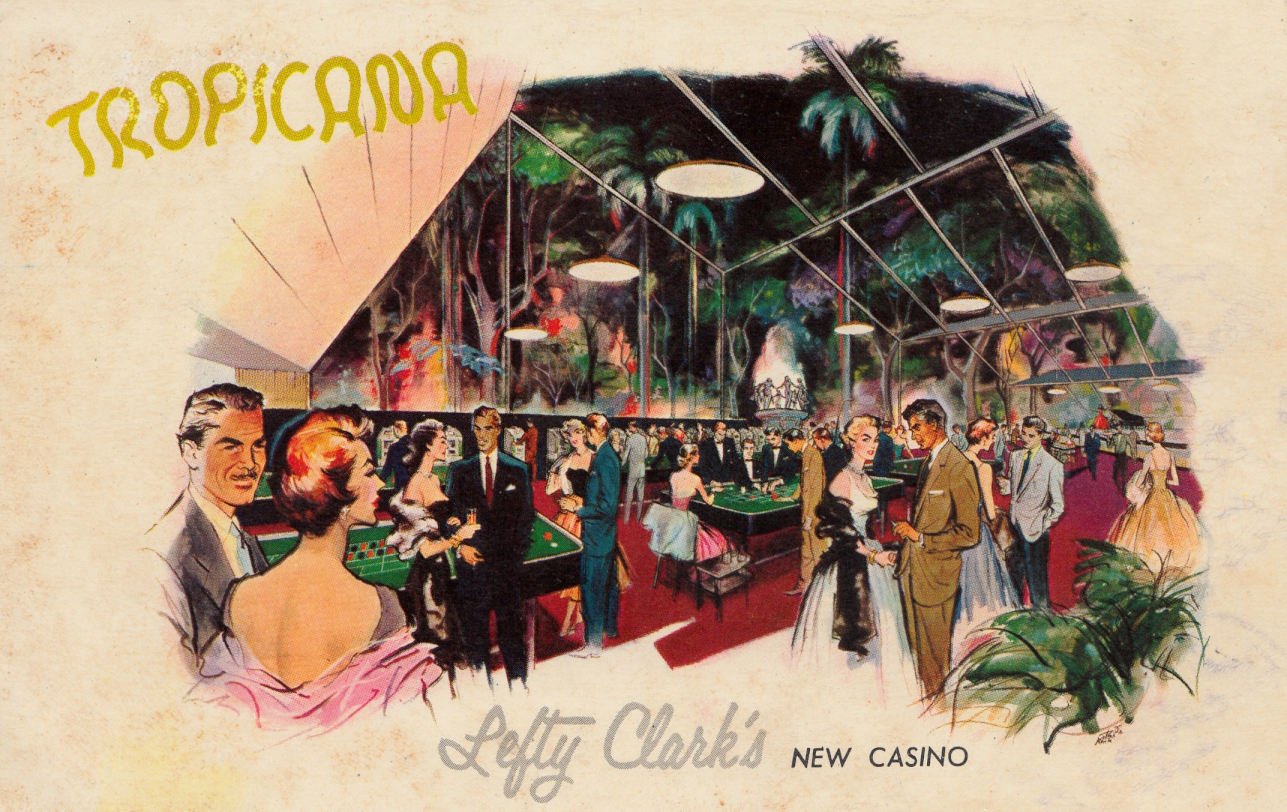
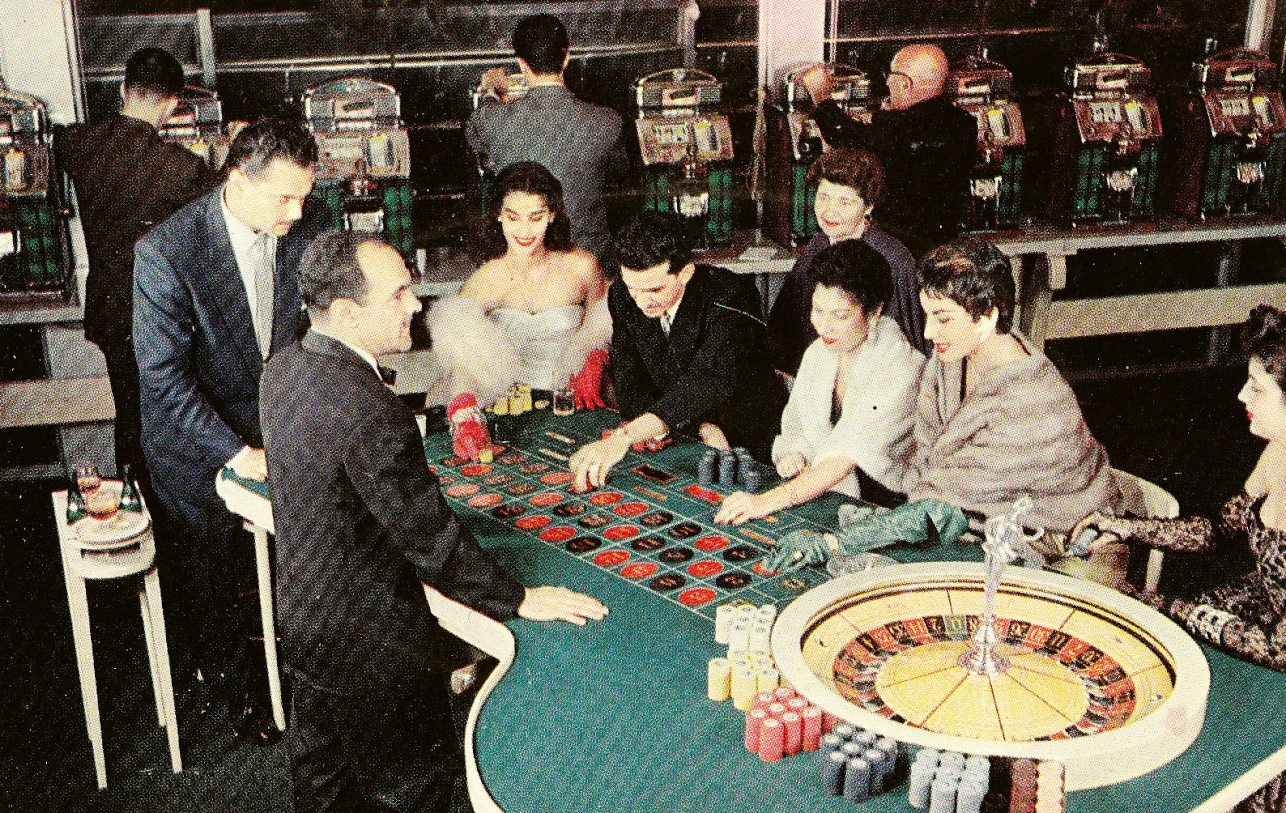
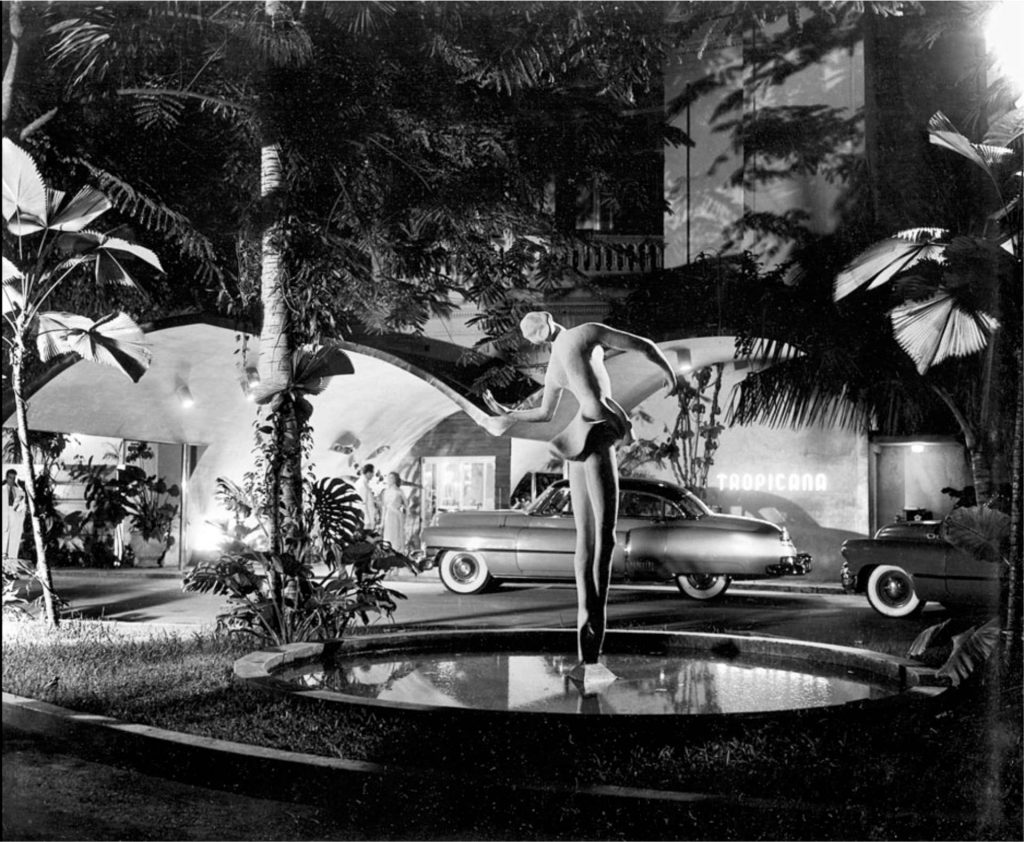
The distinctive element of all the high-quality promotional material was the iconic spinning dancer, a slender female figure designed by the artist Rita Longa in 1950, which represented temptation and delicacy, and which still stands as a sculpture in the entrance area of the cabaret.
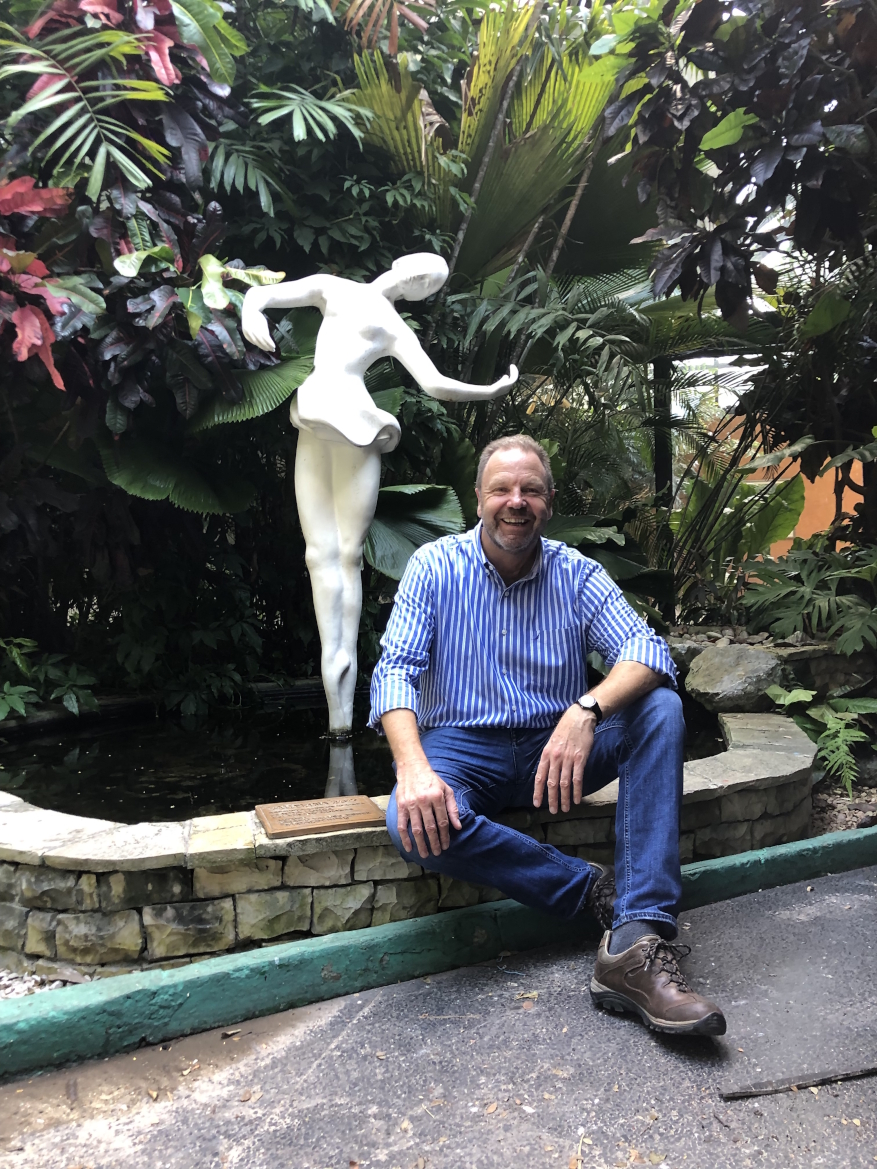
Collecting Tropicana memorabilia has become a true passion, much more than a simple hobby. The thrill of finding a new photo, a printed advertisement, or promotional material lies in putting together the pieces of a puzzle to uncover a compelling narrative about the history of the cabaret.
The search for new pieces and following clues in books, magazines, notes on the back of a photo or interviews with the last surviving dancers — or their families — is especially exciting when you discover something that for a long time you’ve been looking for: for example, the name of a specific show or a dancer who until then appeared unidentified.
How did you obtain the pieces in the collection?
The vast majority — especially the photos — were found in Cuba. They were used for marketing and promotional activities and in articles in publications such as the Diario de la Marina or the Cuban entertainment magazine SHOW. Original copies were given to the dancers, musicians and artists of the shows as souvenirs.
Since the years working in the cabarets were, in many cases, the best time of their lives, many dancers, musicians and artists amassed large quantities of photos as personal collections. When they passed away, their families often sold these mementos to obtain funds for basic needs.
My greatest successes as a collector were those moments when I managed to acquire one of these family collections. The relatives of emigrated artists and the descendants of the former owners of Tropicana also frequently provided me with their photographs, which would be preserved for posterity through my collection.
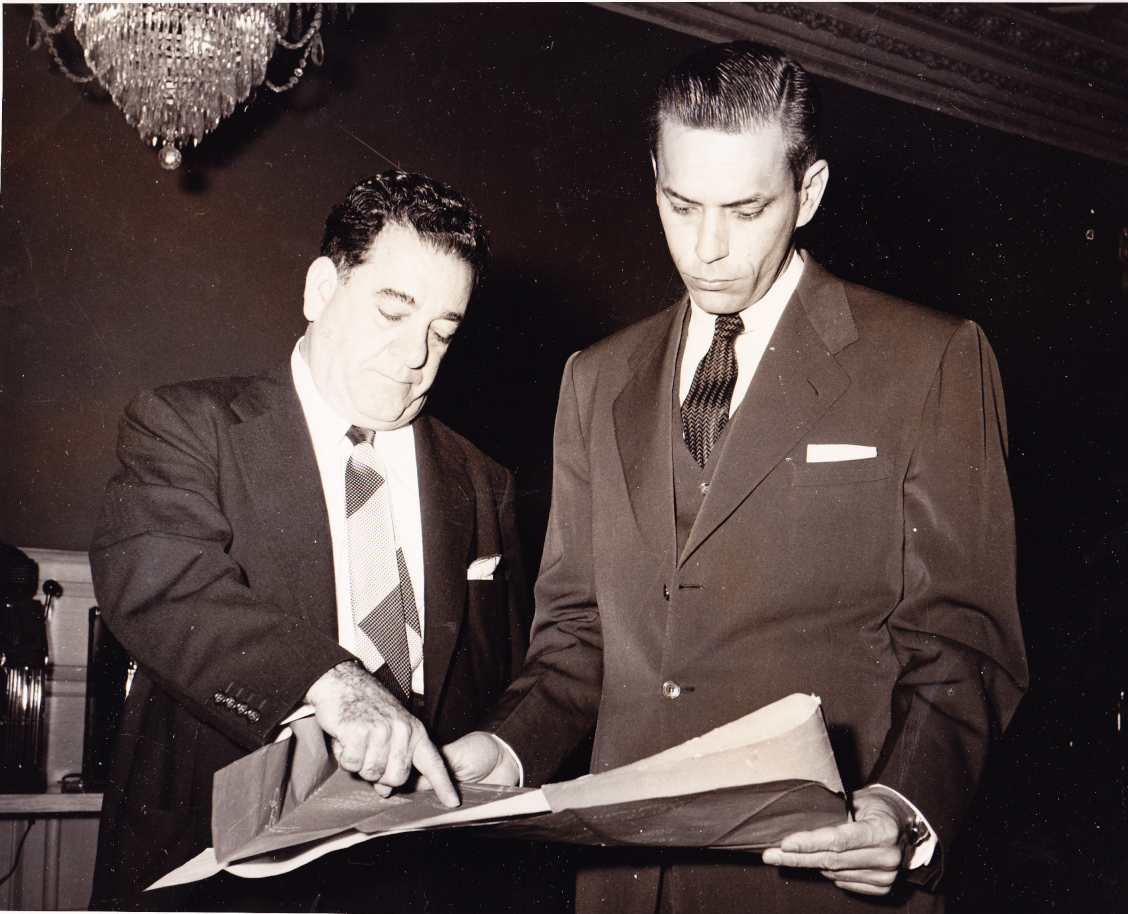
What is the most unique or unusual item you own?
The passport of the famous choreographer Roderico (Rodney or El Mago) Neyra and the original of his contract.
My passion for collecting is clearly driven by the desire to preserve this unique material for future generations, especially for those with Cuban roots, offering them the opportunity to relive those glamorous early years of Tropicana through the eyes of an observer.
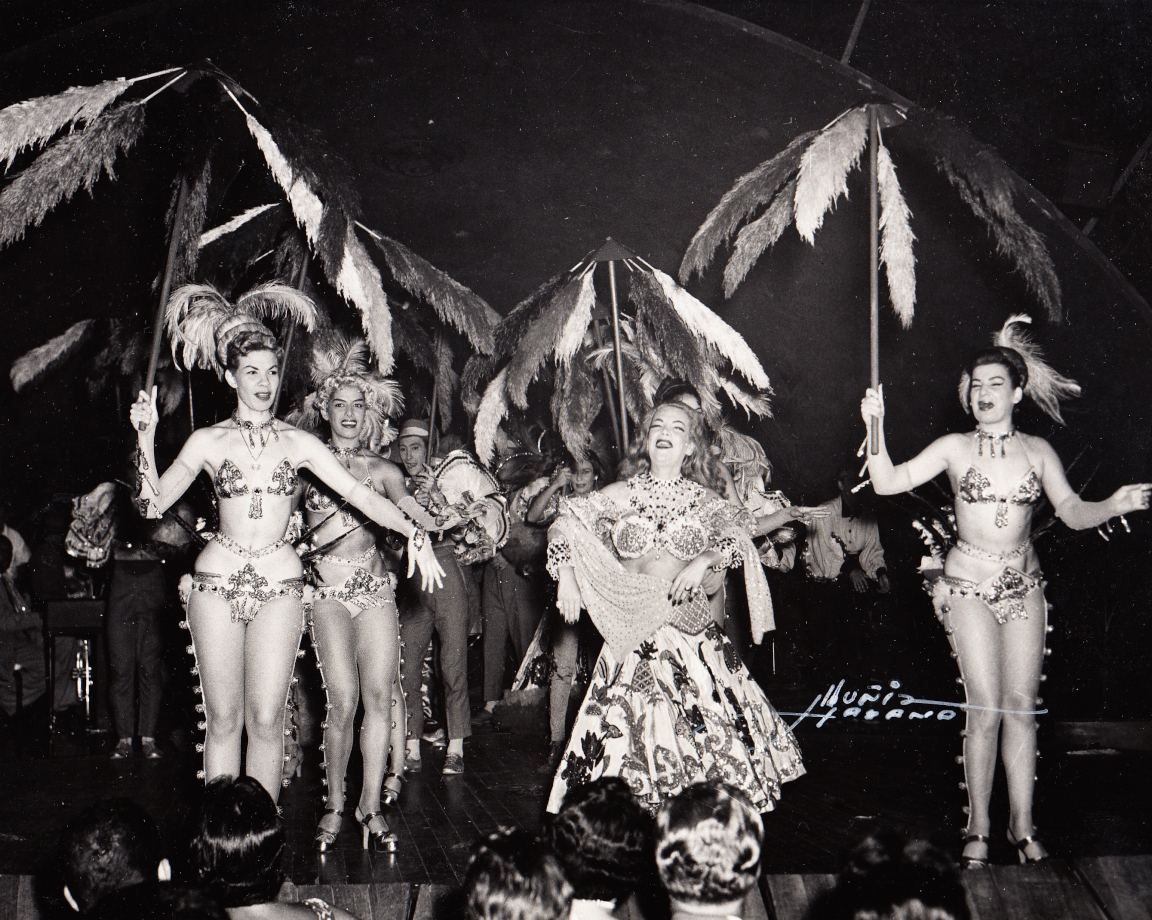
I imagine that someday the best pieces of my collection will be included in the first illustrated book about Cuba’s unparalleled entertainment industry in the “fabulous fifties.” Contributing to that body of photographic evidence, a monument for those who will come after, is a rewarding legacy.
Through the photos, background research and interviews, I learned how much talent, passion, vision and entrepreneurial spirit it took for so many people to transform a simple Cuban mansion into the most exotic and glamorous nightclub in the Americas.






