

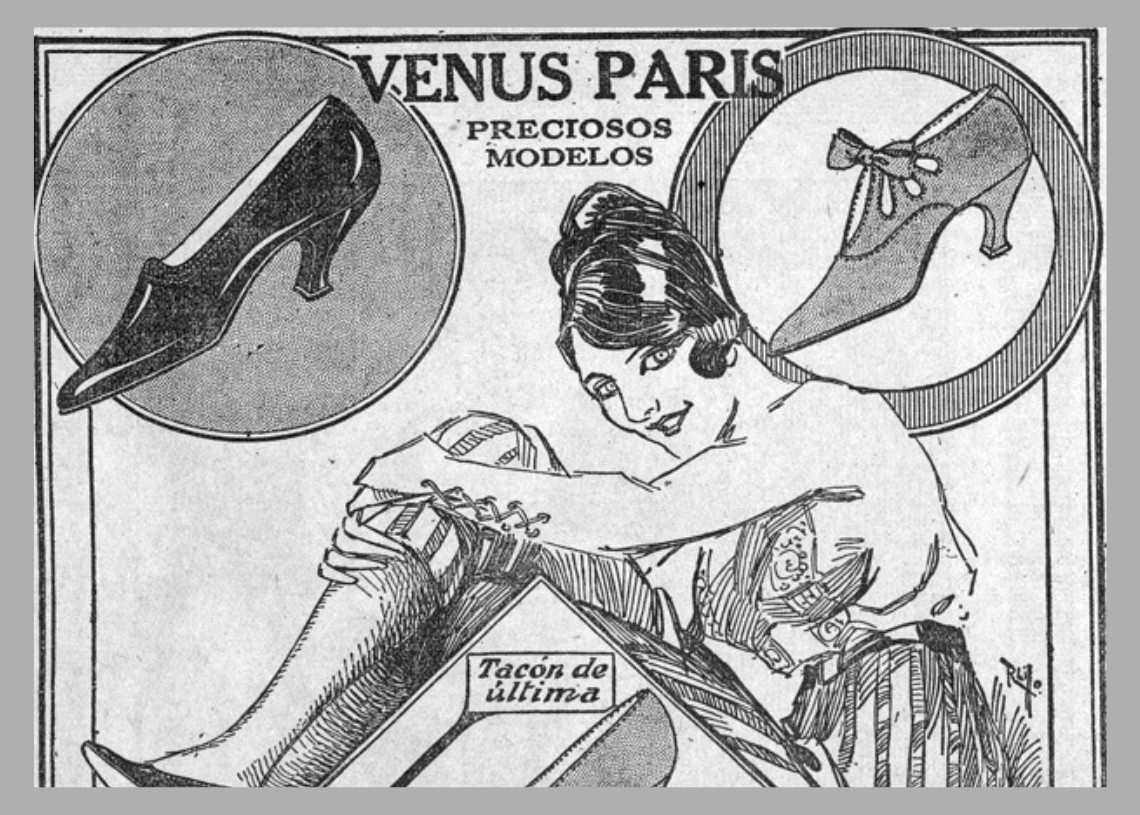
The exhibition of industrial products in the Palatino Park in Havana in 1909, as I mentioned in previous article of this series, showed the public opinion the progress of the incipient Cuban footwear industry that was moving from the artisanal to the industrial phase. The most notable case in that period was that of a Spanish immigrant, with vast experience in the sector, named Antonio Cabrisas Abásolo.
The company of this Catalan had its peculiarities. Unlike most immigrants dedicated to the manufacture of shoes, he moved his business from Barcelona, where he had an industry that had been exporting footwear to Cuba for more than 30 years. His Napoleones and El Chivo brands were sold in the La Moda and La Reina shoe shop in Havana as early as the 1880s.
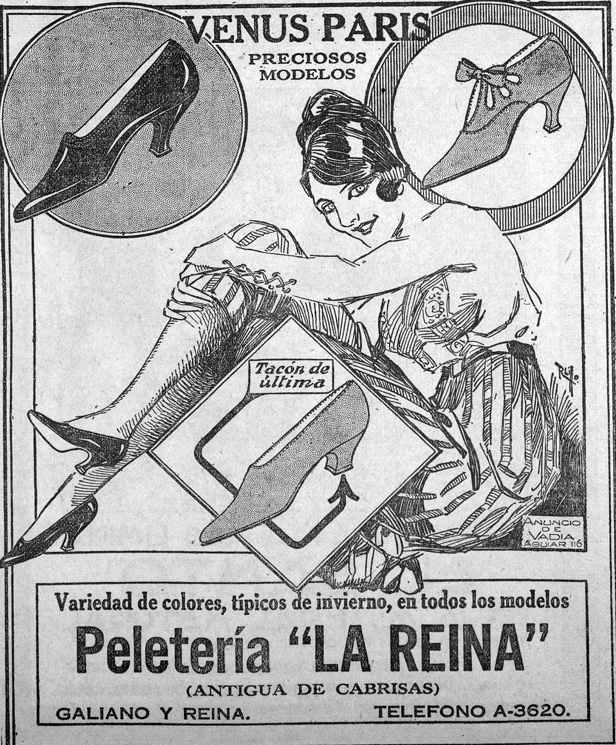
Cabrisas closed his business in Spain to establish himself in the Cuban capital in 1903 and set up the factory in El Cerro, opened a shop to sell the production on Reina and Galiano and created a tannery in Marianao to tan the hides that he would use to make the soles and other parts of the footwear.
According to the Diario de la Marina, he introduced some innovations in this business such as an exclusive room for ladies to try on shoes “free from impertinent curiosity”; a reading room with newspapers and illustrated magazines on current fashion, humorous journals, etc.; he also offered a free shoe cleaning service; if the buyer wanted, he would take the merchandise to his home and he guaranteed foreigners that they would be able to communicate with the employees in English.
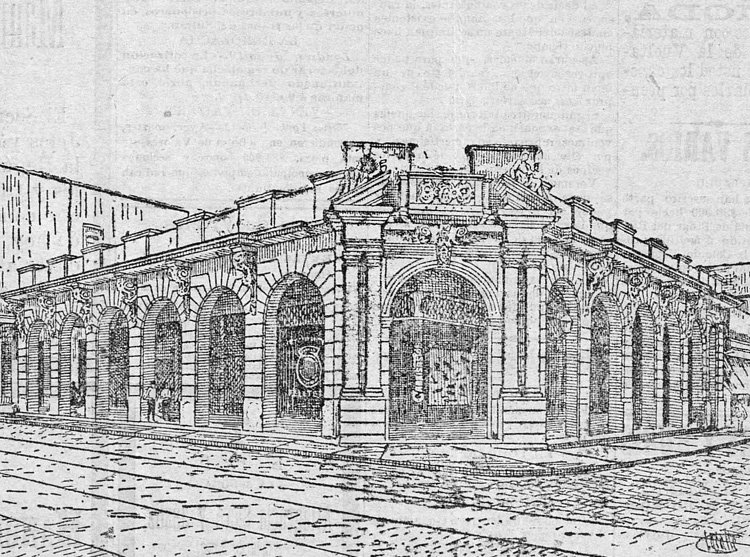
In July 1905 he traveled to the United States to buy machinery and merchandise. By that time his venture, called Cuba Fabril, employed more than 100 workers, the number of workers was not high due to the use of motors in the production process.
On September 9, 1909, the Diario de la Marina reported the unfortunate suicide of Cabrisas in his house located at No 2 Pedroso Street, in El Cerro. His children would keep the reputable company running, which, as the aforementioned newspaper would value, “had provided the city of Havana with an element of wealth and prosperity, of true beautification, filling a need felt by all in the change of social and commercial relations, both things that contribute to the industrial growth of the Republic of Cuba.… The work carried out by Antonio Cabrisas is a living example of what industrial activity can achieve in its most splendid development.”

The researcher María Antonia Marqués Dolz in her doctoral thesis Las inversiones menores: empresarios y empresas en Cuba (1880-1920) specified that Antonio Cabrisas, when he died, marketed the brands Cabrisas, El Chivo, Antillanas, El Caballo, Hispania, Hipnótica, Terpsicore and Suprema.
National Footwear Company
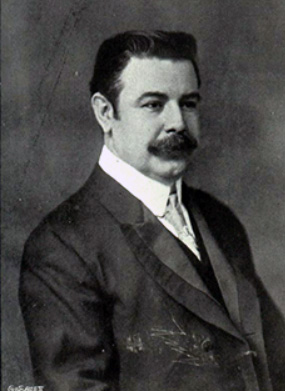
In the Havana neighborhood of Villanueva, curious neighbors witnessed the start of a small shoe manufacturing company in 1911. The owner, Sebastián Benejam, a native of Menorca, Spain, was a well-known merchant in the city, because he also owned two important shoe shops: Bazar Inglés and Washington.
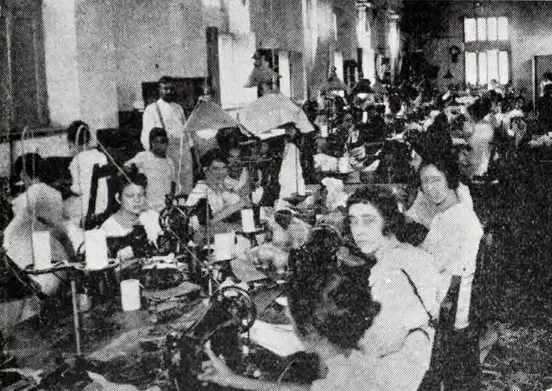
José Triay León, the company’s assistant director, told the magazine El Fígaro in August 1919 that Benejam had started with a capital of just 6,500 pesos and that in the first year he sold merchandise worth 65,000 pesos. The business progressed quickly as it specialized in the production of women’s shoes, made by skilled workers he hired in Menorca and brought to Cuba, who used the same techniques learned in Spain in the factory.
The Havana correspondent of the newspaper La Voz de Menorca recalled, in July 1919, other details about the initial stage of the company:
“Mr. Benejam soon realized that his initiative would give him huge profits, because in addition to having the great advantage of receiving fresh footwear every week, he could often change his windows with elegant types (illegible) to the taste of the country, which no shoe store other than Mr. Benejam’s could do…he soon expanded the manufacturing and shortly afterward a public corporation was formed with a respectable capital, immediately buying La Industrial and soon after it was also the owner of that of Mr. Cabrisas.”
In times of war
During World War I, footwear imports from Europe, mainly from Spain, were affected. As a result of this situation, producers in the United States and those based in Cuba benefited.
According to the report we have mentioned, published on July 12, 1919 in La Voz de Menorca, the number of shoe factories in Havana multiplied to reach the figure of 25. Most were in El Cerro. The increase in population and the increase in purchasing power guaranteed the consumption of the production.
In 1917, the three factories run by Benejam signed a contract to supply footwear to the army. Until that date, only José Bulnes’ company, the oldest in operation in the country, had that privilege.
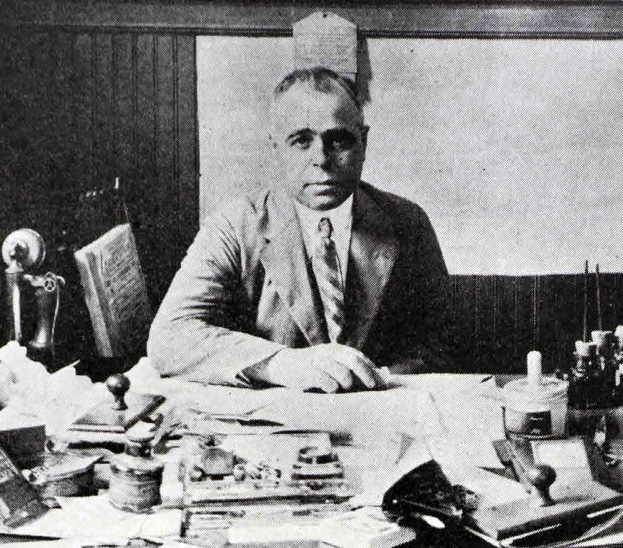
The National Footwear Company was founded by Benejam and other shareholders in 1918 as a public corporation. They made 2,000 pairs of shoes every day. He served as General Director. José Marimón Juliach — a well-known figure in the financial world — was the president. The vice-presidency included two other prominent bankers: Armando and Gustavo Godoy. The lawyer and renowned intellectual Fernando Ortiz served as secretary.
In 1919, the industry of this company employed approximately 600 workers and spent 600,000 pesos annually on salaries, according to information provided by José Triay León, who added to the journalist from El Fígaro that they were making two million pairs of shoes a year and since they still did not satisfy all the demand of the national market, they were in the process of expanding the manufacturing facilities and had planned to add another 13 factories to the company.
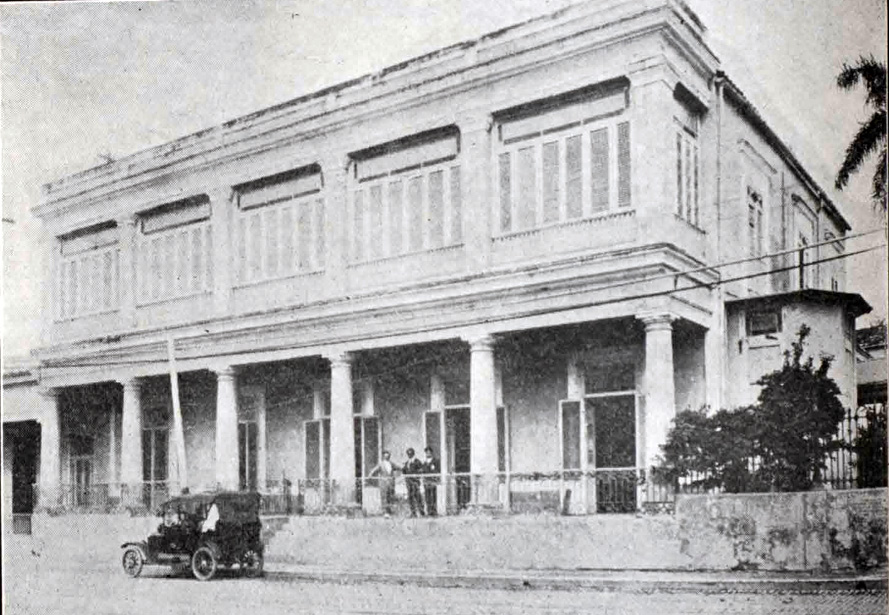
In 1919, a branch of the U.S. company United Shoe Machinery Corporation was already operating in Calzada del Cerro, according to El Fígaro “the most important manufacturing center for shoe-making machines in the entire world.”
The establishment benefited Cuban industrialists by providing them with modern machinery and spare parts that previously had to be purchased in the United States.
In addition to the National Footwear Company, the following were also clients of this company: José Bunes S. en C.; Compañía Unida de Calzado S.A.; Incera y Compañía: Bartolomé Llorens, Miñana y Hno, Modesto González, Manzano y Compañía, Méndez and Gomila S. en C.; Hernández y Blanco; Cueto y Compañía, García y Compañía, among others. Some businesses were located in other provinces such as Matanzas and Santiago de Cuba.
In times of crisis
After the period of prosperity, the Dance of the Millions, experienced during the period of World War I, due to the high prices of sugar on the international market, the Cuban economy entered into a serious crisis and the era of the Lean Cows began.
From 23 cents per pound of the sweet grain, it dropped to 2. The bankruptcy of businesses and the chaos of the banking system caused panic in society. In 1922, the National Footwear Company was dissolved due to losses and its properties were acquired by the Consolidated Footwear Company S.A.
Others were able to survive the crisis. To do so, some began to make various goods, for example, saddlery (coats, belts, saddles, suitcases, wallets, transmission belts, etc.).
The truth is that in 1925, 41% of the footwear needed by the population was produced in Cuba. Achieving this, in the midst of an unfavorable economic environment and with the rivalry of the powerful U.S. and Spanish footwear industries, was undoubtedly very meritorious.
And not only that, there were those who took risks to start in the business. Perhaps the best-known case is that of the Ingelmos, natives of Salamanca, Spain.
In 1924, Cristóbal founded the company in a workshop that he owned on Infanta Street in Havana. In 1931 he established his factory in El Cerro.
His brothers Anastasio, Abilio and Paulino Ingelmo García joined the venture. In 1958, historian Guillermo Jiménez Soler said, it produced “more than 1,000 pairs a week, had agents in the country and exported to the United States, Puerto Rico, Jamaica and other Caribbean countries.” It was then the largest of the 185 men’s shoe factories operating in Cuba. It employed 174 workers.
It will be worthwhile to mention later what happened outside of Havana, where the business fabric of small and medium-sized production units was integrated into shoe industries in all the important cities of the country and even in towns.
Statistics published in the special edition of the Diario de la Marina, published in 1957, reported that in 1954 there were 1,220 factories, with an invested capital of 8 million pesos, 11 million in production and 5,051 workers working in them, with salary expenses of 4,964,000.
________________________________________
Sources:
María Antonia Marqués Dolz: Las industrias menores: empresarios y empresas en Cuba (1880-1920), Ciencias Sociales publishers, Havana, 2006.
Guillermo Jiménez Soler: Las empresas de Cuba 1958, Ciencias Sociales publishers, Havana, 2008.
Diario de la Marina
El Fígaro
La Voz de Menorca






