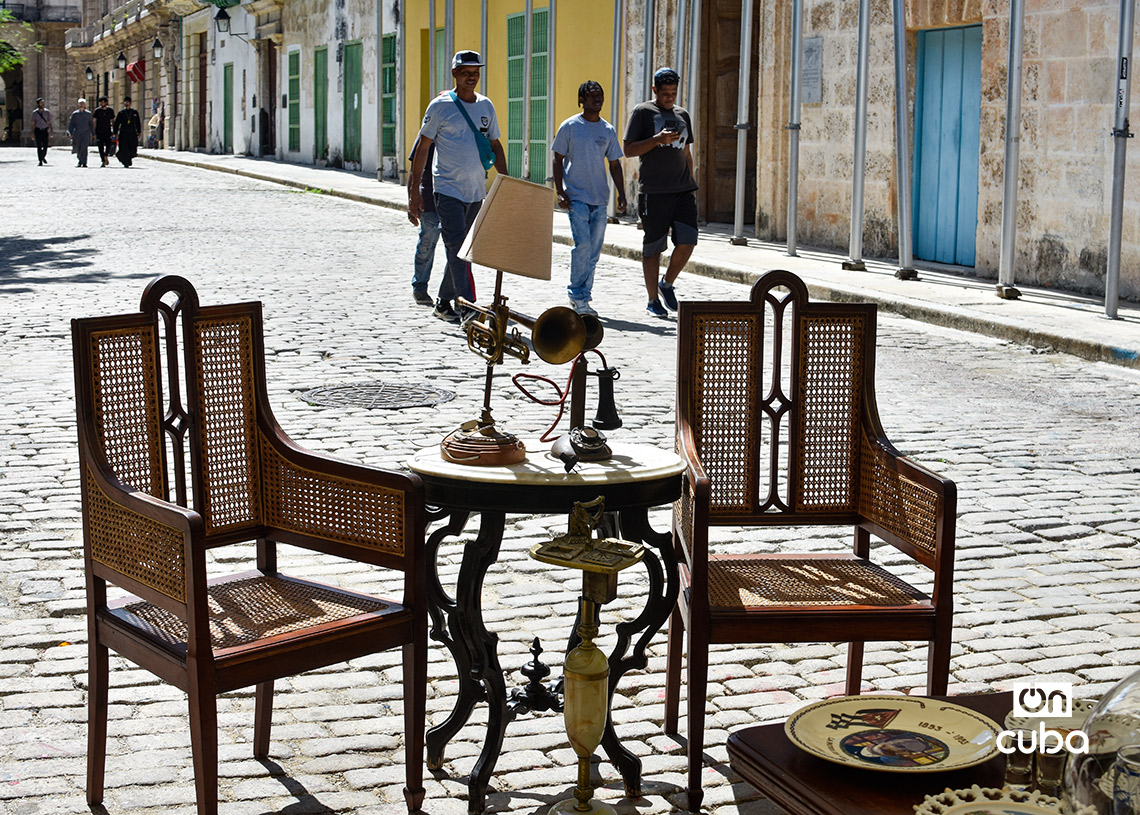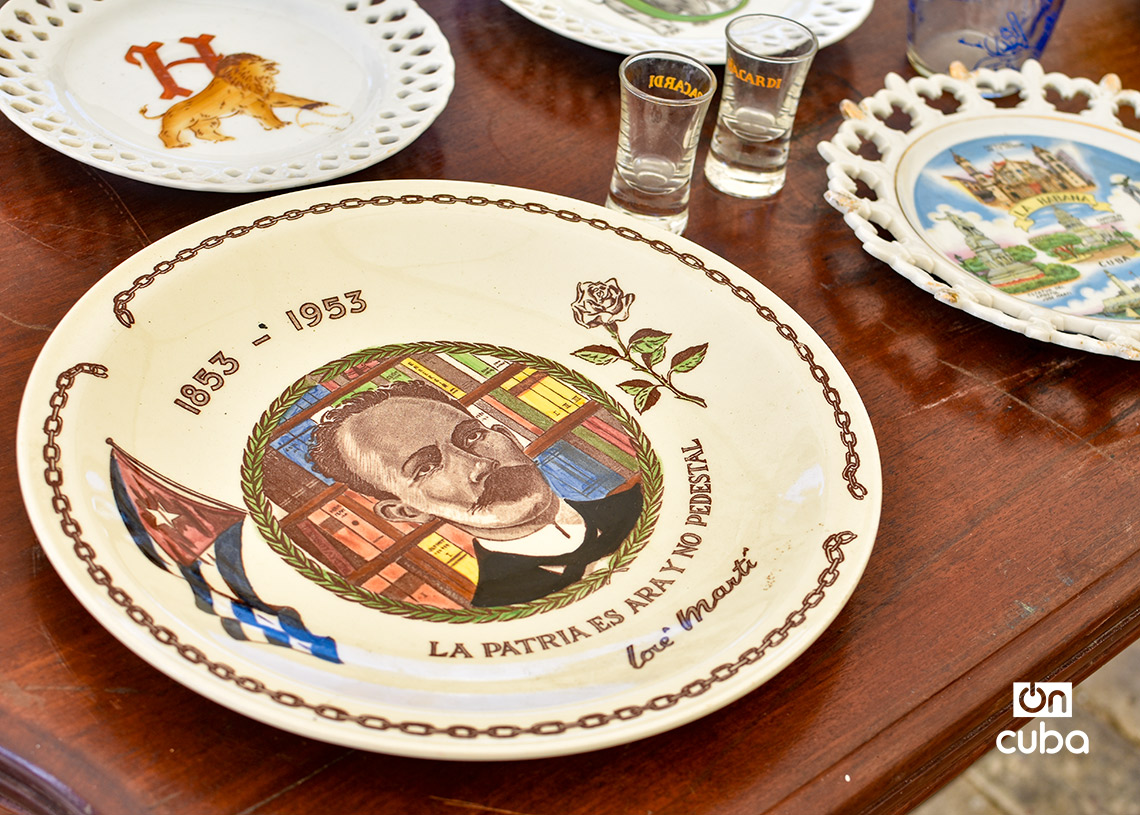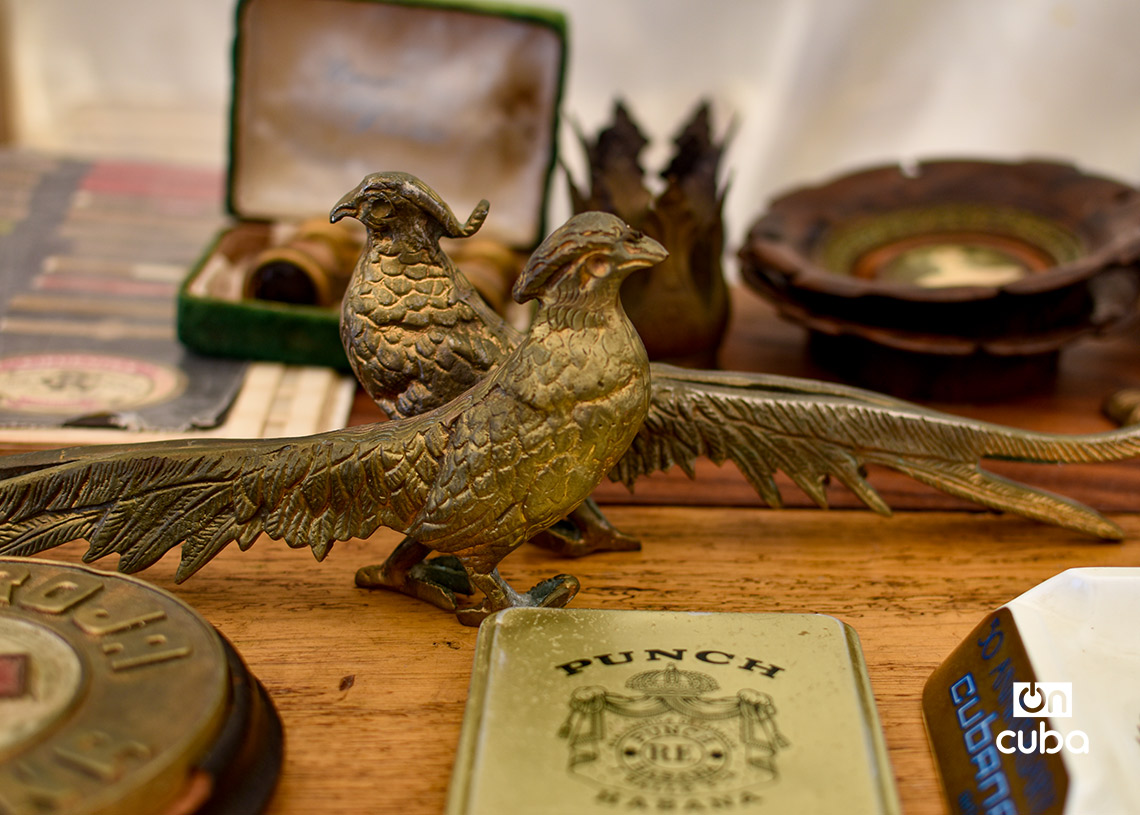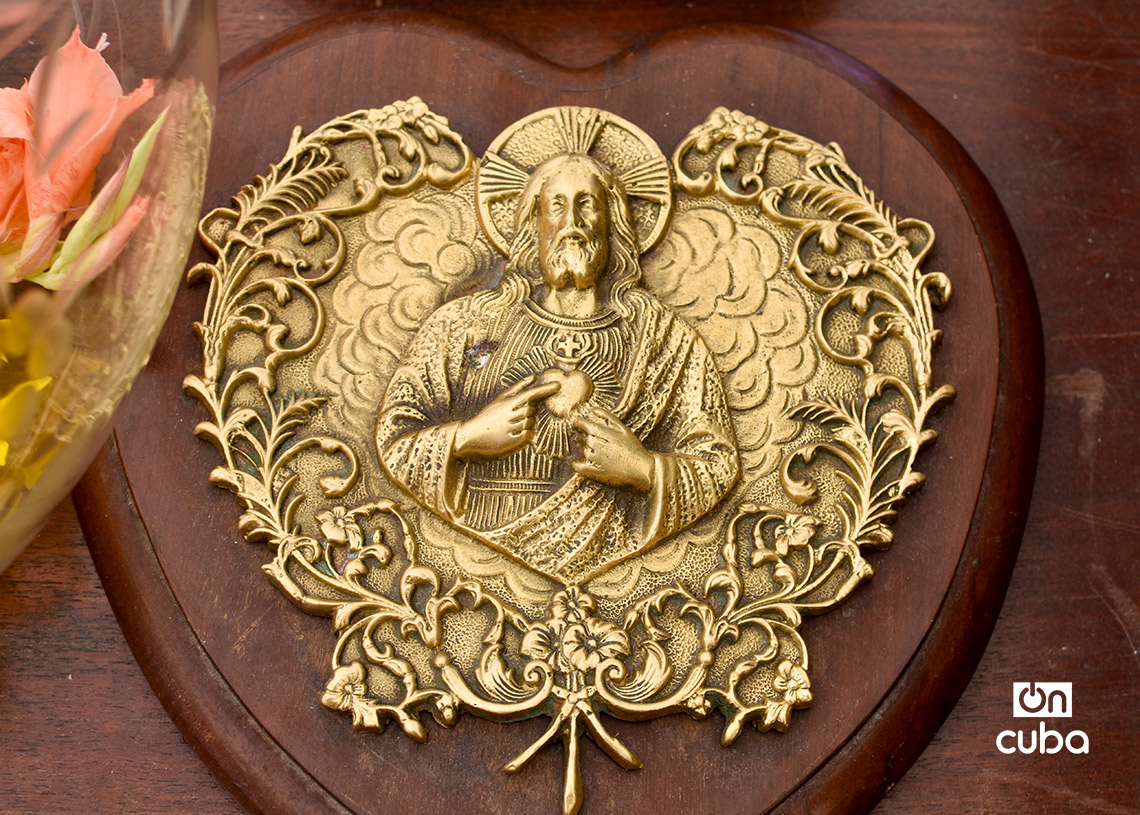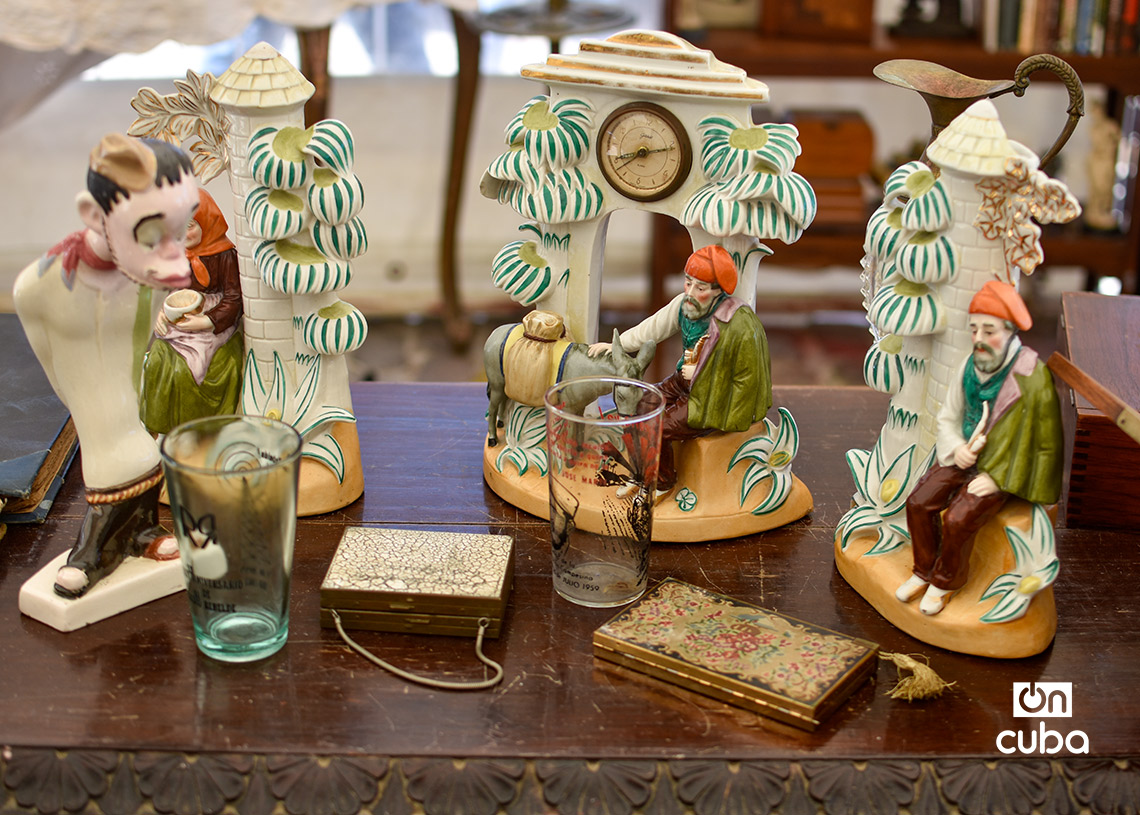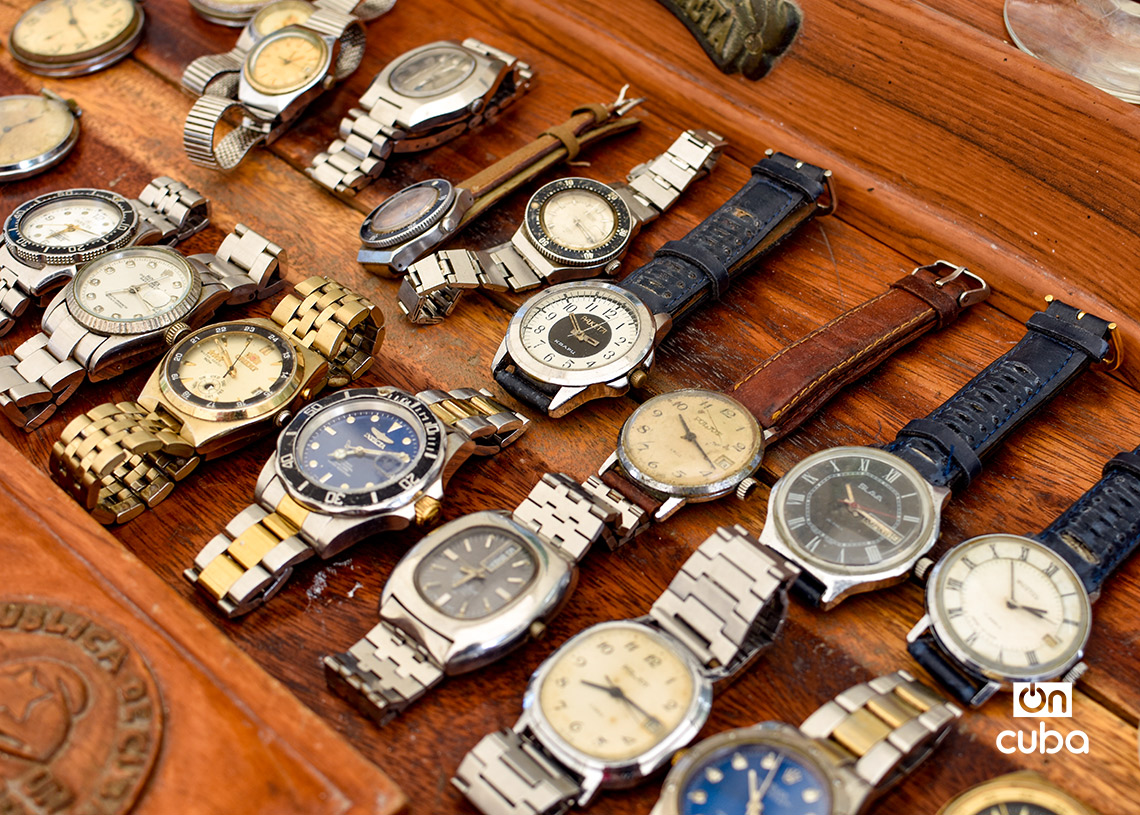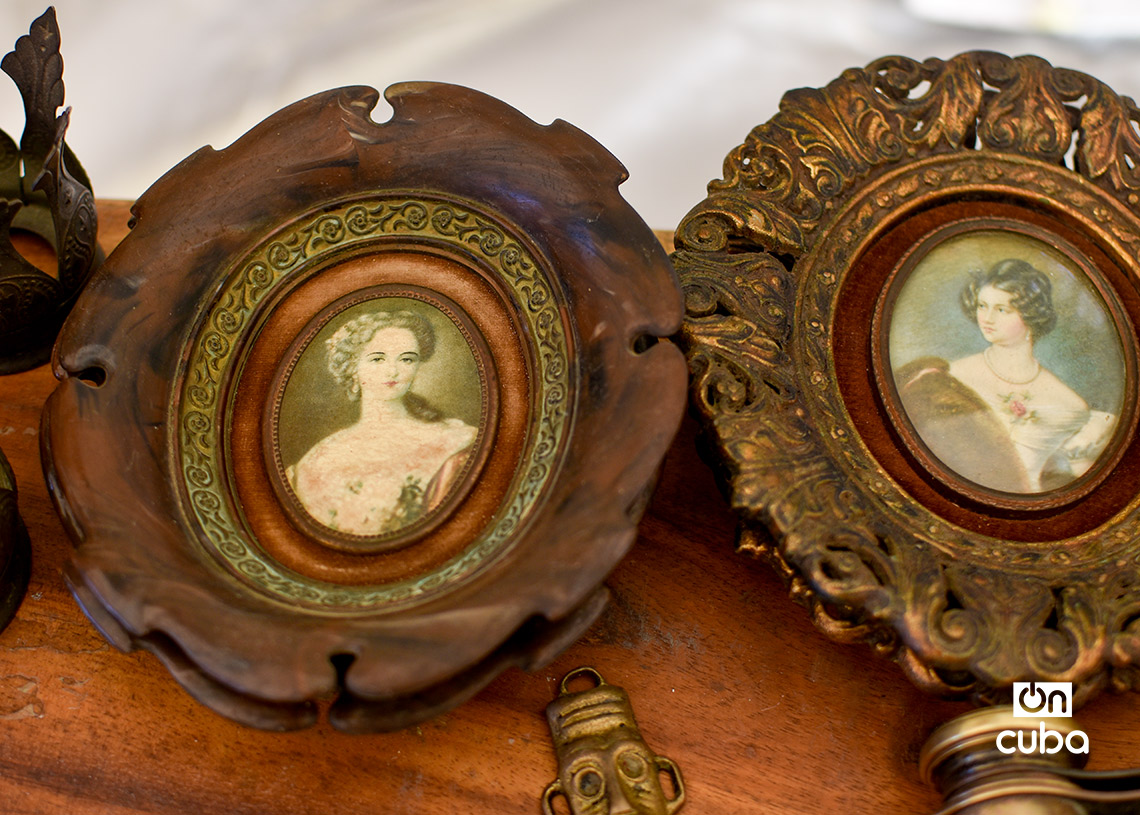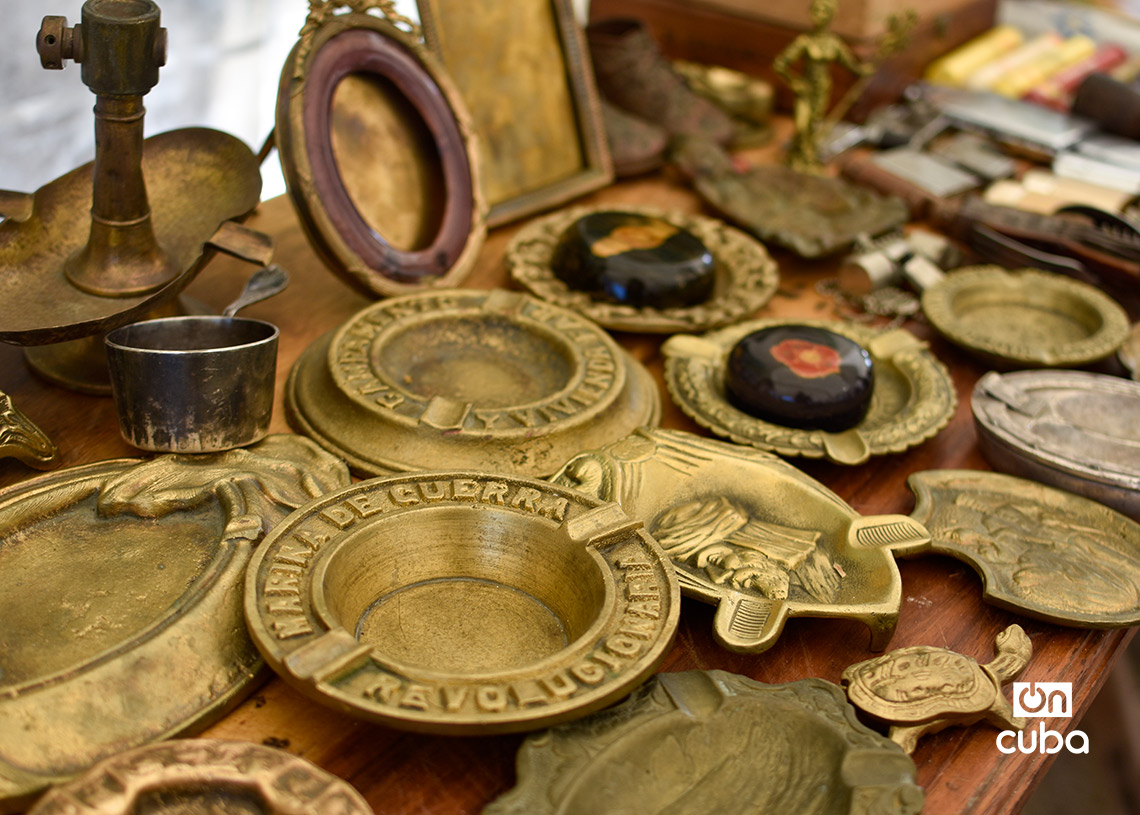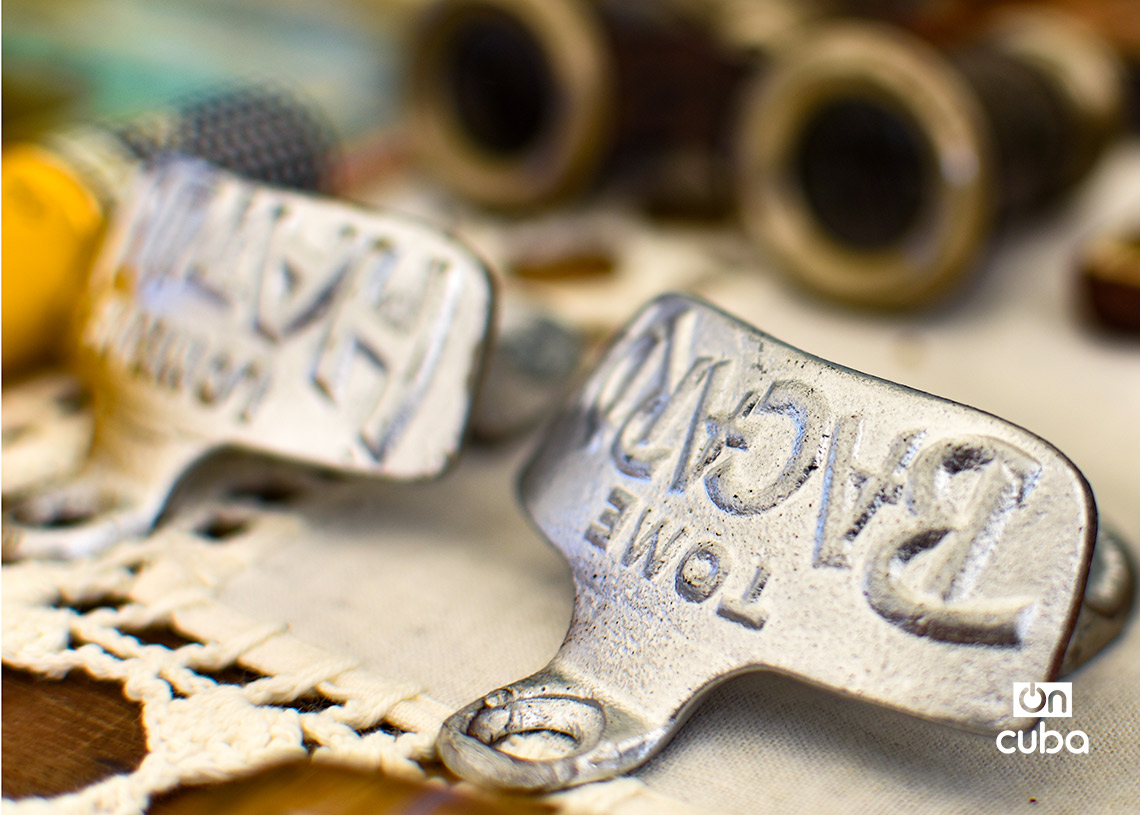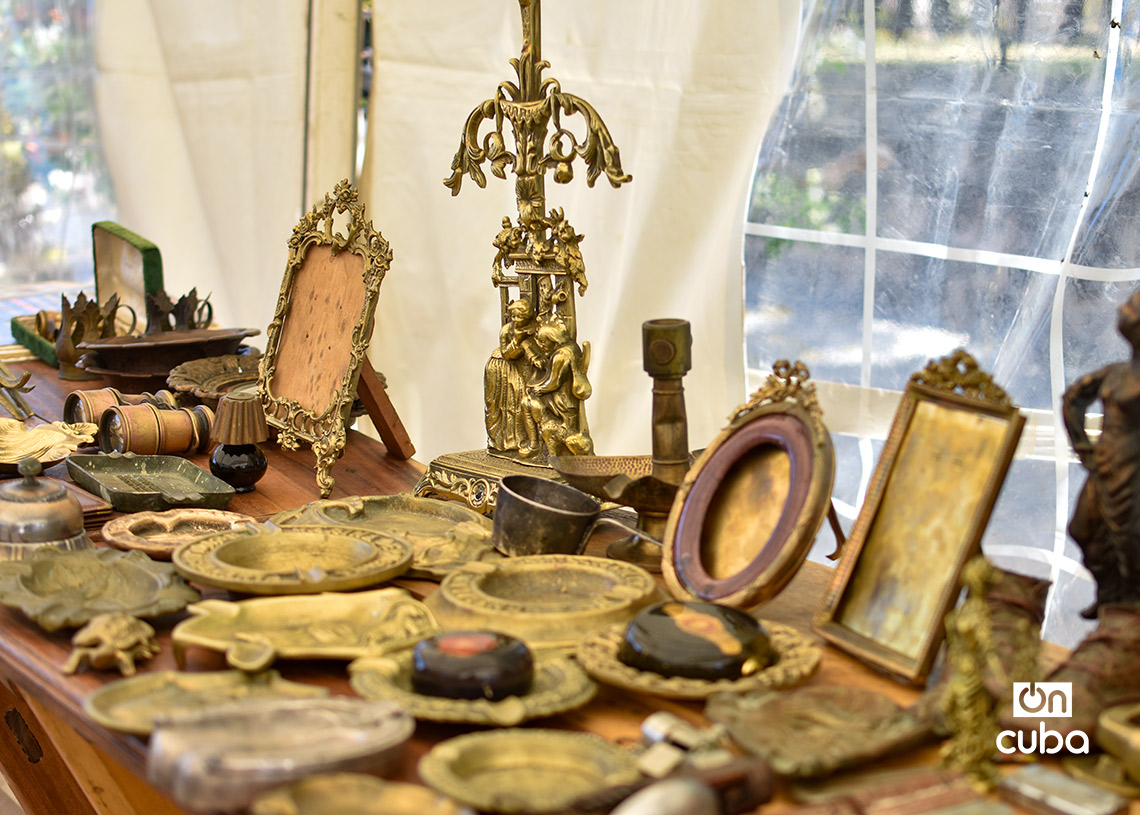
For Cuban collectors and antiquarians, Uranga Collections serves as both a bastion and a home. More than just a physical location — though it is certainly that as well — this local development project in Old Havana seeks to be a space for communion and visibility for a quiet, yet fundamental, guild.
The project is headquartered on Callejón de Espada, situated right inside the former residence of the celebrated Bishop Juan José Díaz de Espada y Landa — a building dating back to the 19th century. There, in Havana’s historic center, the project organizes its activities,which often spill out onto the street, and forges close alliances with various institutions.
Uranga Collections is led by a woman with a deep passion for collecting. Maylet Uranga Hernández — who credits the Office of the City Historian with playing a key role in her professional development — possesses a collection of over 5,000 books and other objects. Among these, items related to vitolfilia — the hobby of collecting cigar bands or rings — and tobacco heritage hold a place of particular prominence.
As President of the Cuban Vitolfilic Association — which is also based in the former home of Bishop Espada — Uranga Hernández is a firm believer in the value of those dedicated to this pursuit. “We safeguard this country’s heritage,” she asserts, “because without collecting, there is no history.”
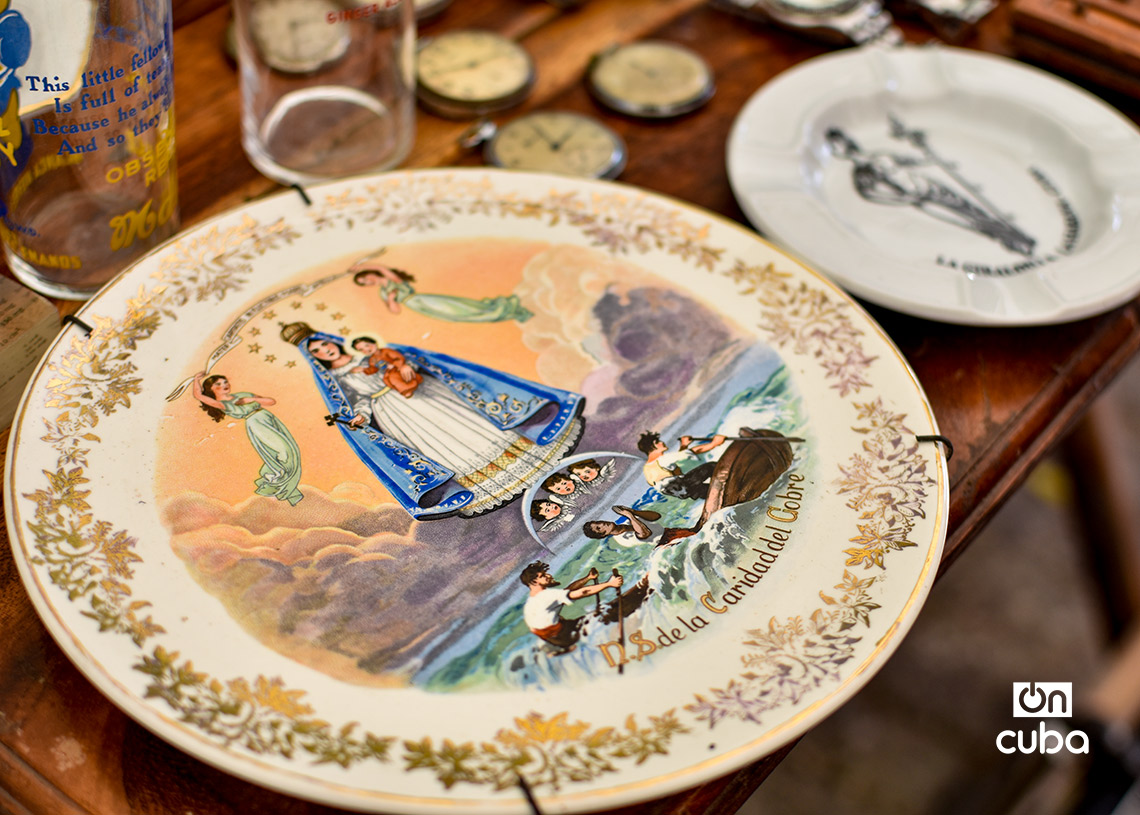
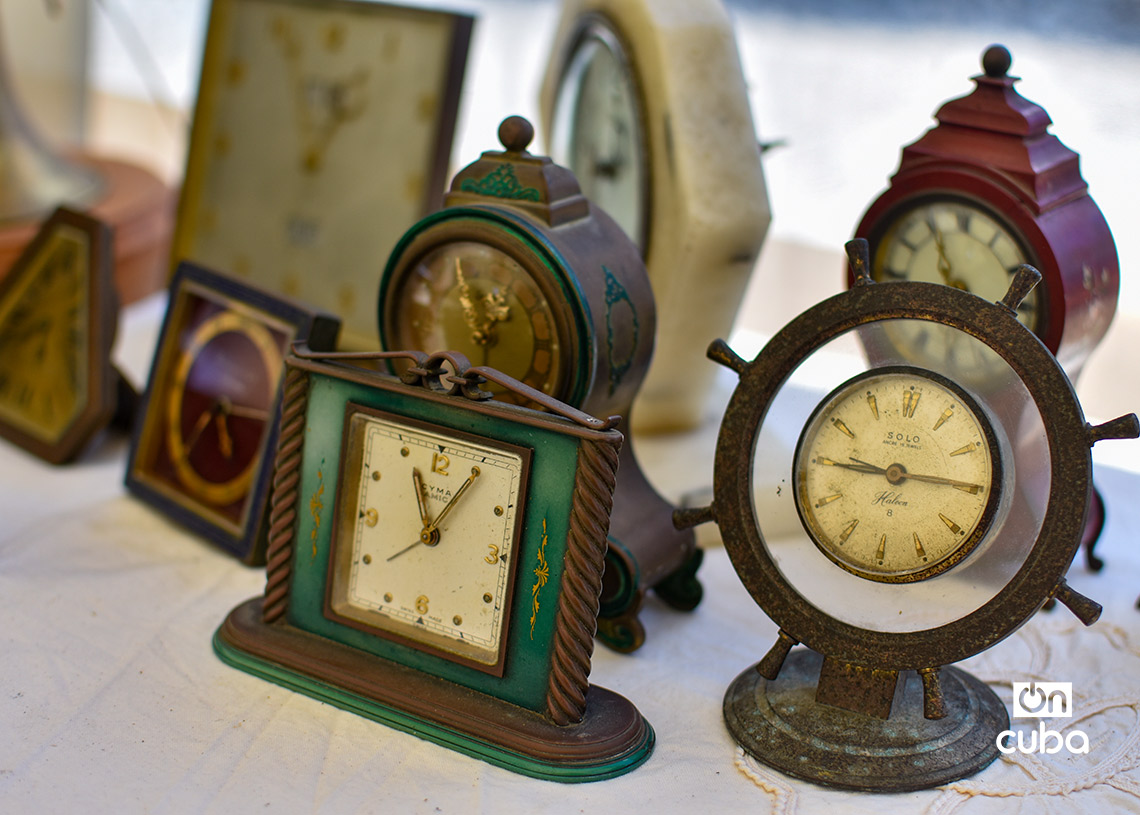
At the project’s headquarters, which serves simultaneously as a café and a venue for exhibitions and exchange, collectors gather periodically to discuss their work, expertise and future plans amidst the country’s current challenging landscape, all to share the common purpose that unites them.
“This project has served as a source of motivation for collectors, bringing us together with a shared objective — regardless of whether we specialize in vitolfilia, numismatics, philately, or any other field, such as furniture or books,” Uranga Hernández noted to OnCuba.


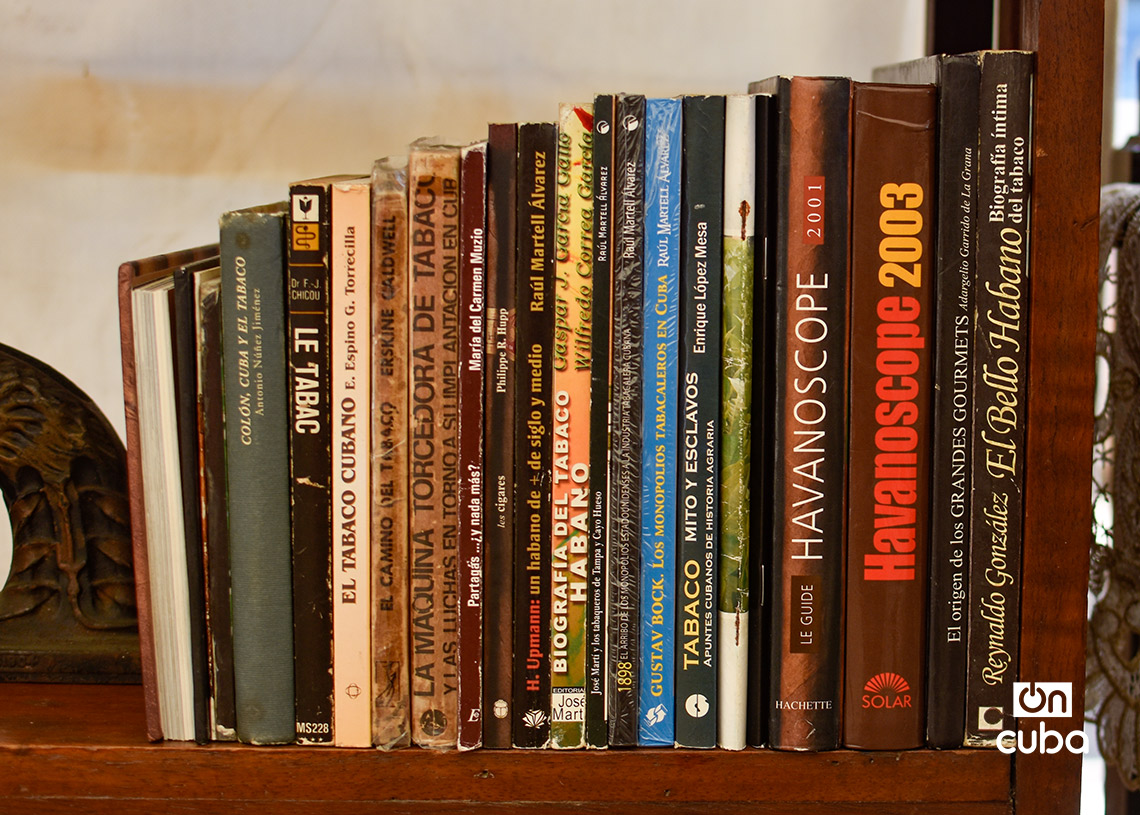
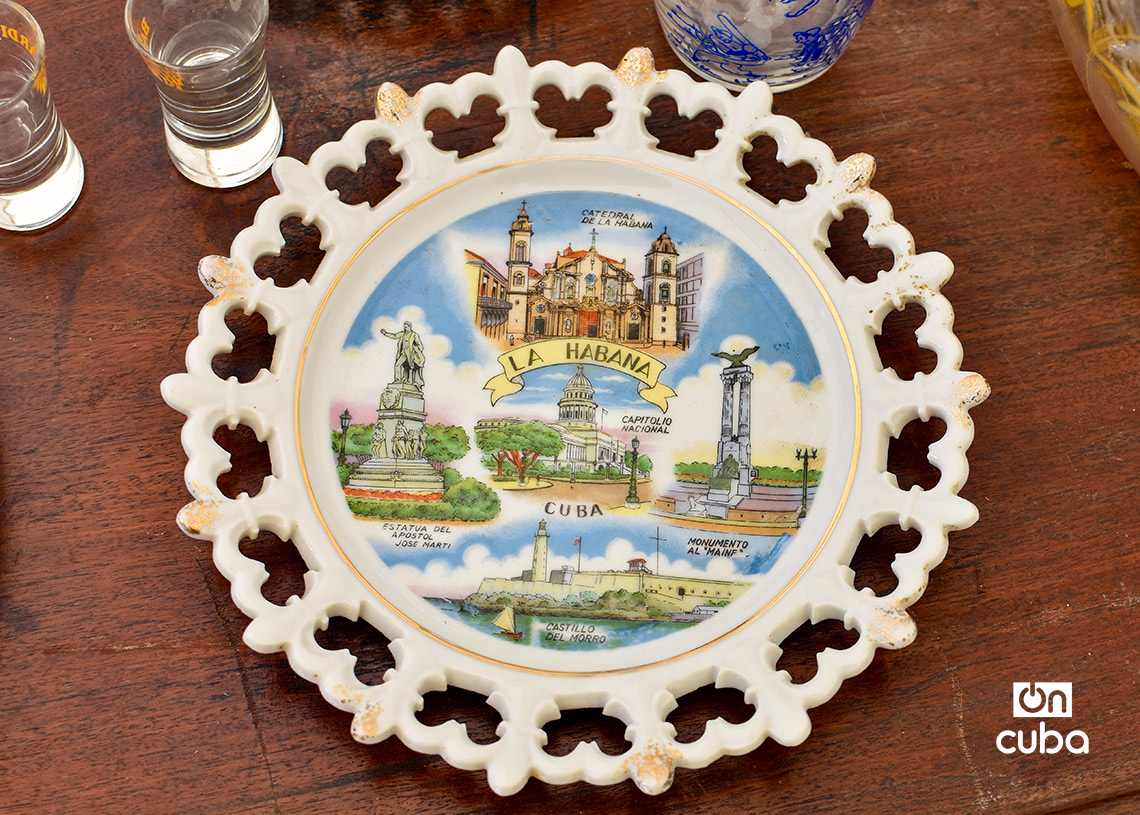
The plans for Uranga Collections show no signs of slowing down. The project continues to invite collectors to showcase their holdings and share their knowledge — not only with fellow collectors but also with the general public — so that people, “even under these circumstances, can enjoy art, literature and history” through the pieces on display.
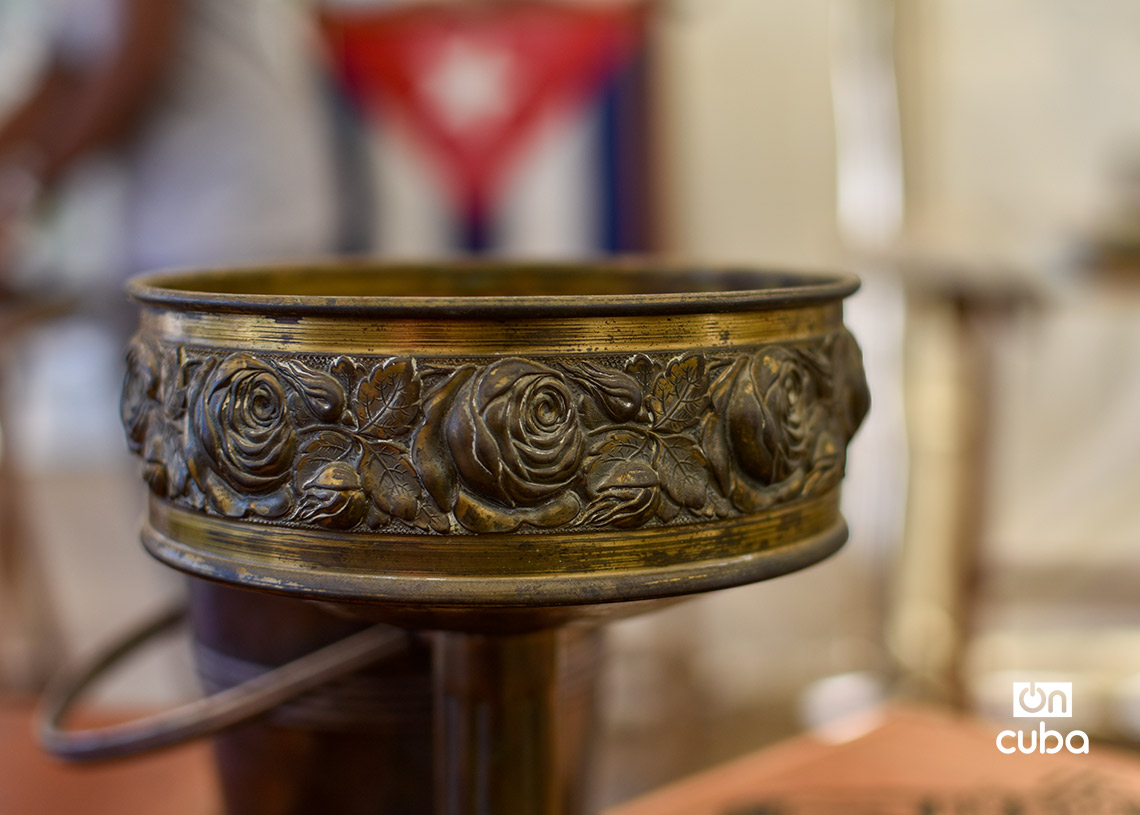
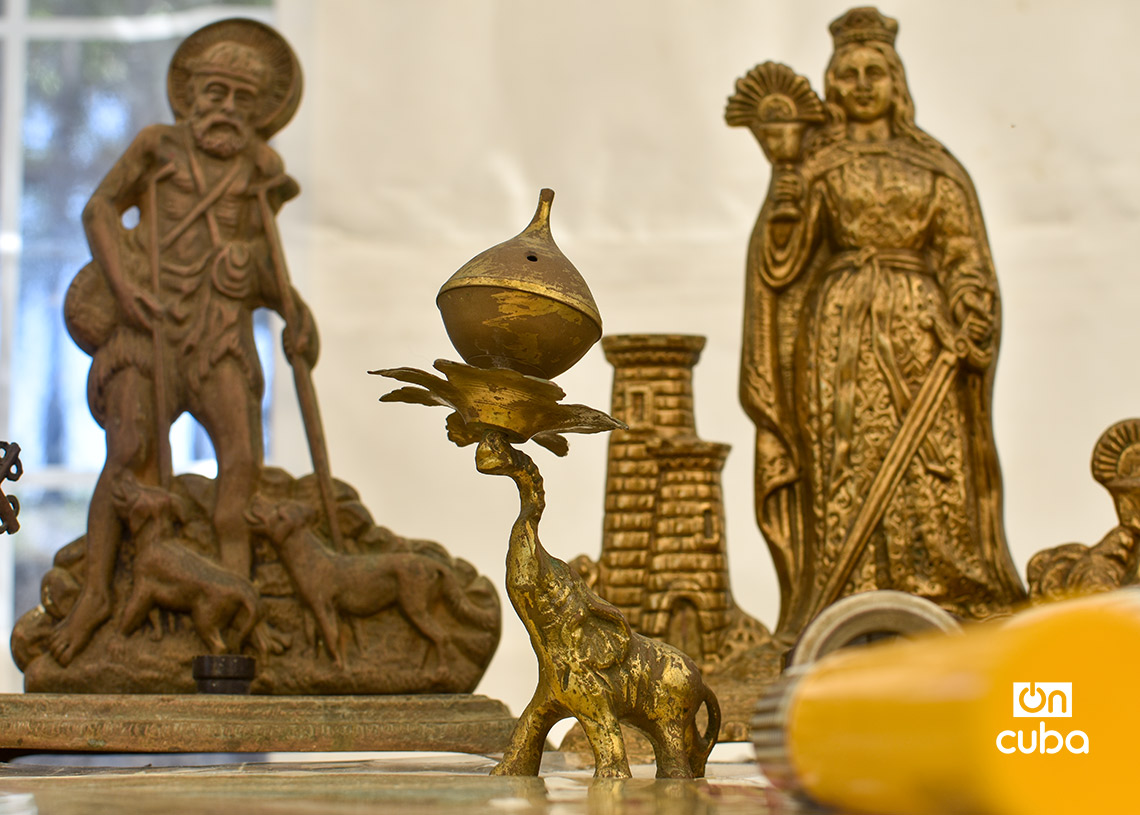
“This is a marvelous world,” declares Uranga Hernández, who invites residents of her community — and those beyond it — to visit the headquarters and engage with its activities and exhibitions. And as a brief glimpse into this world, photojournalist Otmaro Rodríguez presented to us this Sunday a small selection of the collections gathered under the impetus of this Havana-based project.