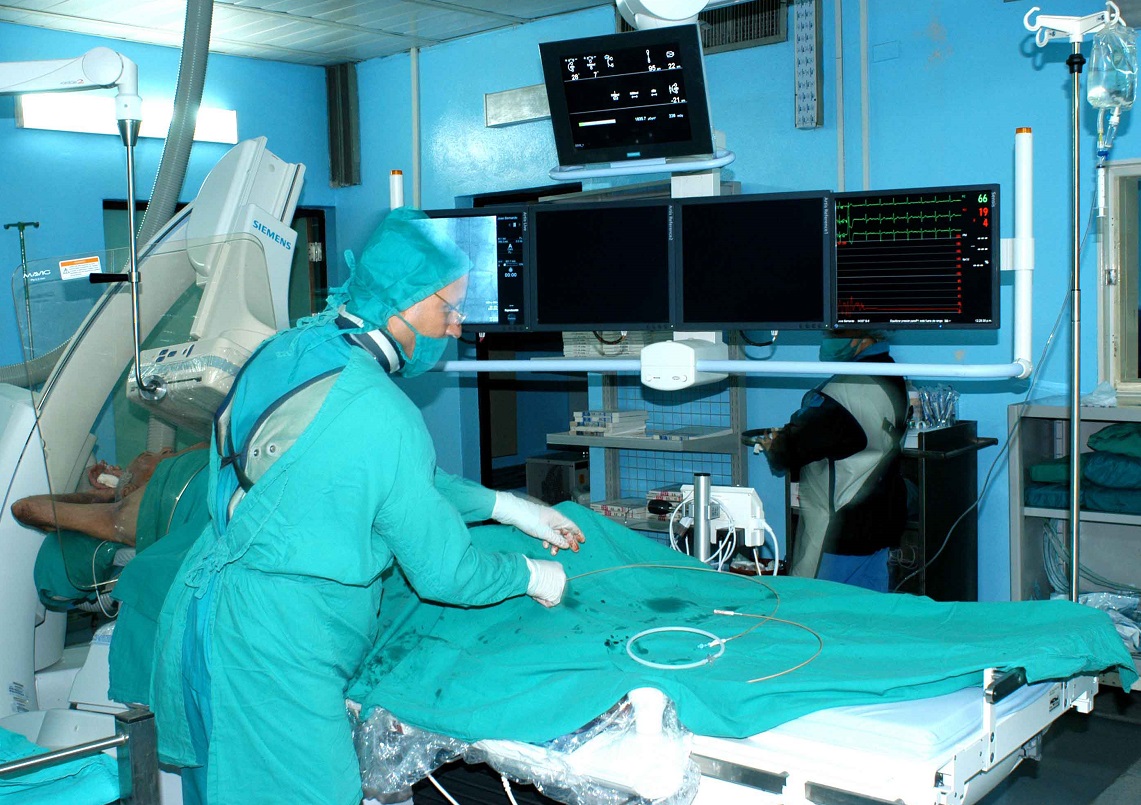
Cuban Minister of Public Health José Ángel Portal Miranda stated that the surgery waiting list in the country has reached 96,387 patients, of whom 11,193 are children, a situation he directly linked to the U.S. oil embargo against the island.
In a column published in the newspaper El Heraldo de México, the health minister explained that difficulties in guaranteeing fuel and energy stability have forced the Cuban healthcare system to postpone non-urgent surgeries in order to prioritize cancer treatments and other life-threatening procedures for patients.
According to Portal Miranda, the U.S. measures, which include sanctions, the targeting of fuel purchase contracts and pressure on shipping companies that transport oil to the island, have created a situation of “energy asphyxiation” that directly impacts the functioning of the National Health System.
The minister pointed out that behind the figures are patients and families waiting for medical solutions, but that the current energy crisis limits the operational capacity of hospitals and specialized services.
Impact on health programs
The official detailed that other sensitive programs are also facing difficulties. Among them, he mentioned the monitoring of some 32,000 pregnant women who require diagnostic ultrasounds.
Portal Miranda also spoke of problems with refrigerated transport logistics that have affected the timely administration of vaccines to more than 30,000 children, even though the vaccines are available in warehouses.


Furthermore, the health system is currently treating 16,000 patients in radiotherapy and 2,888 people who depend on hemodialysis treatments, services that require a stable power supply to function.
Reorganization of the healthcare system
Portal Miranda stated that, despite limitations, the Cuban healthcare system is not collapsing, but rather has implemented reorganization measures to maintain essential services.
Among the actions mentioned are the strengthening of primary care, the promotion of the family doctor and nurse program, and the use of tools such as telemedicine to guarantee continuity of medical care.
The minister also emphasized the role of healthcare personnel who, he indicated, maintain services despite the difficulties they also face in their daily lives due to the energy crisis.
Appeal to the international community
In his article, the minister of health also called on the international community to support Cuba in the face of measures affecting access to fuel and essential resources, considering that public health should not be conditioned by political disputes.
“The impact of the lack of energy translates directly into risks for the population, especially for the most vulnerable sectors,” he stated.
The already protracted energy crisis on the island has intensified after Trump signed a presidential order in late January imposing tariffs on those who supply fuel to Cuba, halting oil shipments to the country and paralyzing much of the island’s economic and social activity.