ES / EN
- August 19, 2026 -
No Result
View All Result
OnCubaNews
  • World
  • Cuba
  • Cuba-USA
  • Opinion
    • Columns
    • Infographic
  • Culture
    • Billboard
  • Sports
  • Styles / Trends
  • Media
  • Special
  • Cuban Flavors
  • World
  • Cuba
  • Cuba-USA
  • Opinion
    • Columns
    • Infographic
  • Culture
    • Billboard
  • Sports
  • Styles / Trends
  • Media
  • Special
  • Cuban Flavors
OnCubaNews
ES / EN
Home Cuba

On Africa Day. “We are all a bit loquat”

Cuban scholar Fernando Ortiz established that the island could not be understood without the African presence, time and time again looked down in the identity discourses in use.

by
  • Alfredo Prieto
    Alfredo Prieto,
  • alfredo_prieto
    alfredo_prieto
May 26, 2020
in Cuba
0
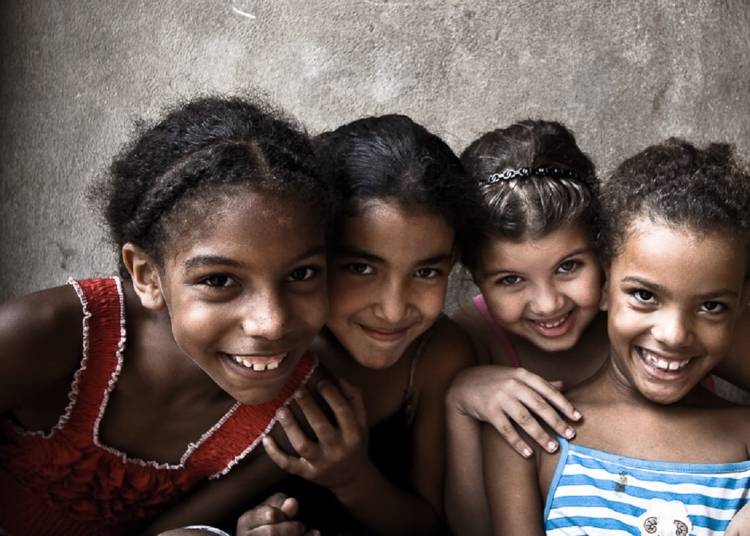
Photo: Flickr.

Photo: Flickr.

It would be commonplace to affirm that the racial question has historically been one of Cuban culture’s tough problems. The subject, of increasing importance as of the 19th century, has gone through different stages vis à vis the very complex process of construction of national identity. One of its correlates, racism, systematized prejudices forged from the perspective of a hegemonic white culture, which early on anathematized black individuals and practiced the exclusion of African slaves and their descendants from the national project, as evinced in the thought José Antonio Saco, one of the most controversial figures in our sugar aristocracy.

The Cuban case, however, has a kind of historical irony: the wars of independence would be the foundation of the nation, which inevitably meant the incorporation and participation of blacks, a distinctive feature of Cuban anti-colonial emancipation with respect, for example, to that of the Thirteen Colonies. In the process of constructing national identity, the 1895 War, organized from exile by José Martí, was particularly relevant, and it was led by popular sectors.
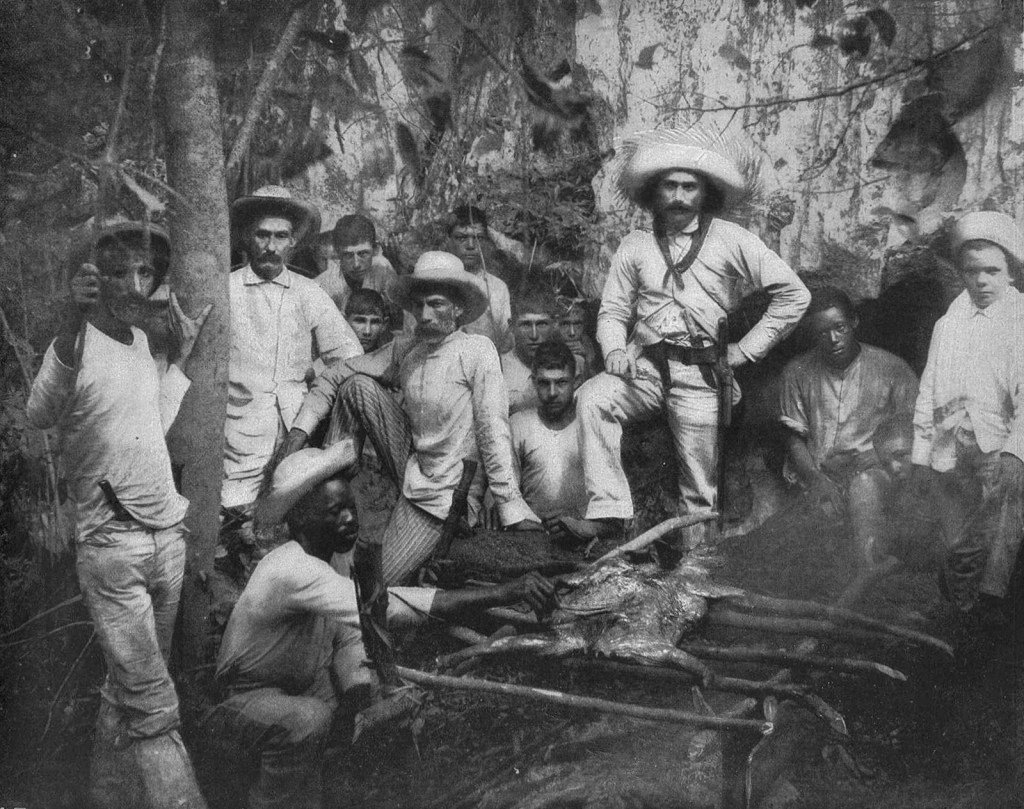
Mambí liberation fighters, 1895. Photo: Archive.

Despite the very high presence of black and mestizo fighters in the Liberation Army, and of Martí’s anti-racist thought to cement internal unity in the face of Spanish colonial rule (“man is more than white, more than black….”), academic research has been emphasizing that the war did not manage to bury the specter of discrimination, as confirmed by examining the proportion of high military ranks among blacks and whites, as shown by a classic book by Cuban researcher Ada Ferrer.

The Republic prolonged this obstacle since at the beginning of the 20th century the elites discussed Cuban identity in a peculiar way―the question was, Europe or the United States? ―until scholar Don Fernando Ortiz established that the island could not be understood without the African presence, time and time again ignored in the identity discourses in use.

He then coined an expression in my opinion much more academic than vital: “Afro-Cubans”. Not very precise, fundamentally, for two reasons: the first, because the national cultural process involved that fusion of Spain and Africa that he himself underlined so much and that would result in the Cuban-transcultural reality-other. The Cuban was, therefore, an integration of both (and others). And the second, because the Cuban blacks, unlike the Americans and even the Caribbean ones, as an overwhelming tendency did not return to Africa to consider it that lost paradise to which one had to return in the eternal search for happiness.
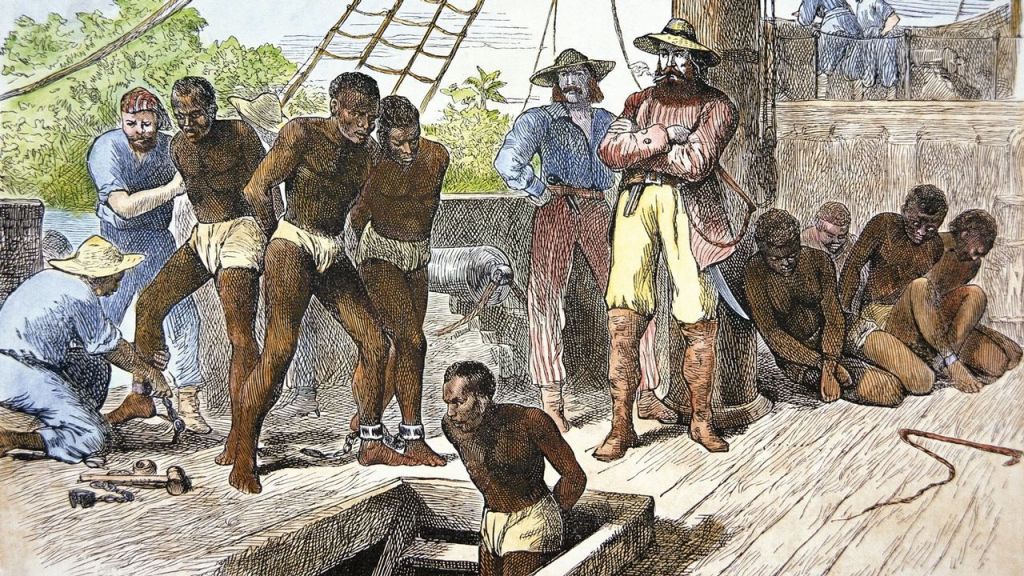
The slave trade. Photo: Archive.

Although there were no expressions of extreme segregation in the Republic, such as the Jim Crow laws in the southern United States, and the double standards that led to miscegenation―that which led Nicolás Guillén to declare, in a famous foreword, that here we “are all a little loquat”―continued there, and racial prejudice permeated social relations as a persistent stain.


Related Posts

Blackout in Old Havana, Cuba

Economic reforms and democratic opening

July 24, 2026
The area’s beauty and preservation have become the only draw for many. Photo: Lied Lorain.

Old Havana: ghost streets, closed venues, nonexistent tourism, and a subdued summer

July 23, 2026
An inclusive cafe in Havana employs young people

An inclusive cafe in Havana employs young people with Down’s syndrome and autism amid Cuba’s crisis

May 21, 2026
Cuban entrepreneurship

U.S. oil siege of Cuba weighs down private sector Washington seeks to aid

May 5, 2026

The Revolution of 1959 pronounced early on eliminating it through actions, access to beaches, public places and laws; but racism, as with any ideology, would end up reproducing itself in a “natural” way, beyond the structural reasons that based it and made it possible in various specific contexts. The 1990s did indeed show several signs of setbacks in this area, many of which continue until this day.
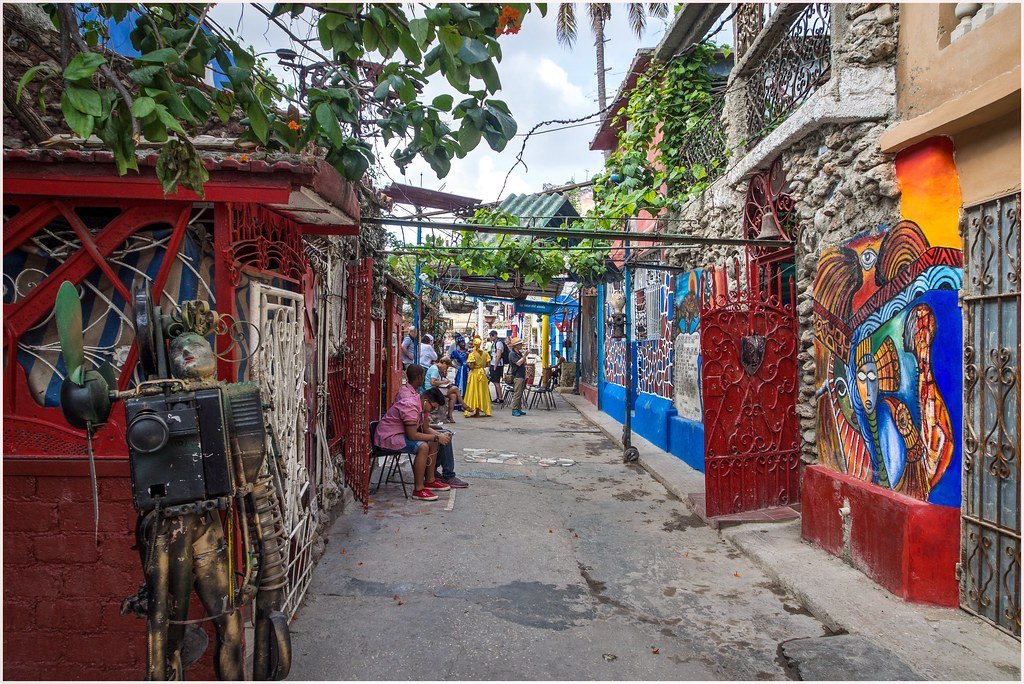
The Callejón de Hammel, Centro Habana. Photo: Flickr.

If anything characterizes Cuban society, it is its heterogeneity and the awareness of its multiplicity of identities. The racial issue is just one of the many that require a constant profile and social discussion, so that based on this, there can emerge proposals of solutions alien to the carbon copy of realities that do not necessarily articulate with an accumulated culture.
  • Alfredo Prieto
    Alfredo Prieto,
  • alfredo_prieto
    alfredo_prieto
Tags: Africa Daycuban society
Previous Post

Coronavirus: no new cases reported in China, but increasing in Latin America

Next Post

Part of Cuban medical brigade in Andorra will return home

Alfredo Prieto

Alfredo Prieto

Investigador, editor y periodista. Ha trabajado como Jefe de Redacción de Cuadernos de Nuestra América, Caminos, Temas y Cultura y Desarrollo, y ejercido la investigación y la docencia en varias universidades. Autor de La prensa de los Estados Unidos y la agenda interamericana y El otro en el espejo.

alfredo_prieto

alfredo_prieto

Next Post
Members of the Cuban medical brigade in Andorra. Photo: @Gustavo Machín/Facebook.

Part of Cuban medical brigade in Andorra will return home

Dr. Tedros Adhanom Gebreyesus, WHO director. Photo: Politico.

WHO decides to temporarily suspend hydroxychloroquine in COVID-19 patients

So far the effects of the pandemic on the island have resulted in 82 deaths and 1,963 infections. The number of recovered patients is 1,709. Photo: Otmaro Rodríguez.

Of the 16 coronavirus positive cases reported today, 13 are from Havana

Leave a Reply Cancel reply

The conversation here is moderated according to OnCuba News discussion guidelines. Please read the Comment Policy before joining the discussion.

Your email address will not be published. Required fields are marked *

Most Read

  • The Enchanted Shrimp of the Cuban Dance

    7449 shares
    Share 2980 Tweet 1862
  • Is this Javier Sotomayor´s record on the tight rope?

    112 shares
    Share 45 Tweet 28
  • Cuba’s Next Leader Will Not Be Found in Washington

    19 shares
    Share 8 Tweet 5
  • The story behind the “sister flags” of Cuba and Puerto Rico

    156 shares
    Share 62 Tweet 39
  • Camila Bordón: “I still dance with my Cuban rhythm, even though now I sound more like a Colombian”

    23 shares
    Share 9 Tweet 6

Most Commented

  • Havana's Malecón. Cuba-US relations

    Cuba’s Next Leader Will Not Be Found in Washington

    19 shares
    Share 8 Tweet 5
  • The Birth of a Nation: The Remake

    10 shares
    Share 4 Tweet 3
  • Economic reforms and democratic opening

    14 shares
    Share 6 Tweet 4
  • Old Havana: ghost streets, closed venues, nonexistent tourism, and a subdued summer

    10 shares
    Share 4 Tweet 3
  • The Announced Measures and What Is Still Missing

    21 shares
    Share 8 Tweet 5
  • About us
  • Work with OnCuba
  • Terms of use
  • Privacy Policy
  • Moderation policy for comments
  • Contact us
  • Advertisement offers

OnCuba and the OnCuba logo are registered® trademarks of Fuego Enterprises, Inc., its subsidiaries or divisions.
OnCuba © by Fuego Enterprises, Inc. All Rights Reserved.

No Result
View All Result
  • World
  • Cuba
  • Cuba-USA
  • Opinion
    • Columns
    • Infographic
  • Culture
    • Billboard
  • Sports
  • Styles / Trends
  • Media
  • Special
  • Cuban Flavors

OnCuba and the OnCuba logo are registered® trademarks of Fuego Enterprises, Inc., its subsidiaries or divisions.
OnCuba © by Fuego Enterprises, Inc. All Rights Reserved.

Manage Consent
To provide the best experiences, we use technologies like cookies to store and/or access device information. Consenting to these technologies will allow us to process data such as browsing behavior or unique IDs on this site. Not consenting or withdrawing consent, may adversely affect certain features and functions.
Functional Always active
The technical storage or access is strictly necessary for the legitimate purpose of enabling the use of a specific service explicitly requested by the subscriber or user, or for the sole purpose of carrying out the transmission of a communication over an electronic communications network.
Preferences
The technical storage or access is necessary for the legitimate purpose of storing preferences that are not requested by the subscriber or user.
Statistics
The technical storage or access that is used exclusively for statistical purposes. The technical storage or access that is used exclusively for anonymous statistical purposes. Without a subpoena, voluntary compliance on the part of your Internet Service Provider, or additional records from a third party, information stored or retrieved for this purpose alone cannot usually be used to identify you.
Marketing
The technical storage or access is required to create user profiles to send advertising, or to track the user on a website or across several websites for similar marketing purposes.
  • Manage options
  • Manage services
  • Manage {vendor_count} vendors
  • Read more about these purposes
View preferences
  • {title}
  • {title}
  • {title}
No Result
View All Result
  • World
  • Cuba
  • Cuba-USA
  • Opinion
    • Columns
    • Infographic
  • Culture
    • Billboard
  • Sports
  • Styles / Trends
  • Media
  • Special
  • Cuban Flavors

OnCuba and the OnCuba logo are registered® trademarks of Fuego Enterprises, Inc., its subsidiaries or divisions.
OnCuba © by Fuego Enterprises, Inc. All Rights Reserved.