Cuba: regulations on micro, small and medium-sized enterprises come into force
The new regulations on MSMEs maintain the prohibition of undertaking businesses in some 112 activities for the private and cooperative sector.


The new regulations on MSMEs maintain the prohibition of undertaking businesses in some 112 activities for the private and cooperative sector.
In addition, authorities from the two countries signed this Monday agreements “to strengthen bilateral cooperation in areas such as tourism and energy,” and the Asian nation “symbolically” made a donation of rice to the island, according to press reports.

The activity is made possible by “Skalan2 en La Habana,” an undertaking founded a year and a half ago by Daniel Paulovich and which carries out its activities in the Metropolitan Park of Havana, on an about eight-meter-high limestone rock formation.5
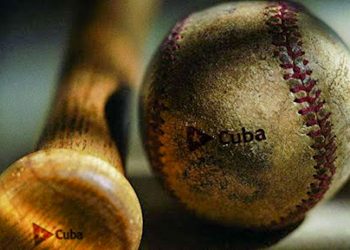
Decree 54/2021, published this Thursday in the Gaceta Oficial, describes the Country Brand as an “official sign whose ownership corresponds to the Cuban State, and is made up of a red triangle with a solitary white star in the center, followed by the word Cuba, in blue and with a capital letter.”
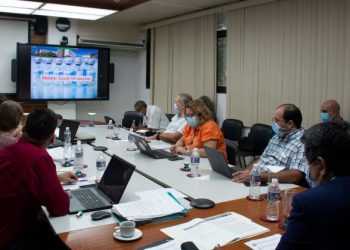
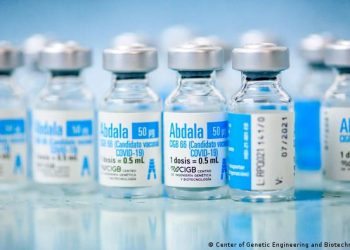
During the meeting, the first to be held with representatives of the WHO and PAHO to address the approval of the Cuban drugs, Cuban scientists presented details of the results in clinical trials of the Soberana 02, Soberana Plus and Abdala vaccines; as well as the Soberana 01 and Mambisa vaccine candidates.
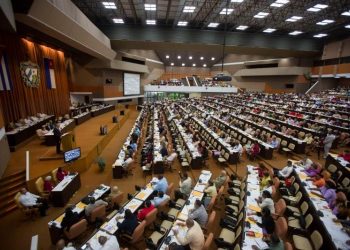
The version can be commented on by the population; it has 483 articles, transitory and final provisions and a glossary of specialized terms for better understanding by readers.
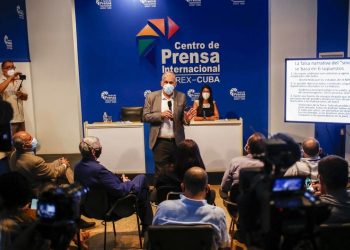
Dr. Valdés-Sosa, speaking on behalf of the group of experts, reaffirmed the ACC’s willingness to review these conclusions if new evidence emerges and requested that they be refuted in a climate of open scientific collaboration.
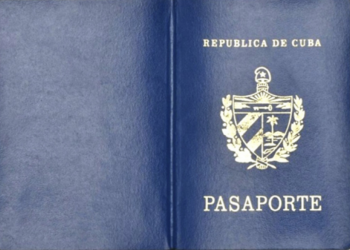
During the investigation conducted by the Department for the Fight Against Organized Crime and Interpol, 34 people of Cuban nationality implicated in the events were discovered, and 18 visas and 34 passports were seized.
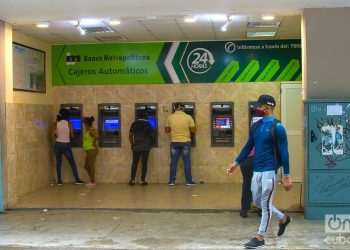
Resolution 222/2021, published this September 9 in the Gaceta Oficial, corresponds to new government measures that would allow the private sector to be given greater autonomy and boost the Cuban economy based on the relationship between the state sphere and the self-employed market.
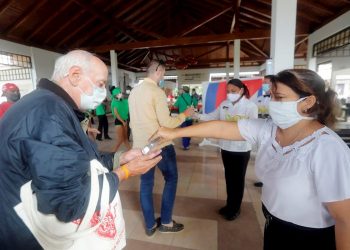
The measure is part of the protocols that will be applied with international visitors as of mid-November, when the Cuban government hopes the country will present a better epidemiological situation and a high vaccination coverage against COVID-19.
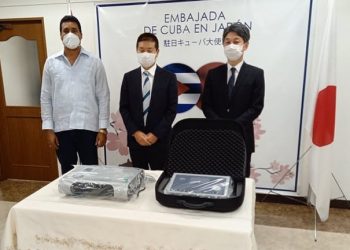
It is a technology “exclusively developed” by the Japanese company, used in professional baseball in Japan, as well as in other disciplines, in addition to being used in the Tokyo 2020 Olympic and Paralympic Games.
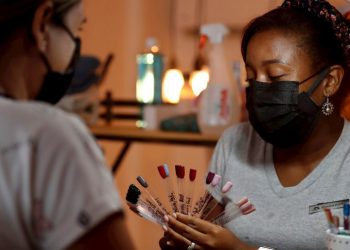
“We have survived these difficult times thanks to friends who have helped us by bringing the products; it is very difficult to bring them from abroad and there is nothing here,” one of the island’s entrepreneurs tells EFE.
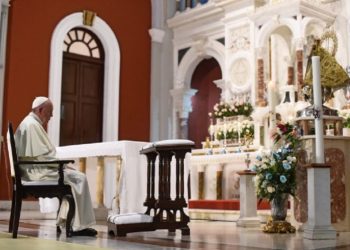
“Wherever there is a Cuban today, may he experience the tenderness of Mary, and may She lead all of them to Christ, the Savior,” said Francis on this September 8.
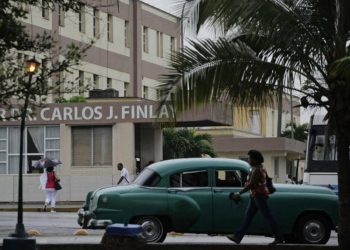
The agency will continue to redouble its actions to help the island in confronting the pandemic, as well as to favor medical care for the affected people, especially the most vulnerable.
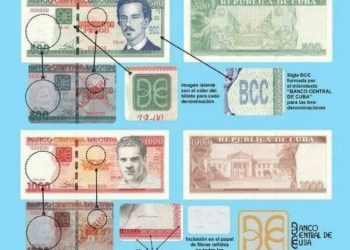
The watermark in the new banknotes of 200, 500 and 1000 Cuban pesos is replaced by the image of the martyr that is on the obverse of the banknotes, the note explains.
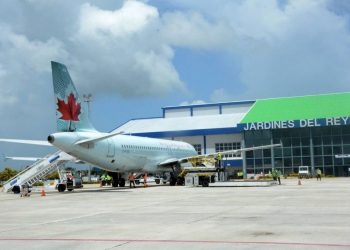
Hoping for the effectiveness of its vaccines and the projection that more than 90% of the population will complete the vaccination scheme in November, Cuba is preparing the conditions to gradually open the borders as of the 15th of that month, according to the state-run newspaper Granma. In its digital edition, the newspaper reproduced this Sunday the brief note from the Ministry of Tourism by which it notified that “hygienic-sanitary protocols will be made more flexible upon travelers’ arrival, focusing on monitoring symptomatic patients and taking temperature. In addition, diagnostic tests will be carried out randomly, a PCR test will not be required upon arrival and travelers’ vaccination certificate will be recognized.” https://twitter.com/JuannCarlosGG/status/1434849170729455635?ref_src=twsrc%5Etfw%7Ctwcamp%5Etweetembed%7Ctwterm%5E1434849170729455635%7Ctwgr%5E%7Ctwcon%5Es1_&ref_url=https%3A%2F%2Foncubanews.com%2Fcuba%2Fcuba-anuncia-que-en-noviembre-abrira-paulatinamente-sus-fronteras%2F For this reason, the opening of the domestic tourist market will begin gradually, according to each territory’s epidemiological indicators, the source said. After opening its borders last October, Cuba reduced international entry since the beginning of this year due to the outbreak of COVID-19, the worst the country has experienced since March 2020, when the first three cases of coronavirus were reported. In recent weeks, infections have remained above 7,000 and deaths over 80 a day. https://oncubanews.com/cuba/cuba-recibio-menos-de-250-000-turistas-y-viajeros-hasta-mayo/ Until last May, 88 239 foreign tourists had entered the...
The meeting, which will be virtual between specialists from Havana, Geneva and Washington, will serve to share initial information, coordinate documentation and establish schedules, according to The Associated Press.
According to CNN, Cuba did not receive an emergency use license for its COVID-19 vaccine from the WHO. BioCubaFarma affirms that the recognition process by the international entity has not started yet.
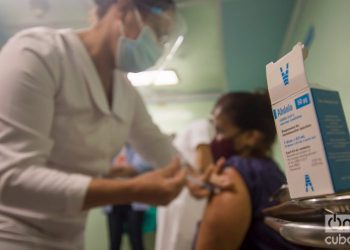
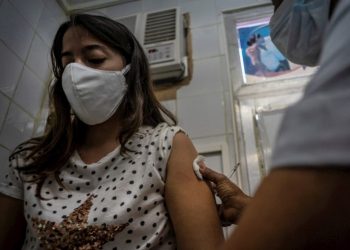
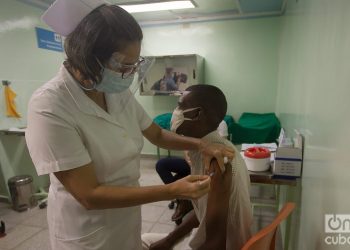
The director of Science and Innovation of the Cuban Ministry of Public Health, Ileana Morales, explained that in September “all the possible population to be vaccinated against COVID-19 will be within the immunization schemes applied by the country, at least with one dose.”
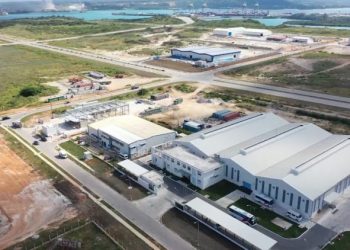
CIMAB S.A. is in charge of the development and administration of businesses through its direct participation in international alliances involving the main biotechnological products of the Center for Molecular Immunology.
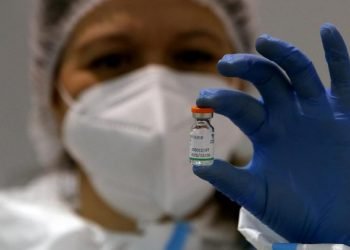
This Sunday the vaccination process against COVID-19 began in the Cuban province of Cienfuegos. The fact would not be a novelty in Cuba — which already has three of its own immunogens approved by the island’s regulatory authority — were it not for a detail: Cienfuegos will be immunized with a scheme that contains a Chinese vaccine. The news that the island would use the Chinese Sinopharm vaccine has raised many questions. What is its cause? Why use a foreign vaccine whose efficacy is lower than that shown in clinical trials by those created on the island? Why use it now and not before? These questions arise, in part, from the statements of authorities and specialists disclosed so far in the official Cuban media, according to which the island would become the first country in the world to immunize its entire population with its own vaccines and promised to produce 100 million doses to achieve it. The official propaganda even recycled the slogan of the failed 1970 sugar harvest, the so-called “10-million-ton harvest,” which at the time generated criticism and controversy. Nothing indicated that there would be a change in plans, even due to the fact that the Cuban authorities...
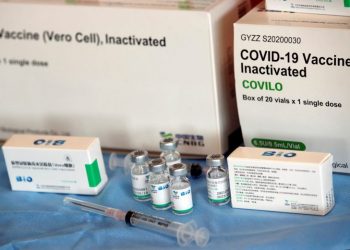
This will be the first foreign-manufactured vaccine to be applied on the island, which has three of its own immunogens already approved for emergency use.
Through his Twitter account, the head of the WHO thanked the island’s permanent representative in Geneva, Juan Antonio Quintanilla, and pointed out that the international entity supports Cuba's struggle against COVID-19, “even investing in the capacity of locally manufacturing of vaccines and prioritizing public health measures to contain the transmission” of the virus.
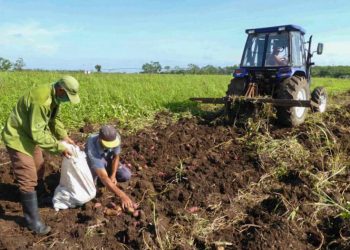
The beneficiaries must comply with performance parameters, application of science and technology, have irrigation systems and have the industry and agricultural markets as the destination of their crops, while the availability of food and water will be essential for cattle farmers.
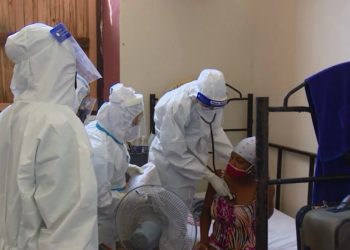
“This model reiterates that we are in a peak zone of confirmed cases and in the coming weeks the number of confirmed and deceased will continue to be very high,” said the dean of the Faculty of Mathematics and Computing of the University of Havana.